THE ADVENTURE COLLECTIVE® · Independent discovery and booking for outdoor travel

Walk Europe’s longest gorge from the Omalos plateau to Agia Roumeli and finish with a coastal ferry—this full-day private transfer option removes the logistics so you can focus on the trail, views, and a swim at the southern edge of Crete.
Walk Europe’s longest gorge from the Omalos plateau to Agia Roumeli and finish with a coastal ferry—this full-day private transfer option removes the logistics so you can focus on the trail, views, and a swim at the southern edge of Crete.
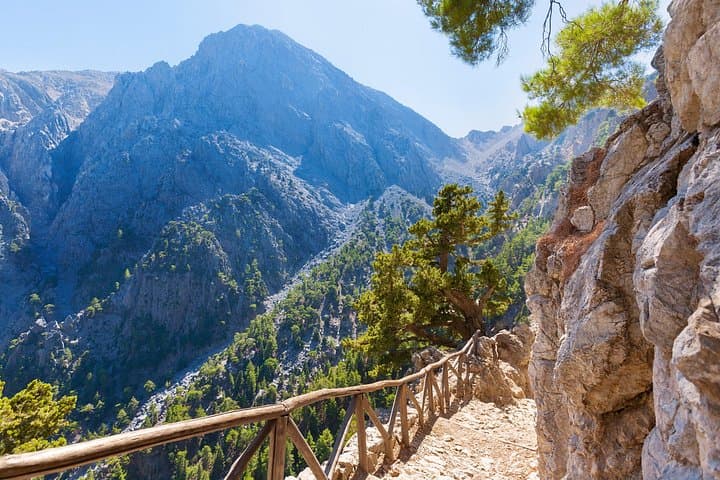
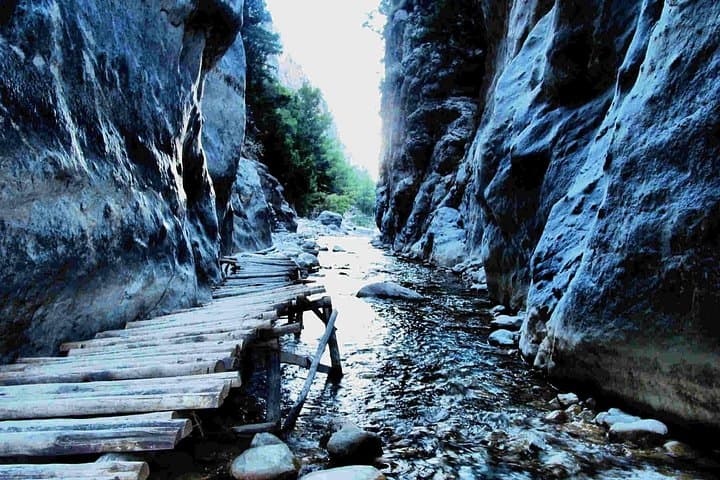
You step onto Omalos plateau before dawn and the air is cool, the limestone rim catching first light as the trail drops away. The gorge opens like a throat between mountains—walls squeezing to the famous Iron Gates, where the canyon narrows to a few metres and the river dares you onward. For a day you trade village rooftops for rock and water; the gorge moves around you, carving shadows and offering sudden coastal glimpses by the time you reach Agia Roumeli.
Verified experiences and guided adventures in the surrounding area.
Operated by Heliophilia | Back to Nature · Chania, Crete
You step onto Omalos plateau before dawn and the air is cool, the limestone rim catching first light as the trail drops away. The gorge opens like a throat between mountains—walls squeezing to the famous Iron Gates, where the canyon narrows to a few metres and the river dares you onward. For a day you trade village rooftops for rock and water; the gorge moves around you, carving shadows and offering sudden coastal glimpses by the time you reach Agia Roumeli.
Samaria is Europe’s longest gorge, roughly 16 km of trail with about 1,200 m of elevation loss if you start at Xyloskalo on the Omalos plateau. Geology here is rugged limestone and schist, cut over millennia by seasonal streams; ancient shepherd paths and the ruins of a once-inhabited gorge village whisper of human history amid the stone. The route became a protected national park in the 1960s, conserving rare Cretan flora while keeping the valley’s wild character.
Practicalities shape the day: the trail alternates rocky scree, packed dirt and occasional paved stretches; expect narrow footbridges and sections of loose rock. There’s no road out at the southern end—Agia Roumeli is reachable only by foot or sea—so logistics matter: ferry timetables, water resupply, and a reliable pickup from Chania to Xyloskalo. Plan for 4–7 hours on trail depending on pace, bring sturdy boots, layered clothing, at least 2–3 litres of water, and check the ferry schedule before you go. When you emerge, the Libyan Sea will greet you—salt on the air and a well-earned swim awaiting the tired and triumphant alike.
The gorge trail is about 16 km from Xyloskalo to Agia Roumeli; most hikers take 4–7 hours depending on fitness and stops.
The path is well-marked and commonly trodden; no technical climbing skills are required but the terrain can be uneven and steep in places.
Yes—Agia Roumeli has a pebble beach and clear water ideal for a post-hike swim; bring a towel and dry clothes.
Private transfers to the gorge entrance and a ferry connection at Agia Roumeli are typically arranged by the operator, but confirm times and included segments when booking.
Heliophilia | Back to Nature operates guided outdoor trips and adventures with an emphasis on safety, stewardship, and memorable experiences.

You step onto Omalos plateau before dawn and the air is cool, the limestone rim catching first light as the trail drops away. The gorge opens like a throat between mountains—walls squeezing to the famous Iron Gates, where the canyon narrows to a few metres and the river dares you onward. For a day you trade village rooftops for rock and water; the gorge moves around you, carving shadows and offering sudden coastal glimpses by the time you reach Agia Roumeli.
You step onto Omalos plateau before dawn and the air is cool, the limestone rim catching first light as the trail drops away. The gorge opens like a throat between mountains—walls squeezing to the famous Iron Gates, where the canyon narrows to a few metres and the river dares you onward. For a day you trade village rooftops for rock and water; the gorge moves around you, carving shadows and offering sudden coastal glimpses by the time you reach Agia Roumeli.
Samaria is Europe’s longest gorge, roughly 16 km of trail with about 1,200 m of elevation loss if you start at Xyloskalo on the Omalos plateau. Geology here is rugged limestone and schist, cut over millennia by seasonal streams; ancient shepherd paths and the ruins of a once-inhabited gorge village whisper of human history amid the stone. The route became a protected national park in the 1960s, conserving rare Cretan flora while keeping the valley’s wild character.
Practicalities shape the day: the trail alternates rocky scree, packed dirt and occasional paved stretches; expect narrow footbridges and sections of loose rock. There’s no road out at the southern end—Agia Roumeli is reachable only by foot or sea—so logistics matter: ferry timetables, water resupply, and a reliable pickup from Chania to Xyloskalo. Plan for 4–7 hours on trail depending on pace, bring sturdy boots, layered clothing, at least 2–3 litres of water, and check the ferry schedule before you go. When you emerge, the Libyan Sea will greet you—salt on the air and a well-earned swim awaiting the tired and triumphant alike.