THE ADVENTURE COLLECTIVE® · Independent discovery and booking for outdoor travel
Climb Rio’s iconic Sugarloaf Mountain under the guidance of experienced instructors. This Atlantic Forest hike includes a beginner‑friendly rock scramble to a 396 m summit and a cable‑car descent — great for active travelers who want more than a typical sightseeing ride.
Climb Rio’s iconic Sugarloaf Mountain under the guidance of experienced instructors. This Atlantic Forest hike includes a beginner‑friendly rock scramble to a 396 m summit and a cable‑car descent — great for active travelers who want more than a typical sightseeing ride.
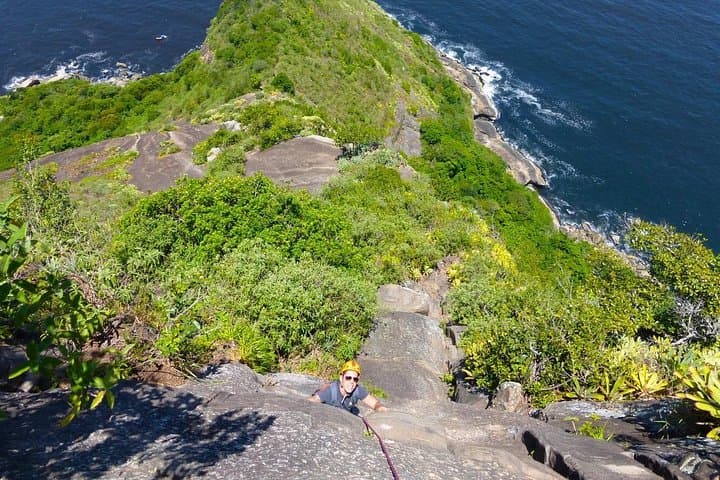
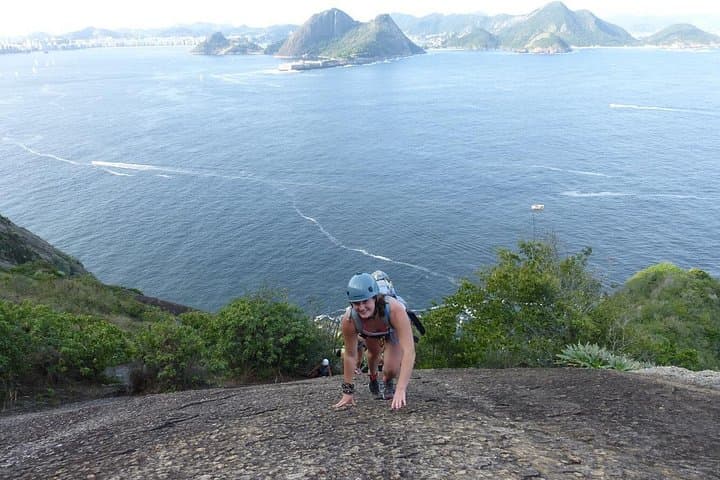
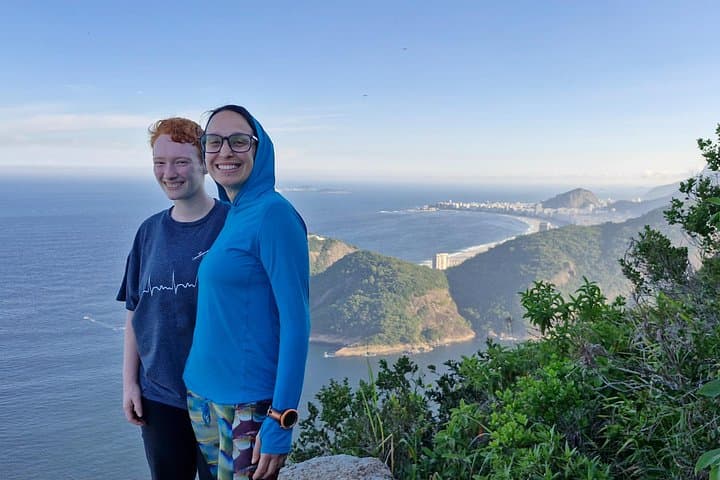
You step onto a shaded path where the Atlantic Forest presses close and the granite face of Pão de Açúcar rises like a raw wall above the bay. Salt air and bird calls mix with the scrape of boots as a guide points out a narrow scramble that leads toward the 396‑meter summit. The climb is part walking trail, part hands‑on rock scramble — honest, physical, and rewarded by a 360‑degree panorama of Guanabara Bay, Copacabana and Corcovado.
Verified experiences and guided adventures in the surrounding area.
Operated by Rio Natural Ecotourism · Rio de Janeiro, Rio de Janeiro
You step onto a shaded path where the Atlantic Forest presses close and the granite face of Pão de Açúcar rises like a raw wall above the bay. Salt air and bird calls mix with the scrape of boots as a guide points out a narrow scramble that leads toward the 396‑meter summit. The climb is part walking trail, part hands‑on rock scramble — honest, physical, and rewarded by a 360‑degree panorama of Guanabara Bay, Copacabana and Corcovado.
Sugarloaf’s granite towers were shaped over deep geologic time and became an unmistakable navigational landmark for sailors. The area’s human story includes early maritime trade, the development of the cable car (a Rio attraction for more than a century), and neighborhoods whose culture is inseparable from the shoreline. Along the Claudio Coutinho Trail and Morro da Urca approaches you’ll move through patches of urban forest where marmosets and tropical songbirds appear in the canopy.
Practically: expect steep steps, exposed slabs and short rope or hand‑over‑hand sections suitable for beginners who are fit and confident with scrambling. Guides supply helmets and basic climbing gear; the route finishes with a cable car descent to Morro da Urca included in the tour price.
Plan for sun, sudden rain in summer, and slippery rock after downpours. Bring 1.5–2 L of water, sturdy shoes with good traction, sunscreen and a light rain shell. Start early to avoid crowds and midday heat; move deliberately on exposed sections and follow your guide’s instructions for anchors and belays.
Yes — the standard tour climbs to the summit by foot and includes the famous cable car descent to Morro da Urca as part of the experience.
The route mixes trail walking with short, beginner‑friendly rock scrambles; guides rate it as physically demanding and recommend good fitness and steady footing.
The meeting point is in front of the Santander Bank, a two‑minute walk from the Sugarloaf cable car station, near the Círculo Militar restaurant.
Yes — accredited climbing guides and basic climbing equipment (helmets and harnesses as needed) are provided by the operator.
Rio Natural Ecotourism operates guided outdoor trips and adventures with an emphasis on safety, stewardship, and memorable experiences.
You step onto a shaded path where the Atlantic Forest presses close and the granite face of Pão de Açúcar rises like a raw wall above the bay. Salt air and bird calls mix with the scrape of boots as a guide points out a narrow scramble that leads toward the 396‑meter summit. The climb is part walking trail, part hands‑on rock scramble — honest, physical, and rewarded by a 360‑degree panorama of Guanabara Bay, Copacabana and Corcovado.
You step onto a shaded path where the Atlantic Forest presses close and the granite face of Pão de Açúcar rises like a raw wall above the bay. Salt air and bird calls mix with the scrape of boots as a guide points out a narrow scramble that leads toward the 396‑meter summit. The climb is part walking trail, part hands‑on rock scramble — honest, physical, and rewarded by a 360‑degree panorama of Guanabara Bay, Copacabana and Corcovado.
Sugarloaf’s granite towers were shaped over deep geologic time and became an unmistakable navigational landmark for sailors. The area’s human story includes early maritime trade, the development of the cable car (a Rio attraction for more than a century), and neighborhoods whose culture is inseparable from the shoreline. Along the Claudio Coutinho Trail and Morro da Urca approaches you’ll move through patches of urban forest where marmosets and tropical songbirds appear in the canopy.
Practically: expect steep steps, exposed slabs and short rope or hand‑over‑hand sections suitable for beginners who are fit and confident with scrambling. Guides supply helmets and basic climbing gear; the route finishes with a cable car descent to Morro da Urca included in the tour price.
Plan for sun, sudden rain in summer, and slippery rock after downpours. Bring 1.5–2 L of water, sturdy shoes with good traction, sunscreen and a light rain shell. Start early to avoid crowds and midday heat; move deliberately on exposed sections and follow your guide’s instructions for anchors and belays.
