THE ADVENTURE COLLECTIVE® · Independent discovery and booking for outdoor travel

Set out from Cusco before dawn to a 5-hour, high-altitude trek across the Vilcanota range to seven glacial lakes, followed by restorative hot springs in Pacchanta. This daytrip mixes striking alpine scenery, local culture, and a manageable 8 km hike at 4,200 m.
Set out from Cusco before dawn to a 5-hour, high-altitude trek across the Vilcanota range to seven glacial lakes, followed by restorative hot springs in Pacchanta. This daytrip mixes striking alpine scenery, local culture, and a manageable 8 km hike at 4,200 m.
Dawn pulls the van out of Cusco before the city stirs; by the time the sun hits the high ridges you’re already breathing thin, cold air in Pacchanta at 4,200 m. The first steps leave prints on gravel and cushiony puna grass as the Vilcanota range reveals a string of glacial tarns—seven lakes that change color with the light and the wind. Alpacas graze on slopes while vizcachas slip among boulders; the mountain seems to watch, its icefields pressing the skyline.
Verified experiences and guided adventures in the surrounding area.
Operated by Rap Travel Peru · Pacchanta, Cusco Region
Dawn pulls the van out of Cusco before the city stirs; by the time the sun hits the high ridges you’re already breathing thin, cold air in Pacchanta at 4,200 m. The first steps leave prints on gravel and cushiony puna grass as the Vilcanota range reveals a string of glacial tarns—seven lakes that change color with the light and the wind. Alpacas graze on slopes while vizcachas slip among boulders; the mountain seems to watch, its icefields pressing the skyline.
Geology here is raw: glacial carving and moraine deposits created stepped basins that hold each lagoon. Ausangate is one of the region’s apus—an Andean mountain with cultural significance—and local communities historically move herds across these altiplanos. The trail threads through high-alpine vegetation and occasional pre-Inca terraces, offering short cultural pauses as much as landscape views.
Practically, the trek is about 8 km round-trip and roughly 5 hours of walking at altitude. Expect rocky, uneven footing, short steeper pitches and open exposure to sun and wind. Guides will set a steady, measured pace; acclimatization in Cusco (or a night at intermediate altitude) materially improves comfort. Bring layered clothing for sudden temperature swings, sun protection, a 2–3 liter water plan, and snacks for steady energy. The outing finishes back in Pacchanta with a soak in natural hot springs and a traditional lunch—an effective way to reward tired legs and rewarm lungs before the drive back to Cusco. This daytrip combines technical simplicity with altitude demands: it’s a high-country character test more than a technical climb, and it rewards hikers with some of the Andes’ clearest, most intimate lake views.
The route is non-technical but strenuous due to altitude; the 8 km round-trip and 5 hours on trail feel harder than similar lowland hikes—allow time to acclimatize and expect slower pace.
Yes — the itinerary includes time to relax in Pacchanta’s hot springs after the trek, followed by a traditional lunch.
You’ll commonly spot alpacas and possibly vizcachas; larger or rarer animals are uncommon during a day visit but birdlife is present.
Stop exertion, descend if symptoms worsen, hydrate, rest, and inform your guide; mild symptoms often improve with rest, but persistent or severe signs require immediate descent and medical attention.
Rap Travel Peru operates guided outdoor trips and adventures with an emphasis on safety, stewardship, and memorable experiences.
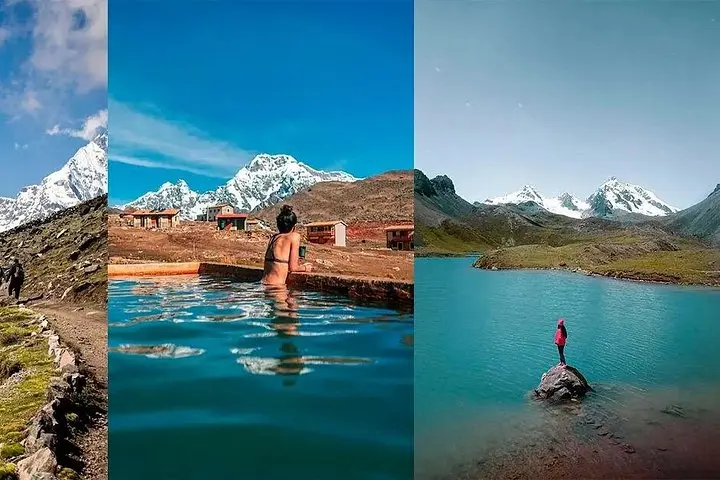
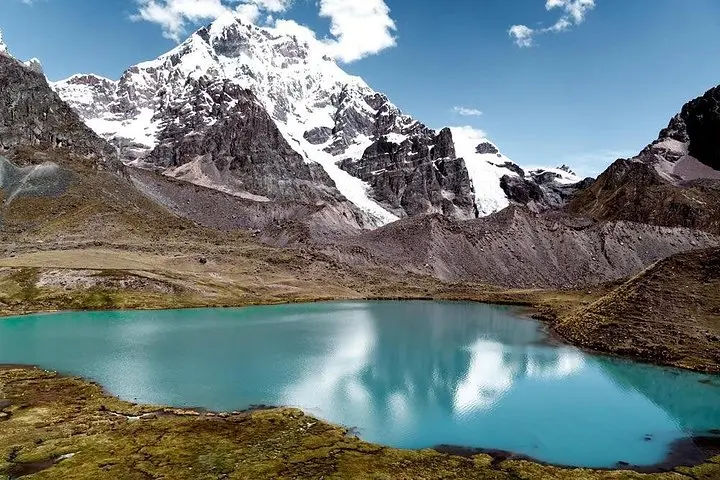
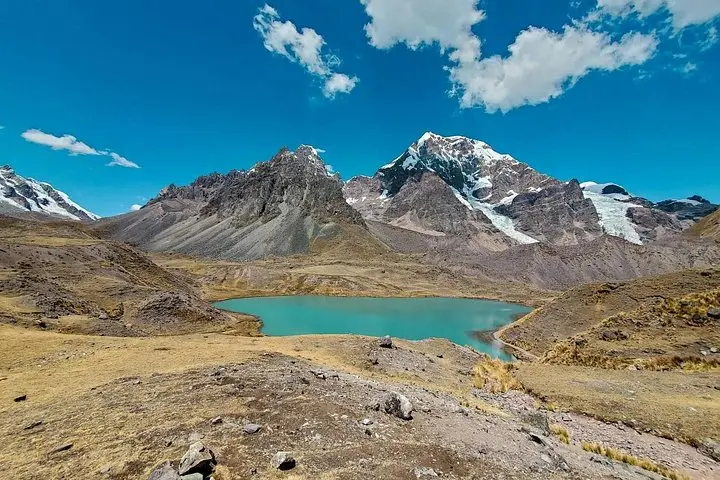
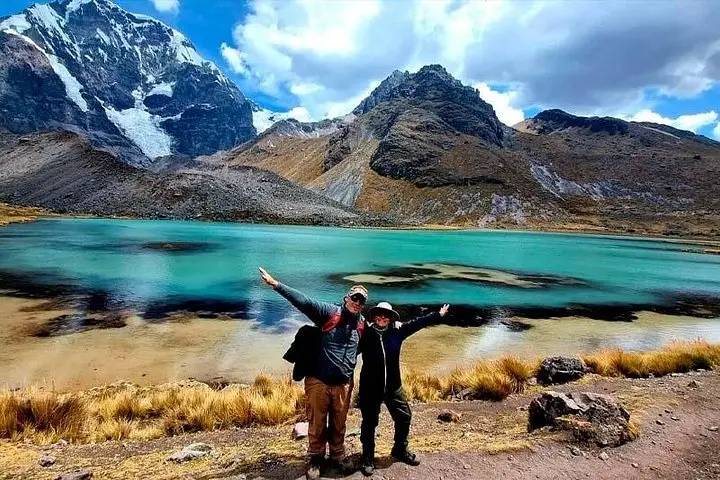
Dawn pulls the van out of Cusco before the city stirs; by the time the sun hits the high ridges you’re already breathing thin, cold air in Pacchanta at 4,200 m. The first steps leave prints on gravel and cushiony puna grass as the Vilcanota range reveals a string of glacial tarns—seven lakes that change color with the light and the wind. Alpacas graze on slopes while vizcachas slip among boulders; the mountain seems to watch, its icefields pressing the skyline.
Dawn pulls the van out of Cusco before the city stirs; by the time the sun hits the high ridges you’re already breathing thin, cold air in Pacchanta at 4,200 m. The first steps leave prints on gravel and cushiony puna grass as the Vilcanota range reveals a string of glacial tarns—seven lakes that change color with the light and the wind. Alpacas graze on slopes while vizcachas slip among boulders; the mountain seems to watch, its icefields pressing the skyline.
Geology here is raw: glacial carving and moraine deposits created stepped basins that hold each lagoon. Ausangate is one of the region’s apus—an Andean mountain with cultural significance—and local communities historically move herds across these altiplanos. The trail threads through high-alpine vegetation and occasional pre-Inca terraces, offering short cultural pauses as much as landscape views.
Practically, the trek is about 8 km round-trip and roughly 5 hours of walking at altitude. Expect rocky, uneven footing, short steeper pitches and open exposure to sun and wind. Guides will set a steady, measured pace; acclimatization in Cusco (or a night at intermediate altitude) materially improves comfort. Bring layered clothing for sudden temperature swings, sun protection, a 2–3 liter water plan, and snacks for steady energy. The outing finishes back in Pacchanta with a soak in natural hot springs and a traditional lunch—an effective way to reward tired legs and rewarm lungs before the drive back to Cusco. This daytrip combines technical simplicity with altitude demands: it’s a high-country character test more than a technical climb, and it rewards hikers with some of the Andes’ clearest, most intimate lake views.