THE ADVENTURE COLLECTIVE® · Independent discovery and booking for outdoor travel

A full‑day high‑altitude trek from Cusco that links seven mineral-rich lagoons to Pacchanta hot springs. Expect intense colors, glacial views and a 12‑hour round trip with significant elevation.
A full‑day high‑altitude trek from Cusco that links seven mineral-rich lagoons to Pacchanta hot springs. Expect intense colors, glacial views and a 12‑hour round trip with significant elevation.
Dawn in Cusco is thin and sharp; your minivan slips east across puna plains as the Andes grow teeth—jagged ridgelines of rock and glacier rising toward Ausangate. By the time you step out at the Pacchanta community the air tastes like metal and cold; lagoons blink in turquoise and deep blue between moraine and snow. The trail threads across high grass and hard-packed stone, each pool reflecting different moods of the mountain that Andean communities call sacred.
Verified experiences and guided adventures in the surrounding area.
Operated by Tour Machu picchu best · Pacchanta, Cusco
Dawn in Cusco is thin and sharp; your minivan slips east across puna plains as the Andes grow teeth—jagged ridgelines of rock and glacier rising toward Ausangate. By the time you step out at the Pacchanta community the air tastes like metal and cold; lagoons blink in turquoise and deep blue between moraine and snow. The trail threads across high grass and hard-packed stone, each pool reflecting different moods of the mountain that Andean communities call sacred.
Ausangate is a glaciated massif in the Cusco region—one of the high peaks of the Vilcanota range—shaped by glacial carving and seasonal melt that feeds the shallow, mineral-rich lagoons. For centuries nearby Quechua and Aymara families have revered the mountain; you’ll notice small offerings and carved stones marking the landscape. Geologically, the contrast of red and green mineral bands around the lakes comes from iron and copper deposits plus suspended glacial silt.
Expect 12 hours door-to-door: a 3‑hour drive each way from Cusco and roughly 6–8 km of hiking spread over 2–4 hours on trails that are rocky, occasionally muddy, and sometimes dusted with snow. Altitudes sit between ~4,200–4,700 m so pace yourself; the payoff is panoramic peaks, intimate lagoon colors and a late soak in Pacchanta hot springs.
Practical notes: acclimatize in Cusco for 24–48 hours, layer for sudden sun-to-snow swings, bring water and snacks, and use trekking poles on uneven sections. Guides handle logistics and local permits—arrive prepared and leave the fragile high‑altitude wetlands as you found them.
The guided itinerary includes roughly 6–8 km of walking over 2–4 hours total on site, with additional time for stops and photos.
Yes—most day tours include free time at Pacchanta hot springs after the hike, often following lunch.
Possible—trail altitudes are typically 4,200–4,700 m. Symptoms vary; acclimatize, stay hydrated, move slowly and notify guides if you feel unwell.
No technical skills are required, but a moderate fitness level and some prior hiking experience at elevation are recommended.
Tour Machu picchu best operates guided outdoor trips and adventures with an emphasis on safety, stewardship, and memorable experiences.
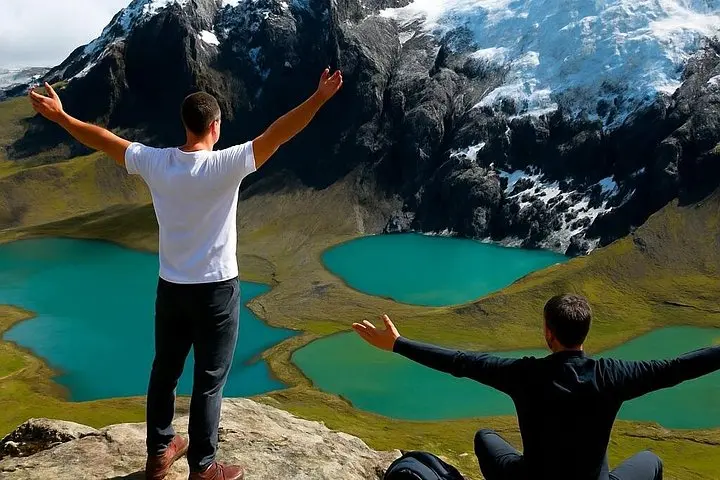
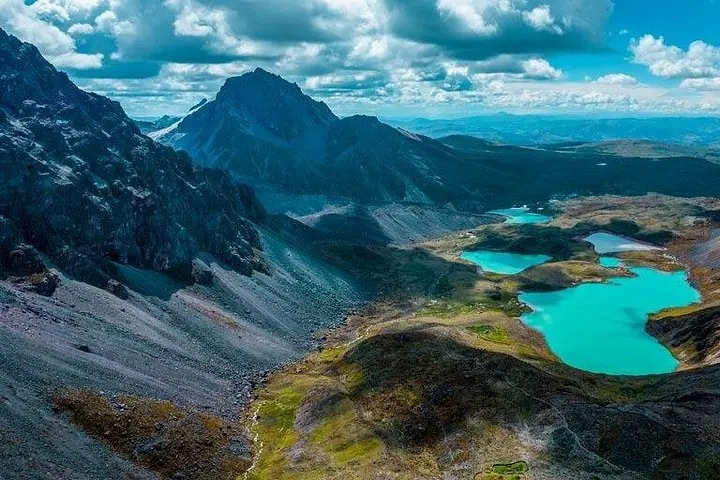
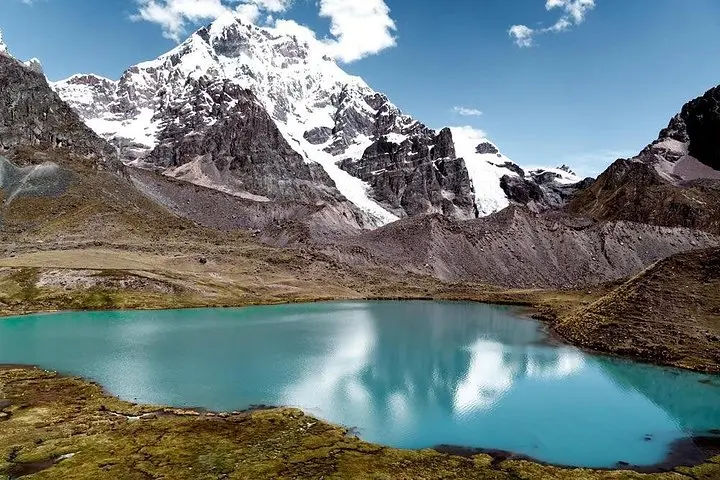
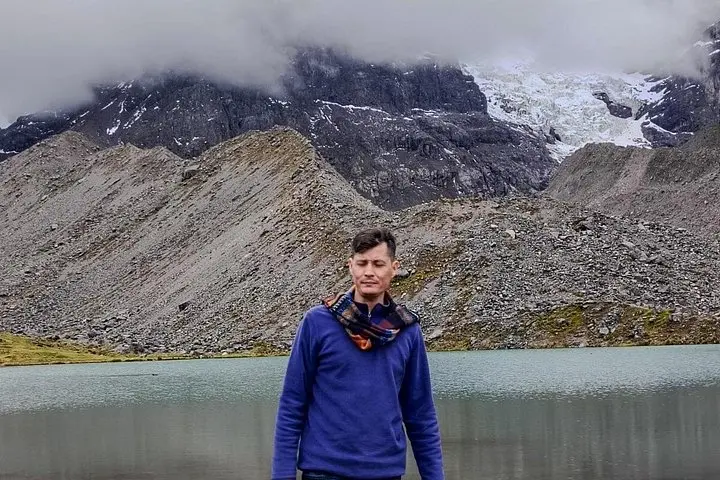
Dawn in Cusco is thin and sharp; your minivan slips east across puna plains as the Andes grow teeth—jagged ridgelines of rock and glacier rising toward Ausangate. By the time you step out at the Pacchanta community the air tastes like metal and cold; lagoons blink in turquoise and deep blue between moraine and snow. The trail threads across high grass and hard-packed stone, each pool reflecting different moods of the mountain that Andean communities call sacred.
Dawn in Cusco is thin and sharp; your minivan slips east across puna plains as the Andes grow teeth—jagged ridgelines of rock and glacier rising toward Ausangate. By the time you step out at the Pacchanta community the air tastes like metal and cold; lagoons blink in turquoise and deep blue between moraine and snow. The trail threads across high grass and hard-packed stone, each pool reflecting different moods of the mountain that Andean communities call sacred.
Ausangate is a glaciated massif in the Cusco region—one of the high peaks of the Vilcanota range—shaped by glacial carving and seasonal melt that feeds the shallow, mineral-rich lagoons. For centuries nearby Quechua and Aymara families have revered the mountain; you’ll notice small offerings and carved stones marking the landscape. Geologically, the contrast of red and green mineral bands around the lakes comes from iron and copper deposits plus suspended glacial silt.
Expect 12 hours door-to-door: a 3‑hour drive each way from Cusco and roughly 6–8 km of hiking spread over 2–4 hours on trails that are rocky, occasionally muddy, and sometimes dusted with snow. Altitudes sit between ~4,200–4,700 m so pace yourself; the payoff is panoramic peaks, intimate lagoon colors and a late soak in Pacchanta hot springs.
Practical notes: acclimatize in Cusco for 24–48 hours, layer for sudden sun-to-snow swings, bring water and snacks, and use trekking poles on uneven sections. Guides handle logistics and local permits—arrive prepared and leave the fragile high‑altitude wetlands as you found them.