THE ADVENTURE COLLECTIVE® · Independent discovery and booking for outdoor travel

Spend a long day walking 6 km of Jinshanling’s wild wall where restored and ruined sections alternate. This less-crowded stretch offers steep stone steps, panoramic watchtowers, and straightforward logistics for a day trip from Beijing.
Spend a long day walking 6 km of Jinshanling’s wild wall where restored and ruined sections alternate. This less-crowded stretch offers steep stone steps, panoramic watchtowers, and straightforward logistics for a day trip from Beijing.
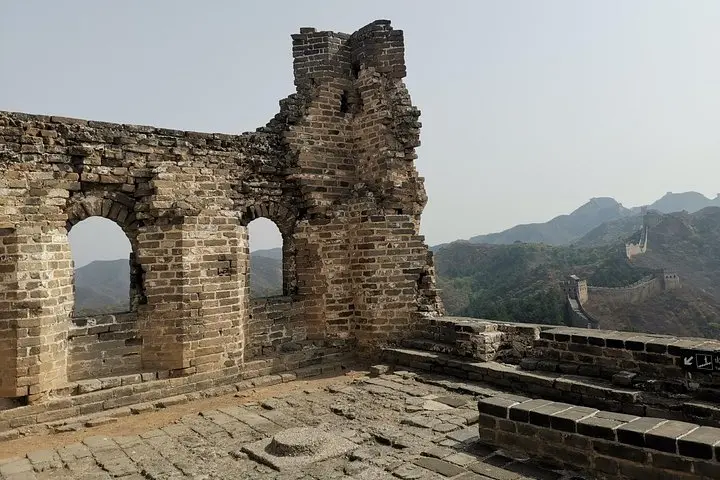
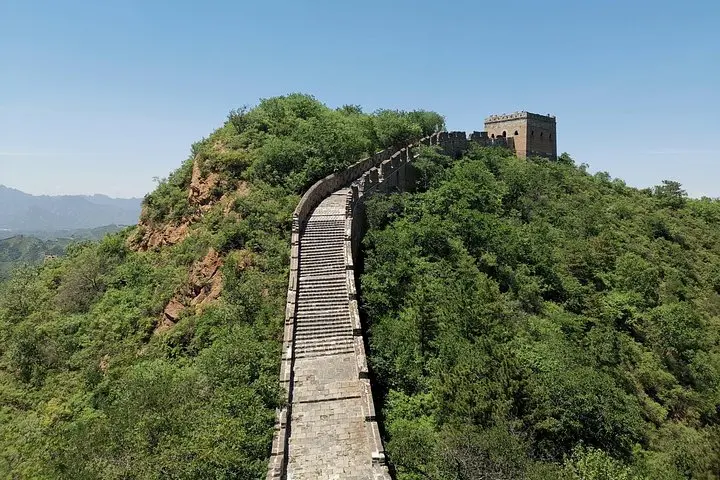
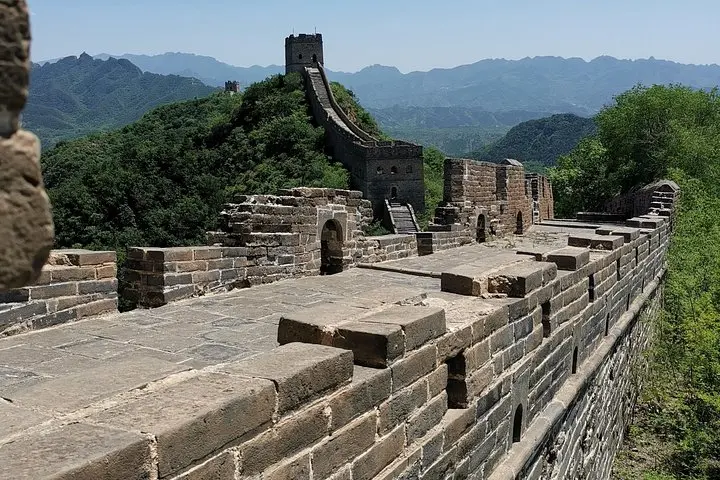
You crest a crumbling tower and the wall stretches away like an old spine, weathered stones rising and dipping over ridge after ridge. Cold wind threads through the crenellations and seems to nudge you forward; below, terraced fields and distant villages compress into a map.
Verified experiences and guided adventures in the surrounding area.
Operated by [email protected] · Luanping, Hebei
You crest a crumbling tower and the wall stretches away like an old spine, weathered stones rising and dipping over ridge after ridge. Cold wind threads through the crenellations and seems to nudge you forward; below, terraced fields and distant villages compress into a map.
Jinshanling sits on the boundary of Beijing municipality and Hebei province and was strengthened during the Ming dynasty as a strategic line between Beijing and the northeastern approaches. Geologically, the wall here follows ridgelines of rugged quartz and granite outcrops, creating steep stone steps and irregular walking surfaces—sections alternate between well-restored ramps and wild, broken battlements that give the route its “wild wall” character.
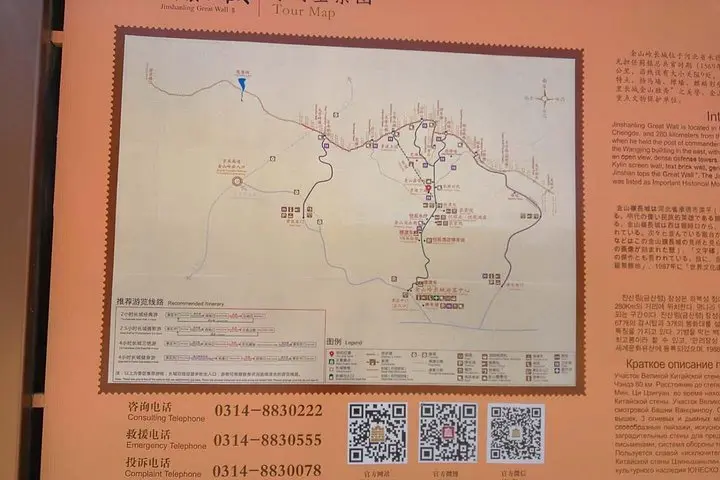
Local farmers and small vendors are part of the cultural landscape; they may offer tea or carved souvenirs near towers. From April to October you can walk a roughly 6 km one-way route (Brick Crenel/Shalingkou to East Five Window and East Gate). From November to March you must enter and exit from the same middle gate.
Practical guidance: expect an 8–9 hour day including a ~2-hour drive from Beijing (about 136 km). Wear sturdy hiking shoes; bring 1–2 liters of water, high-energy lunch, sunscreen, and a compact toilet kit—there are no toilets on the wall. Carry your passport for entrance. Pace yourself on the uneven stone steps; use trekking poles if you rely on knee support. Be prepared to politely but firmly decline persistent vendors. The route rewards steady effort with panoramic watchtowers and long, solitary stretches where the wind and stone do the talking.
About 6 km on the wall with additional walking to/from parking; sections include steep stone steps and uneven terrain—rated moderate overall.
Main gate entrance ticket and shuttle bus ticket are included; round-trip transfer from the meeting point is provided in an air-conditioned car.
No—there are no toilets along the wall route, so use facilities before starting and carry toilet paper and hand sanitizer.
Yes, local farmers and vendors may follow hikers to sell souvenirs or tea; be prepared to decline firmly if you don’t want to buy.
[email protected] operates guided outdoor trips and adventures with an emphasis on safety, stewardship, and memorable experiences.
You crest a crumbling tower and the wall stretches away like an old spine, weathered stones rising and dipping over ridge after ridge. Cold wind threads through the crenellations and seems to nudge you forward; below, terraced fields and distant villages compress into a map.
You crest a crumbling tower and the wall stretches away like an old spine, weathered stones rising and dipping over ridge after ridge. Cold wind threads through the crenellations and seems to nudge you forward; below, terraced fields and distant villages compress into a map.
Jinshanling sits on the boundary of Beijing municipality and Hebei province and was strengthened during the Ming dynasty as a strategic line between Beijing and the northeastern approaches. Geologically, the wall here follows ridgelines of rugged quartz and granite outcrops, creating steep stone steps and irregular walking surfaces—sections alternate between well-restored ramps and wild, broken battlements that give the route its “wild wall” character.
Local farmers and small vendors are part of the cultural landscape; they may offer tea or carved souvenirs near towers. From April to October you can walk a roughly 6 km one-way route (Brick Crenel/Shalingkou to East Five Window and East Gate). From November to March you must enter and exit from the same middle gate.
Practical guidance: expect an 8–9 hour day including a ~2-hour drive from Beijing (about 136 km). Wear sturdy hiking shoes; bring 1–2 liters of water, high-energy lunch, sunscreen, and a compact toilet kit—there are no toilets on the wall. Carry your passport for entrance. Pace yourself on the uneven stone steps; use trekking poles if you rely on knee support. Be prepared to politely but firmly decline persistent vendors. The route rewards steady effort with panoramic watchtowers and long, solitary stretches where the wind and stone do the talking.