THE ADVENTURE COLLECTIVE® · Independent discovery and booking for outdoor travel

A compact alpine day-hike to one of the Tian Shan’s most photographed basins. Expect a 10 km round trip, 600–800 m of gain and vivid turquoise water framed by rugged ridgelines—perfect for active travelers with basic high-altitude experience.
A compact alpine day-hike to one of the Tian Shan’s most photographed basins. Expect a 10 km round trip, 600–800 m of gain and vivid turquoise water framed by rugged ridgelines—perfect for active travelers with basic high-altitude experience.
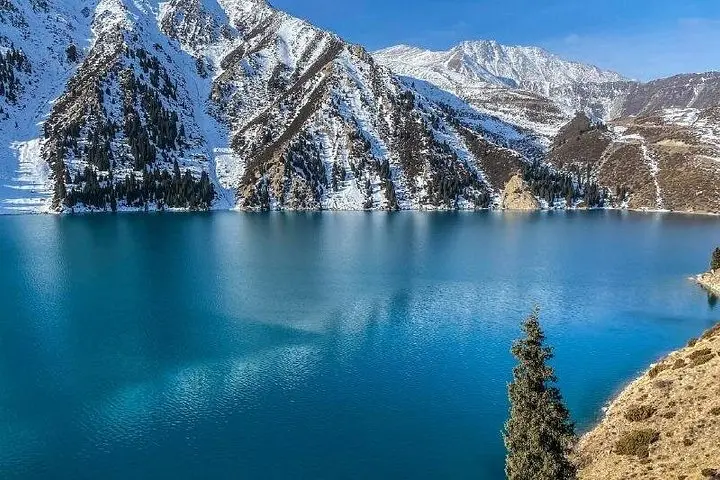
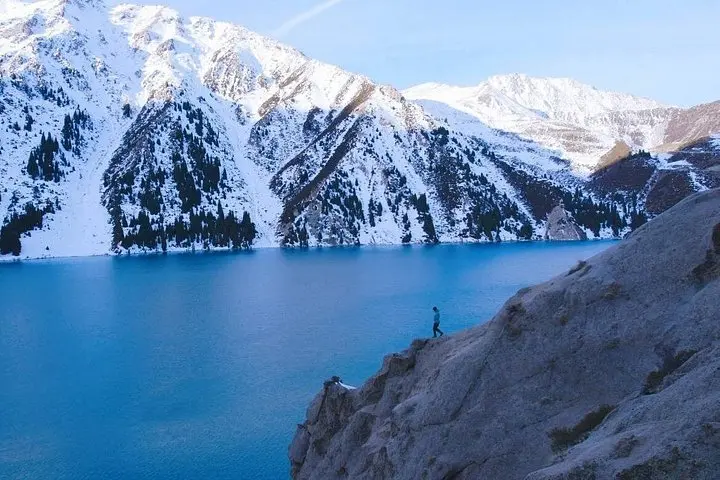
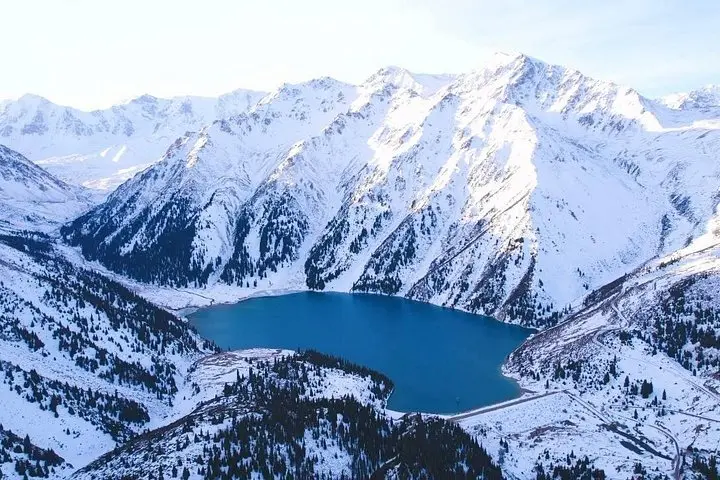
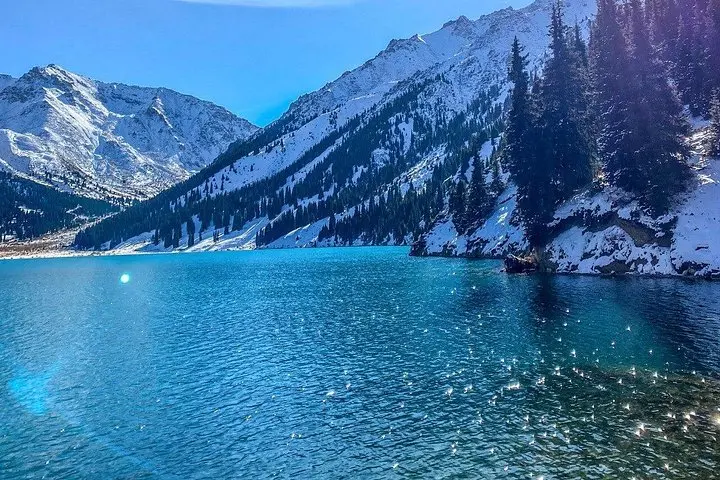
A thin ribbon of road gives way to a rough trail and then to silence—the kind of high-altitude quiet that makes each breath feel like an arrival. At roughly 2,800 meters Big Almaty Lake sits in a rocky cirque, its waters a cool turquoise that seems to push back the skyline. Pine stands and alpine meadows frame the approach; crested ridgelines watch like patient guides as the trail climbs.
Verified experiences and guided adventures in the surrounding area.
Operated by Kazakhstan Very Nice · Almaty, Almaty Region
A thin ribbon of road gives way to a rough trail and then to silence—the kind of high-altitude quiet that makes each breath feel like an arrival. At roughly 2,800 meters Big Almaty Lake sits in a rocky cirque, its waters a cool turquoise that seems to push back the skyline. Pine stands and alpine meadows frame the approach; crested ridgelines watch like patient guides as the trail climbs.
The lake occupies a glacially carved basin in the Zailiyskiy Alatau, part of the larger Tian Shan system. Soviet-era engineers eyed this water source for Almaty, and today the area sits inside Ile-Alatau National Park, blending local Kazakh mountain culture with practical conservation measures. Geologically the basin is a remnant of glacial sculpting—rocky moraines and steep headwalls give way to gentler meadows lower down.
Expect a steady climb: ~10 km round trip with 600–800 m of ascent, typically completed in 6–7 hours on mixed dirt, scree and forested sections. Start early to avoid midday crowds and weather changes; the light on the lake is best mid-morning. Hydrate well and watch for shortness of breath—altitude is the real variable here. Leave no trace: keep to the trail, carry out packaging, and respect the park’s rules. For photographers and hikers who want a concentrated taste of the Tian Shan, this route delivers clear views, crisp air, and a compact, achievable alpine day trek.
The guided route is roughly 10 km round trip with 600–800 m of elevation gain; plan 6–7 hours including stops.
Beginners with decent fitness can do it, but expect steady uphill and some loose rock—guide support and moderate conditioning are recommended.
Entrance fees to Ile-Alatau National Park typically apply and are included with many guided tours; check with your operator for current fees.
Even in summer, temperatures can be cool with strong sun and sudden wind or storms—layering and a windproof jacket are advised.
Kazakhstan Very Nice operates guided outdoor trips and adventures with an emphasis on safety, stewardship, and memorable experiences.
A thin ribbon of road gives way to a rough trail and then to silence—the kind of high-altitude quiet that makes each breath feel like an arrival. At roughly 2,800 meters Big Almaty Lake sits in a rocky cirque, its waters a cool turquoise that seems to push back the skyline. Pine stands and alpine meadows frame the approach; crested ridgelines watch like patient guides as the trail climbs.
A thin ribbon of road gives way to a rough trail and then to silence—the kind of high-altitude quiet that makes each breath feel like an arrival. At roughly 2,800 meters Big Almaty Lake sits in a rocky cirque, its waters a cool turquoise that seems to push back the skyline. Pine stands and alpine meadows frame the approach; crested ridgelines watch like patient guides as the trail climbs.
The lake occupies a glacially carved basin in the Zailiyskiy Alatau, part of the larger Tian Shan system. Soviet-era engineers eyed this water source for Almaty, and today the area sits inside Ile-Alatau National Park, blending local Kazakh mountain culture with practical conservation measures. Geologically the basin is a remnant of glacial sculpting—rocky moraines and steep headwalls give way to gentler meadows lower down.
Expect a steady climb: ~10 km round trip with 600–800 m of ascent, typically completed in 6–7 hours on mixed dirt, scree and forested sections. Start early to avoid midday crowds and weather changes; the light on the lake is best mid-morning. Hydrate well and watch for shortness of breath—altitude is the real variable here. Leave no trace: keep to the trail, carry out packaging, and respect the park’s rules. For photographers and hikers who want a concentrated taste of the Tian Shan, this route delivers clear views, crisp air, and a compact, achievable alpine day trek.