THE ADVENTURE COLLECTIVE® · Independent discovery and booking for outdoor travel

Short, rocky trails lead up Sella del Diavolo for commanding views over Poetto beach and the Molentargius ponds. This easy guided walk combines archaeology—Punic and Roman remnants—with scenic coastal panoramas.
Short, rocky trails lead up Sella del Diavolo for commanding views over Poetto beach and the Molentargius ponds. This easy guided walk combines archaeology—Punic and Roman remnants—with scenic coastal panoramas.
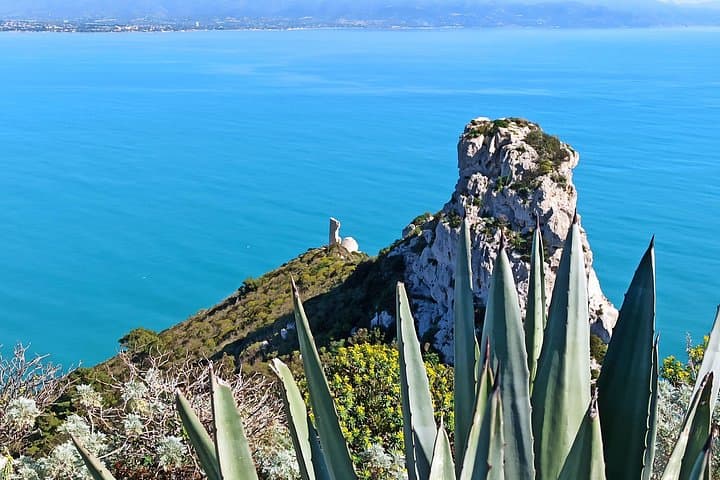
The path climbs out from the edge of Poetto beach and the city recedes beneath you: the sea stretches a sheet of blue while the Molentargius salt ponds glint like shallow mirrors. Wind tugs at the low maquis and the trail, a mix of packed earth and rocky steps, pushes hikers toward the promontory’s highest scars where ruins keep watch.
Verified experiences and guided adventures in the surrounding area.
Operated by Arasolè - Day tours and experiences in Sardinia · Cagliari, Sardinia
The path climbs out from the edge of Poetto beach and the city recedes beneath you: the sea stretches a sheet of blue while the Molentargius salt ponds glint like shallow mirrors. Wind tugs at the low maquis and the trail, a mix of packed earth and rocky steps, pushes hikers toward the promontory’s highest scars where ruins keep watch.
This short coastal circuit follows routes used since antiquity. Geologically the Sella del Diavolo is a limestone outcrop carved by waves and wind; you’ll pass Roman and Punic cisterns, World War II fortifications, and the fragmentary Temple of Astarte—evidence of Cagliari’s layered past of Phoenician, Roman and medieval occupation. Locals still come for quick escapes from the city and for the long view back over Castello and the docks.
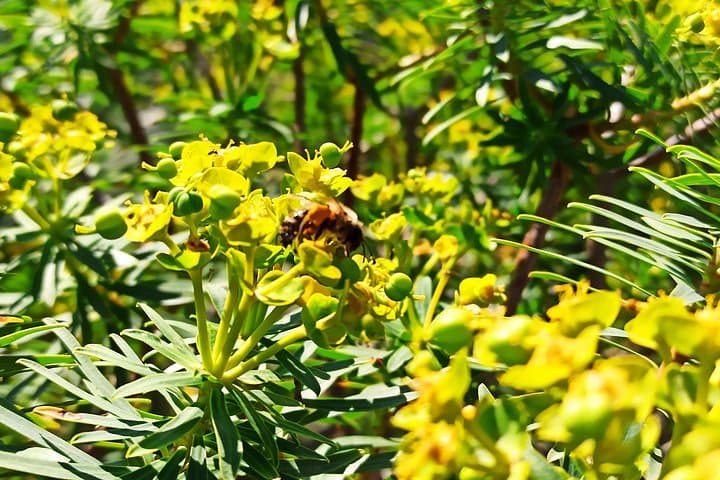
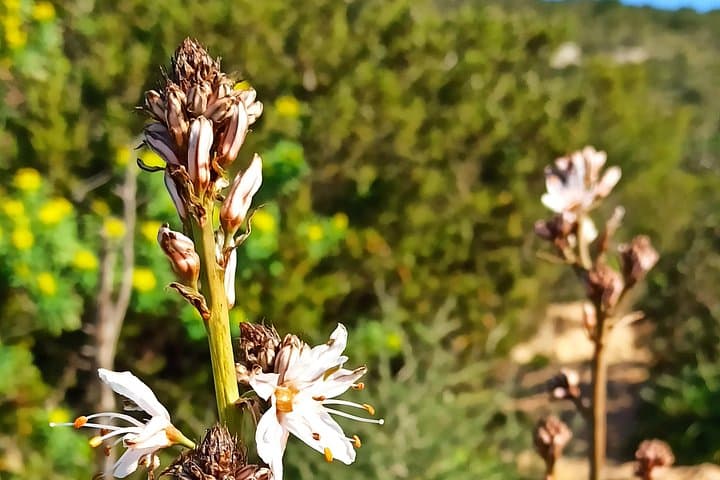
Nature here is blunt and aromatic: arbutus and mastic scrub breathe Mediterranean resin into the air, while gulls and raptors quarter the sky. The trail is straightforward but uneven—stones and short rises keep you alert—so the landscape feels like a companion that tests steadiness and rewards attention.
Plan on roughly 3–3.5 hours round-trip, about 3–5 km with ~100–150 m cumulative ascent depending on route, and no technical climbing. Bring at least 1 L of water, sun protection in summer, and shoes with grip. Early morning or late afternoon offers cooler temperatures and softer light for the ruins and the beach below. Respect protected areas around the ponds and carry out any litter to help this coastal habitat stay healthy.
Expect about 3–3.5 hours round-trip, roughly 3–5 km with 100–150 m of ascent; it’s classified easy but includes uneven footing.
Children who are comfortable on short rocky sections can do it; strollers are not suitable—the path has steps and rough ground.
Poetto and Sant’Elia areas are accessible by local buses or a short taxi ride from central Cagliari; parking is limited near busy times.
Guided options often include a licensed guide; the ruins are outdoor and generally viewable without admission, but certain sites are fragile so follow guide instructions.
Arasolè - Day tours and experiences in Sardinia operates guided outdoor trips and adventures with an emphasis on safety, stewardship, and memorable experiences.

The path climbs out from the edge of Poetto beach and the city recedes beneath you: the sea stretches a sheet of blue while the Molentargius salt ponds glint like shallow mirrors. Wind tugs at the low maquis and the trail, a mix of packed earth and rocky steps, pushes hikers toward the promontory’s highest scars where ruins keep watch.
The path climbs out from the edge of Poetto beach and the city recedes beneath you: the sea stretches a sheet of blue while the Molentargius salt ponds glint like shallow mirrors. Wind tugs at the low maquis and the trail, a mix of packed earth and rocky steps, pushes hikers toward the promontory’s highest scars where ruins keep watch.
This short coastal circuit follows routes used since antiquity. Geologically the Sella del Diavolo is a limestone outcrop carved by waves and wind; you’ll pass Roman and Punic cisterns, World War II fortifications, and the fragmentary Temple of Astarte—evidence of Cagliari’s layered past of Phoenician, Roman and medieval occupation. Locals still come for quick escapes from the city and for the long view back over Castello and the docks.
Nature here is blunt and aromatic: arbutus and mastic scrub breathe Mediterranean resin into the air, while gulls and raptors quarter the sky. The trail is straightforward but uneven—stones and short rises keep you alert—so the landscape feels like a companion that tests steadiness and rewards attention.
Plan on roughly 3–3.5 hours round-trip, about 3–5 km with ~100–150 m cumulative ascent depending on route, and no technical climbing. Bring at least 1 L of water, sun protection in summer, and shoes with grip. Early morning or late afternoon offers cooler temperatures and softer light for the ruins and the beach below. Respect protected areas around the ponds and carry out any litter to help this coastal habitat stay healthy.