THE ADVENTURE COLLECTIVE® · Independent discovery and booking for outdoor travel

Trace 150‑million‑year‑old dinosaur footprints on the windswept limestone of Cabo Espichel. This guided day hike from Sesimbra combines medieval streets, a monumental sanctuary and coastal geology for a hands‑on lesson in deep time.
Trace 150‑million‑year‑old dinosaur footprints on the windswept limestone of Cabo Espichel. This guided day hike from Sesimbra combines medieval streets, a monumental sanctuary and coastal geology for a hands‑on lesson in deep time.
The wind on the cape cuts like a clean edge; the Atlantic stretches flat to the horizon and the limestone cliffs stand sheer, their faces peppered with ancient marks. On this day‑long hike visitors move from the sheltered lanes of Sesimbra up onto the promontory of Cabo Espichel, where the earth shows fossilized footprints traced back to the Late Jurassic.
Verified experiences and guided adventures in the surrounding area.
Operated by Andre Marques · Sesimbra, Setúbal District
The wind on the cape cuts like a clean edge; the Atlantic stretches flat to the horizon and the limestone cliffs stand sheer, their faces peppered with ancient marks. On this day‑long hike visitors move from the sheltered lanes of Sesimbra up onto the promontory of Cabo Espichel, where the earth shows fossilized footprints traced back to the Late Jurassic.
The sanctuary at Espichel—its chapel, aqueduct and old hostels—speaks to centuries of pilgrimage and maritime life, while the cliffs themselves are Jurassic limestone carved by sea and time. The dinosaur ichnofossils here are sauropod and theropod trackways preserved on bedding planes about 150 million years old, a visible layer of natural history right where people still fish and pray.
Expect a mixed itinerary: a stroll through Sesimbra’s medieval streets and a salt‑pan lookout, then 3–4 hours of walking on coastal trails and rocky ledges. Total door‑to‑door time is roughly 7 hours including private transport and guided stops. Terrain is uneven rock, packed dirt paths and exposed cliff edges with intermittent vegetation; elevation change is modest but repeated ups and downs can add 150–300 m cumulatively over the route.
Practical edge: wear grippy hiking shoes, sun protection and layered windproof clothing. Bring at least 1.5–2 L of water, a camera with a zoom for fossil details, and be prepared for gusty, salt‑laden air. Guided groups are small; the tour blends natural history, coastal geology and local culture for a straightforward, memorable day on Portugal’s western edge.
The guided walk totals about 3–4 hours spread across several stops; the full experience including transport and visits runs around 6–7 hours.
Footprints are on coastal ledges; the guide shows accessible viewpoints and you’ll see trackways from safe distances without technical climbing.
The route is classified as easy to moderate but involves uneven terrain and cliff edges—it's suitable for children used to hikes but not recommended for those with serious mobility limitations.
High winds and wet rock can increase risk; the operator may cancel in bad weather. Tidal conditions can affect nearby shore access, so follow your guide’s instructions.
Andre Marques operates guided outdoor trips and adventures with an emphasis on safety, stewardship, and memorable experiences.
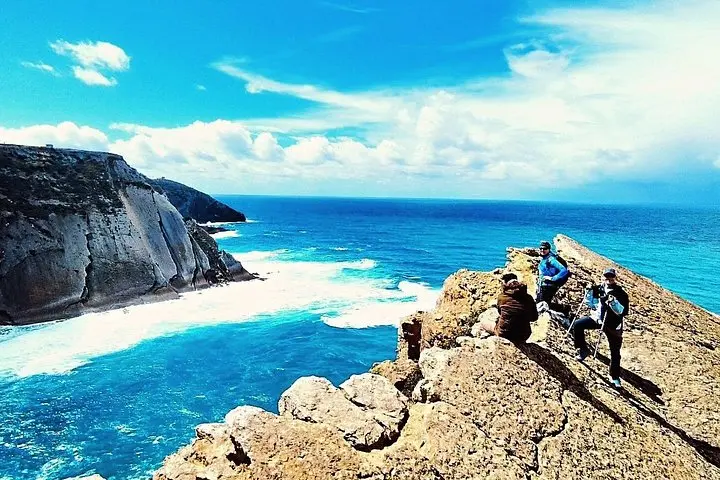
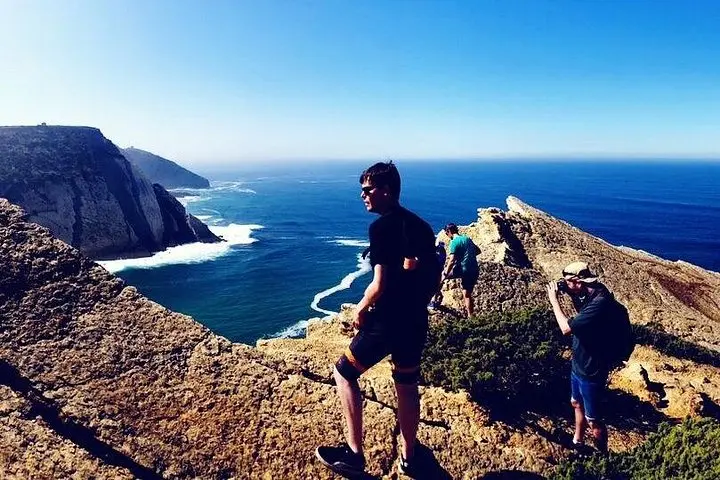
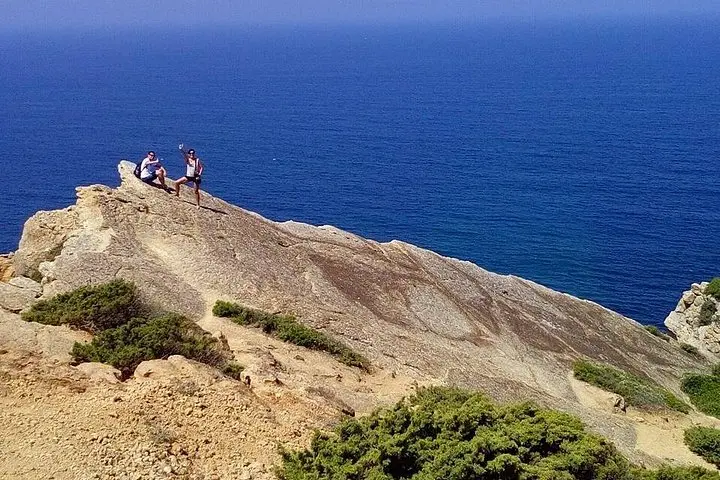
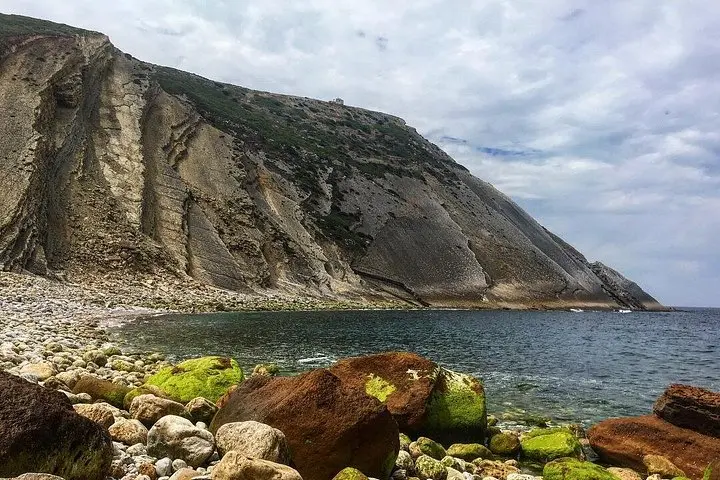
The wind on the cape cuts like a clean edge; the Atlantic stretches flat to the horizon and the limestone cliffs stand sheer, their faces peppered with ancient marks. On this day‑long hike visitors move from the sheltered lanes of Sesimbra up onto the promontory of Cabo Espichel, where the earth shows fossilized footprints traced back to the Late Jurassic.
The wind on the cape cuts like a clean edge; the Atlantic stretches flat to the horizon and the limestone cliffs stand sheer, their faces peppered with ancient marks. On this day‑long hike visitors move from the sheltered lanes of Sesimbra up onto the promontory of Cabo Espichel, where the earth shows fossilized footprints traced back to the Late Jurassic.
The sanctuary at Espichel—its chapel, aqueduct and old hostels—speaks to centuries of pilgrimage and maritime life, while the cliffs themselves are Jurassic limestone carved by sea and time. The dinosaur ichnofossils here are sauropod and theropod trackways preserved on bedding planes about 150 million years old, a visible layer of natural history right where people still fish and pray.
Expect a mixed itinerary: a stroll through Sesimbra’s medieval streets and a salt‑pan lookout, then 3–4 hours of walking on coastal trails and rocky ledges. Total door‑to‑door time is roughly 7 hours including private transport and guided stops. Terrain is uneven rock, packed dirt paths and exposed cliff edges with intermittent vegetation; elevation change is modest but repeated ups and downs can add 150–300 m cumulatively over the route.
Practical edge: wear grippy hiking shoes, sun protection and layered windproof clothing. Bring at least 1.5–2 L of water, a camera with a zoom for fossil details, and be prepared for gusty, salt‑laden air. Guided groups are small; the tour blends natural history, coastal geology and local culture for a straightforward, memorable day on Portugal’s western edge.