THE ADVENTURE COLLECTIVE® · Independent discovery and booking for outdoor travel

A full-day guided trek from Cusco to Humantay Lagoon that pairs dramatic views of Salkantay with a steep high‑altitude hike to a turquoise glacial lake. Ideal for moderately fit travelers who have begun to acclimatize.
A full-day guided trek from Cusco to Humantay Lagoon that pairs dramatic views of Salkantay with a steep high‑altitude hike to a turquoise glacial lake. Ideal for moderately fit travelers who have begun to acclimatize.
A thin cold wind cuts across the high meadow as the minivan eases onto the dirt shoulder at Soraypampa. Hikers step out into hard, high-altitude air and look up: Salkantay’s flanks dominate the sky, a raw spine of glaciated rock pointing toward the cordillera. The trail climbs through puna grass and scattered stone cairns, and after the last switchback the lake appears—an impossible bowl of turquoise held by the Humantay peak.
Verified experiences and guided adventures in the surrounding area.
Operated by X Travel Peru · Cusco, Cusco
A thin cold wind cuts across the high meadow as the minivan eases onto the dirt shoulder at Soraypampa. Hikers step out into hard, high-altitude air and look up: Salkantay’s flanks dominate the sky, a raw spine of glaciated rock pointing toward the cordillera. The trail climbs through puna grass and scattered stone cairns, and after the last switchback the lake appears—an impossible bowl of turquoise held by the Humantay peak.
The lagoon sits above 4,200 m, formed by glacial melt and moraine damming at the foot of Humantay. This corner of the Vilcabamba range bears Inca-era trails and contemporary reverence; Salkantay itself figures in local Andean cosmology as an apu, a mountain spirit. Geologically the route traces uplifted volcanic and metamorphic bands; culturally the hike threads through small agricultural towns like Mollepata where traditional markets still operate.
Practically, the day is long: early hotel pickup from Cusco, a two-hour drive to Mollepata for breakfast, then onward to Soraypampa and a steep 1.5–2 hour ascent to the lagoon. Expect rocky, sometimes muddy switchbacks, strong sun, and thin air—pace conservatively and allow for acclimatization.
Bring layered clothing, a warm hat, sun protection, and at least 2–3 liters of water; trekking poles make the steep return easier. Photography at the lakeshore is best with morning or late-afternoon light when the water deepens to its signature blue-green. The route is accessible to moderately fit travelers who respect altitude limits, and the payoff is a compact, high-mountain scene that feels remote despite its popularity.
The lake sits around 4,200 m (13,780 ft). Visitors commonly feel shortness of breath and should acclimatize in Cusco for 24–48 hours; take it slow and consider medication if prone to altitude sickness.
The ascent is typically 1.5–2 hours each way depending on pace and fitness—expect steep switchbacks and rocky footing.
Children and older adults with moderate fitness can complete the trail if acclimatized, but those with spinal, heart, or pregnancy restrictions should avoid it per operator guidance.
This tour generally includes hotel pickup, private transport, breakfast, lunch, an official guide, and entrance to the lagoon area; confirm specifics with the operator before booking.
X Travel Peru operates guided outdoor trips and adventures with an emphasis on safety, stewardship, and memorable experiences.
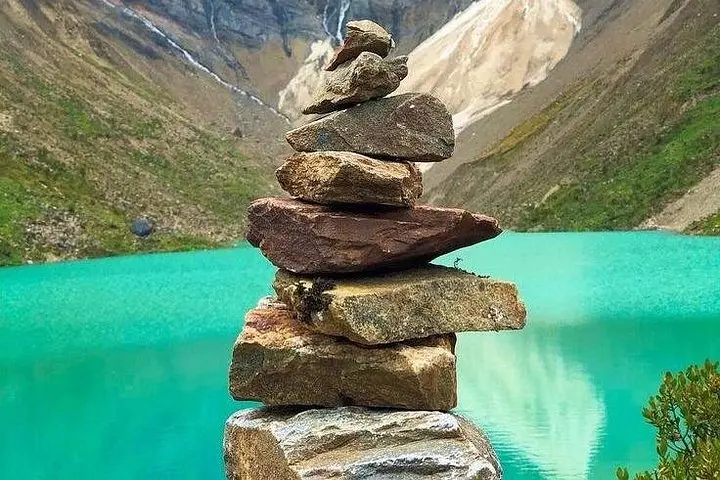
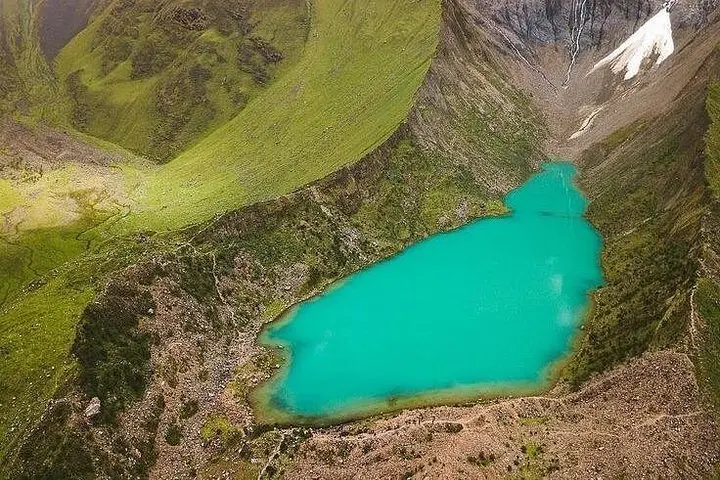
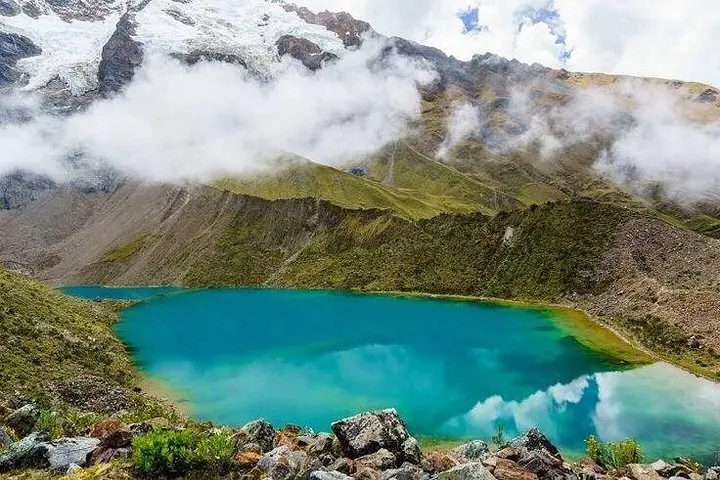
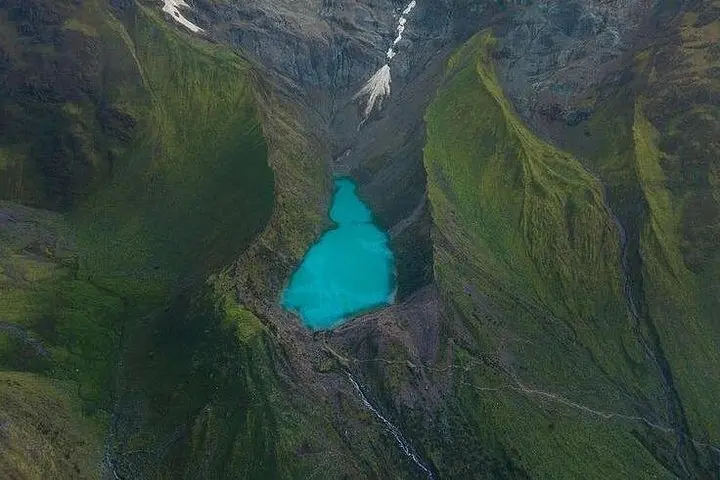
A thin cold wind cuts across the high meadow as the minivan eases onto the dirt shoulder at Soraypampa. Hikers step out into hard, high-altitude air and look up: Salkantay’s flanks dominate the sky, a raw spine of glaciated rock pointing toward the cordillera. The trail climbs through puna grass and scattered stone cairns, and after the last switchback the lake appears—an impossible bowl of turquoise held by the Humantay peak.
A thin cold wind cuts across the high meadow as the minivan eases onto the dirt shoulder at Soraypampa. Hikers step out into hard, high-altitude air and look up: Salkantay’s flanks dominate the sky, a raw spine of glaciated rock pointing toward the cordillera. The trail climbs through puna grass and scattered stone cairns, and after the last switchback the lake appears—an impossible bowl of turquoise held by the Humantay peak.
The lagoon sits above 4,200 m, formed by glacial melt and moraine damming at the foot of Humantay. This corner of the Vilcabamba range bears Inca-era trails and contemporary reverence; Salkantay itself figures in local Andean cosmology as an apu, a mountain spirit. Geologically the route traces uplifted volcanic and metamorphic bands; culturally the hike threads through small agricultural towns like Mollepata where traditional markets still operate.
Practically, the day is long: early hotel pickup from Cusco, a two-hour drive to Mollepata for breakfast, then onward to Soraypampa and a steep 1.5–2 hour ascent to the lagoon. Expect rocky, sometimes muddy switchbacks, strong sun, and thin air—pace conservatively and allow for acclimatization.
Bring layered clothing, a warm hat, sun protection, and at least 2–3 liters of water; trekking poles make the steep return easier. Photography at the lakeshore is best with morning or late-afternoon light when the water deepens to its signature blue-green. The route is accessible to moderately fit travelers who respect altitude limits, and the payoff is a compact, high-mountain scene that feels remote despite its popularity.