THE ADVENTURE COLLECTIVE® · Independent discovery and booking for outdoor travel

A full-day supported hike from Cusco to Laguna Humantay delivers one of the Andes’ clearest alpine lakes. Expect a brisk high-altitude climb, dramatic views of Salcantay, and practical logistics handled for you—breakfast, lunch, transport and a local guide.
A full-day supported hike from Cusco to Laguna Humantay delivers one of the Andes’ clearest alpine lakes. Expect a brisk high-altitude climb, dramatic views of Salcantay, and practical logistics handled for you—breakfast, lunch, transport and a local guide.
The trail opens with cold morning air and a long ribbon of road that pushes you west from Cusco toward the high shoulders of the Vilcabamba range. By the time you step off the minivan at Soraypampa you feel the altitude—a thin, brisk presence that tugs at breath—and the path climbs through puna grass and wind-swept scree toward a bowl of startling turquoise water.
Verified experiences and guided adventures in the surrounding area.
Operated by Treks in Cusco · Mollepata / Soraypampa, Cusco
The trail opens with cold morning air and a long ribbon of road that pushes you west from Cusco toward the high shoulders of the Vilcabamba range. By the time you step off the minivan at Soraypampa you feel the altitude—a thin, brisk presence that tugs at breath—and the path climbs through puna grass and wind-swept scree toward a bowl of startling turquoise water.
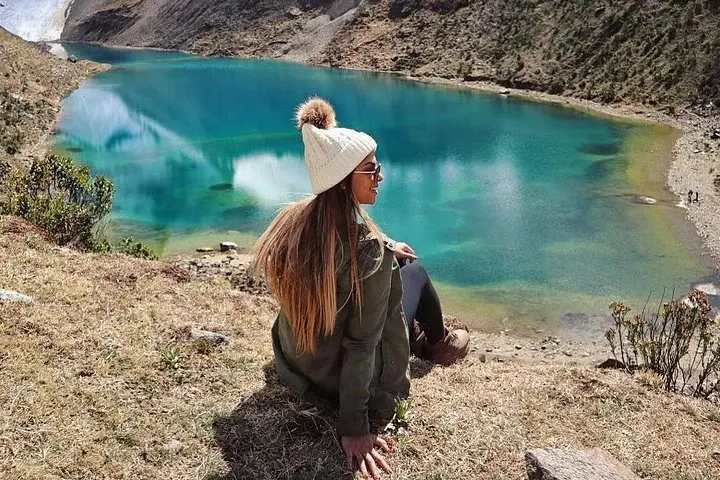
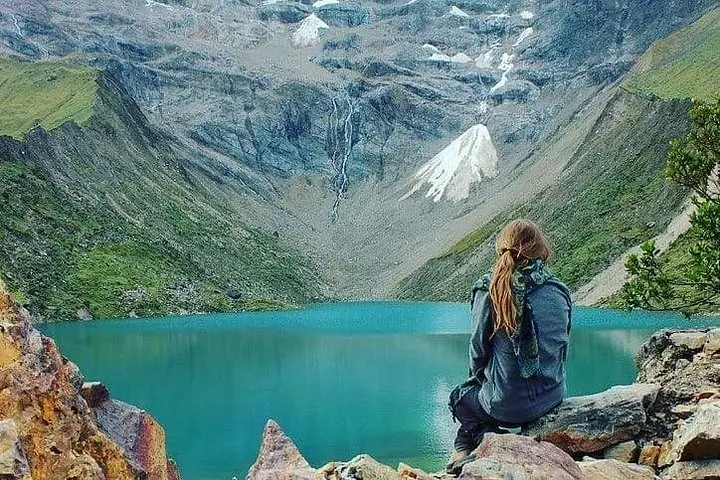
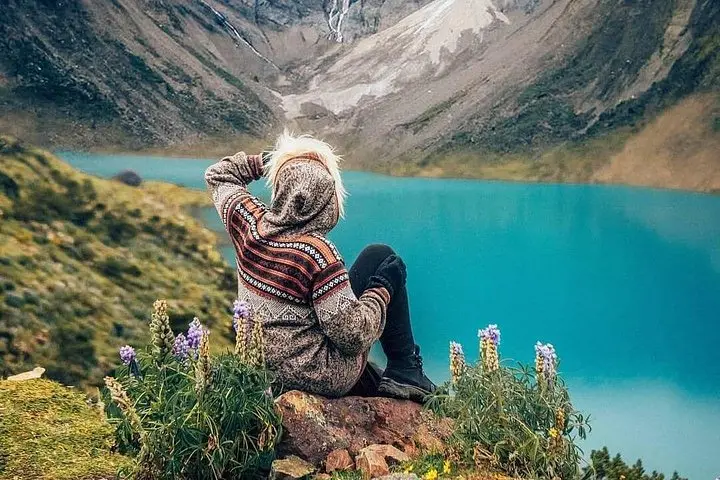
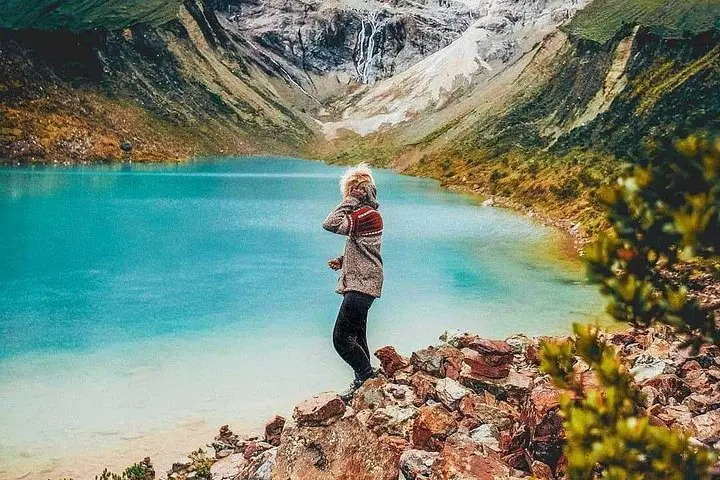
Humantay sits below the glaciated flanks of Humantay and in sight of the higher Salcantay massif; those peaks are made of uplifted sedimentary and volcanic rocks carved by millennia of ice and meltwater. The lake’s color comes from glacial flour suspended in melt streams, and the surrounding valley was important to local Quechua communities long before tourism—offering water, ritual sites, and pathways later integrated into Inca travel routes.
Expect 1.5–2 hours of uphill walking from Soraypampa to the lake at roughly 4,150 m (13,600 ft), with rocky switchbacks and tidal crowds at peak times. Guides typically include breakfast, a rest at the rim for photos, and a return to Mollepata for lunch before driving back to Cusco. Weather shifts rapidly: sun can be fierce at midday, while late-afternoon clouds and rain arrive fast in the wet months.
Practical guidance: acclimatize in Cusco for at least two days, start early to avoid crowds and storms, carry layered insulation and sun protection, and pace your breathing on the ascent. The payoff is immediate—clear, cold water cupped by high peaks, where wind and stone make the landscape feel alive and intent on testing your resolve.
The ascent takes about 1.5–2 hours depending on pace and acclimatization; plan for additional time at the lake and for returns.
Yes — you should spend at least one to two nights in Cusco (3,400 m) or lower to reduce the risk of altitude sickness.
On most day-trip packages guides, breakfast, lunch and transport are included; confirm specifics with the operator before booking.
Physically capable children and older adults who are acclimatized can often complete the hike, but anyone with cardiovascular issues should avoid it.
Treks in Cusco operates guided outdoor trips and adventures with an emphasis on safety, stewardship, and memorable experiences.
The trail opens with cold morning air and a long ribbon of road that pushes you west from Cusco toward the high shoulders of the Vilcabamba range. By the time you step off the minivan at Soraypampa you feel the altitude—a thin, brisk presence that tugs at breath—and the path climbs through puna grass and wind-swept scree toward a bowl of startling turquoise water.
The trail opens with cold morning air and a long ribbon of road that pushes you west from Cusco toward the high shoulders of the Vilcabamba range. By the time you step off the minivan at Soraypampa you feel the altitude—a thin, brisk presence that tugs at breath—and the path climbs through puna grass and wind-swept scree toward a bowl of startling turquoise water.
Humantay sits below the glaciated flanks of Humantay and in sight of the higher Salcantay massif; those peaks are made of uplifted sedimentary and volcanic rocks carved by millennia of ice and meltwater. The lake’s color comes from glacial flour suspended in melt streams, and the surrounding valley was important to local Quechua communities long before tourism—offering water, ritual sites, and pathways later integrated into Inca travel routes.
Expect 1.5–2 hours of uphill walking from Soraypampa to the lake at roughly 4,150 m (13,600 ft), with rocky switchbacks and tidal crowds at peak times. Guides typically include breakfast, a rest at the rim for photos, and a return to Mollepata for lunch before driving back to Cusco. Weather shifts rapidly: sun can be fierce at midday, while late-afternoon clouds and rain arrive fast in the wet months.
Practical guidance: acclimatize in Cusco for at least two days, start early to avoid crowds and storms, carry layered insulation and sun protection, and pace your breathing on the ascent. The payoff is immediate—clear, cold water cupped by high peaks, where wind and stone make the landscape feel alive and intent on testing your resolve.