THE ADVENTURE COLLECTIVE® · Independent discovery and booking for outdoor travel

Walk the short but scenic route from Vinci to Anchiano, a 3.6 km guided hike with 200 m of elevation that ends at Leonardo da Vinci’s birthplace. Ideal for history lovers and casual hikers, the trail combines Tuscan views, olive groves and a visit to the artist’s hometown.
Walk the short but scenic route from Vinci to Anchiano, a 3.6 km guided hike with 200 m of elevation that ends at Leonardo da Vinci’s birthplace. Ideal for history lovers and casual hikers, the trail combines Tuscan views, olive groves and a visit to the artist’s hometown.
The path opens on a sun-warmed hill, the stone village of Vinci crouching below and the air smelling faintly of olive oil and cut grass. You step away from the town square and into a 3.6 km loop that climbs roughly 200 m toward Anchiano, the hamlet where Leonardo took his first breath. The trail alternates between shaded dirt tracks, terraces of vineyards and open viewpoints that lift your gaze to distant medieval rooftops.
Verified experiences and guided adventures in the surrounding area.
Operated by Tommaso Degl'Innocenti · Vinci, Tuscany
The path opens on a sun-warmed hill, the stone village of Vinci crouching below and the air smelling faintly of olive oil and cut grass. You step away from the town square and into a 3.6 km loop that climbs roughly 200 m toward Anchiano, the hamlet where Leonardo took his first breath. The trail alternates between shaded dirt tracks, terraces of vineyards and open viewpoints that lift your gaze to distant medieval rooftops.
Vinci sits in the foothills of Tuscan clay and limestone; centuries of small-scale agriculture carved terraces and lanes that still guide hikers. The area’s history is compact—medieval walls, a Renaissance museum in town and the small Baptismal font in the original parish where Leonardo was baptized—so the hike becomes both landscape and historical pilgrimage. Locals will tell you the same crops that shaped this land also shaped Leonardo’s eye: olive groves and patchwork vineyards that catch light like a study in tone.
Expect easy, well-marked paths with short steeper sections. Footing can be dusty in summer and slick after rain, so modest traction helps. Bring water and a hat; there are bench viewpoints but few staffed services along the route. Plan for a relaxed 2–3 hour outing that leaves time to visit the Museo Leonardiano and the house at Anchiano. Walk respectfully—these paths cross private lands and working farms—and allow time to sit, look back at the town and let the landscape nudge a quieter kind of curiosity.
The guided loop is about 3.6 km round trip with approximately 200 m of cumulative elevation gain; allow 2–3 hours including time in Anchiano.
Yes—rated easy and suitable for most ages, but the short climbs and uneven ground may be challenging for very young children or those with mobility issues.
Facilities are limited on the path; use services in Vinci before you start or after you finish the hike.
Yes—the itinerary includes a guided visit to the birthplace in Anchiano and time in Vinci to see local Leonardo-related sites.
Tommaso Degl'Innocenti operates guided outdoor trips and adventures with an emphasis on safety, stewardship, and memorable experiences.
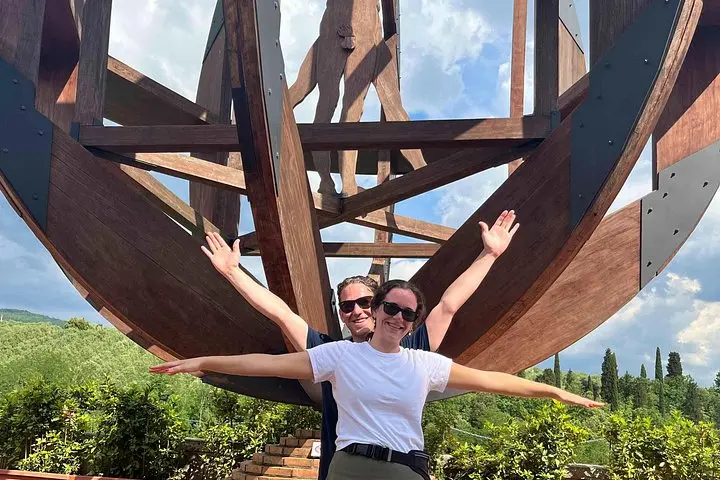
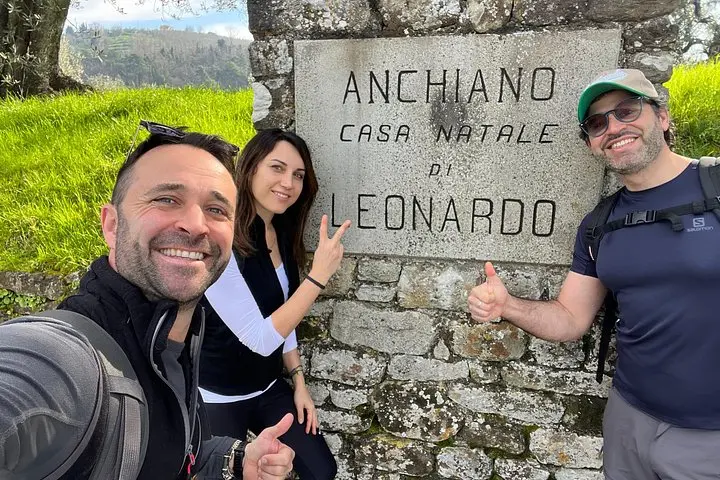
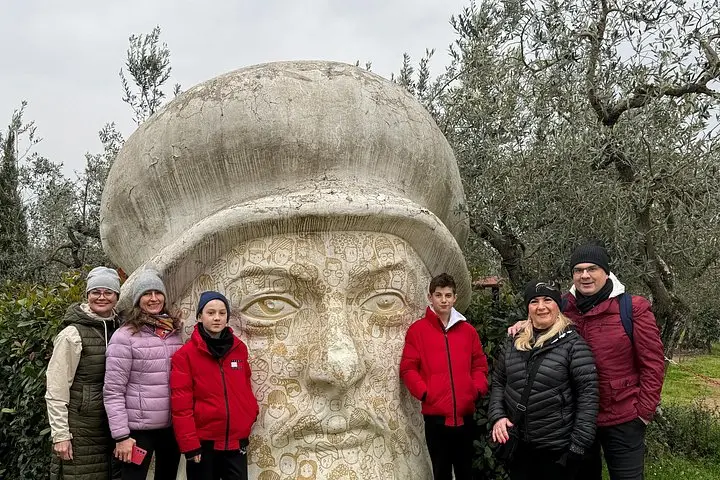
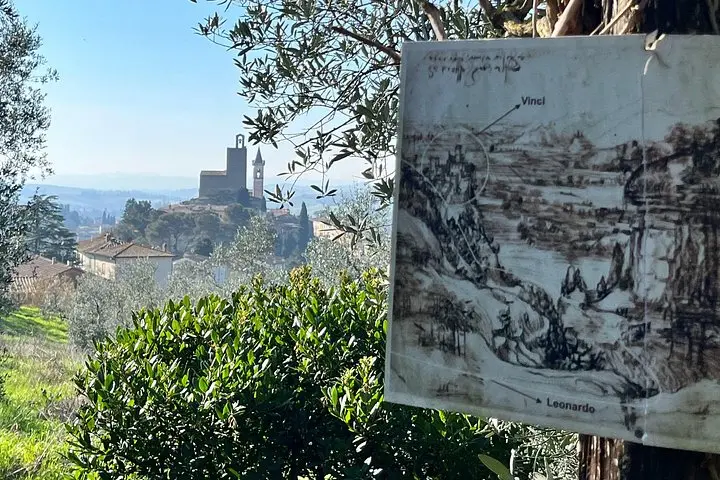
The path opens on a sun-warmed hill, the stone village of Vinci crouching below and the air smelling faintly of olive oil and cut grass. You step away from the town square and into a 3.6 km loop that climbs roughly 200 m toward Anchiano, the hamlet where Leonardo took his first breath. The trail alternates between shaded dirt tracks, terraces of vineyards and open viewpoints that lift your gaze to distant medieval rooftops.
The path opens on a sun-warmed hill, the stone village of Vinci crouching below and the air smelling faintly of olive oil and cut grass. You step away from the town square and into a 3.6 km loop that climbs roughly 200 m toward Anchiano, the hamlet where Leonardo took his first breath. The trail alternates between shaded dirt tracks, terraces of vineyards and open viewpoints that lift your gaze to distant medieval rooftops.
Vinci sits in the foothills of Tuscan clay and limestone; centuries of small-scale agriculture carved terraces and lanes that still guide hikers. The area’s history is compact—medieval walls, a Renaissance museum in town and the small Baptismal font in the original parish where Leonardo was baptized—so the hike becomes both landscape and historical pilgrimage. Locals will tell you the same crops that shaped this land also shaped Leonardo’s eye: olive groves and patchwork vineyards that catch light like a study in tone.
Expect easy, well-marked paths with short steeper sections. Footing can be dusty in summer and slick after rain, so modest traction helps. Bring water and a hat; there are bench viewpoints but few staffed services along the route. Plan for a relaxed 2–3 hour outing that leaves time to visit the Museo Leonardiano and the house at Anchiano. Walk respectfully—these paths cross private lands and working farms—and allow time to sit, look back at the town and let the landscape nudge a quieter kind of curiosity.