THE ADVENTURE COLLECTIVE® · Independent discovery and booking for outdoor travel

Walk across fresh lava toward the Little Pico 2014 crater on Fogo and stand at the edge of recent fire. This short but rugged trek mixes stark volcanic geology, endemic plants, and village life rebuilt in the ash.
Walk across fresh lava toward the Little Pico 2014 crater on Fogo and stand at the edge of recent fire. This short but rugged trek mixes stark volcanic geology, endemic plants, and village life rebuilt in the ash.
You step onto ground that still remembers fire: black glassy lava crunches underfoot, a thin sulfur breath lifts from cracks and the wind pushes cool air across a landscape that looks half-planetary, half-garden. The trail through Chã das Caldeiras climbs toward the 2014 Little Pico crater, the youngest scar on Fogo’s active cone, where rock and scrub vie for space and color appears in stubborn clusters.
Verified experiences and guided adventures in the surrounding area.
Operated by Qualitur Viagens e Turismo · São Filipe, Fogo
You step onto ground that still remembers fire: black glassy lava crunches underfoot, a thin sulfur breath lifts from cracks and the wind pushes cool air across a landscape that looks half-planetary, half-garden. The trail through Chã das Caldeiras climbs toward the 2014 Little Pico crater, the youngest scar on Fogo’s active cone, where rock and scrub vie for space and color appears in stubborn clusters.
Fogo’s story is written in layers of eruptions; the 2014 event reshaped villages and vineyards, and locals returned with a mix of practical grit and reverence. Geologically the hike is a close encounter with basaltic flows, tephra deposits and fumaroles—evidence the volcano is alive and shaping the island. Culturally you’ll pass Portela and Bangaeira, villages where residents steward small plots of fertile volcanic soil that produce distinctive Cape Verdean wines.
Expect uneven terrain—pumice, sharp scoria and consolidated lava—plus short steep pitches around the crater rim. Sulfur tang can be strong near vents; sound drops into a hush that makes every creak of stone feel intimate. Photographic highlights include the crater bowl, scattered endemic plants, and the ruined outlines of structures buried in recent flows.
Practical guidance: carry 2 liters of water, wear ankle-supporting boots and layered sun protection, and go with a local guide for route choices and safety near fumaroles. Start early to avoid midday heat, respect marked paths, and allow 2–3 hours round-trip depending on pace. This is a volcanic hike that rewards awareness—observe, keep distance from weak crusts, and you’ll leave with a vivid sense of nature’s force and the quiet resilience of the people who live beside it.
The route is short (2–3 hours) but uneven and rocky; moderate fitness and sure-footedness are recommended.
Pico do Fogo is active; visits are allowed with guides who monitor fumaroles and unstable ground—stay on marked routes and heed guide instructions.
Yes—many operators offer transfers from São Filipe with a round-trip schedule that fits a half-day hike, though staying in Chã das Caldeiras lets you move more slowly and enjoy sunset or sunrise.
Guides commonly speak Portuguese and Cape Verdean Creole; operators often provide guides who speak English, French or Italian by prior arrangement.
Qualitur Viagens e Turismo operates guided outdoor trips and adventures with an emphasis on safety, stewardship, and memorable experiences.
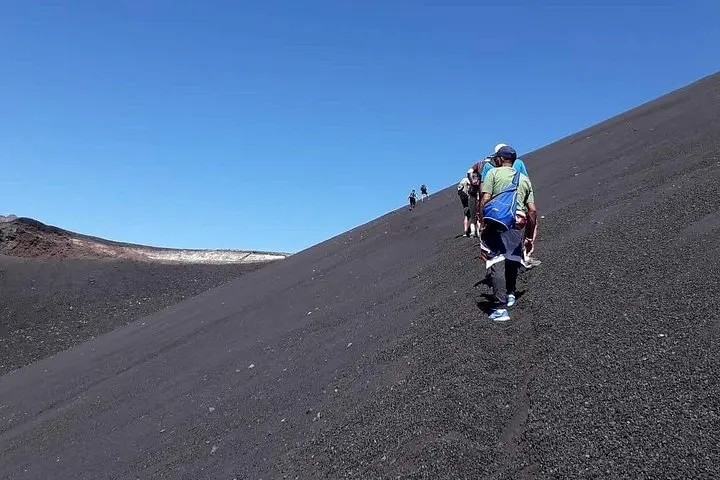
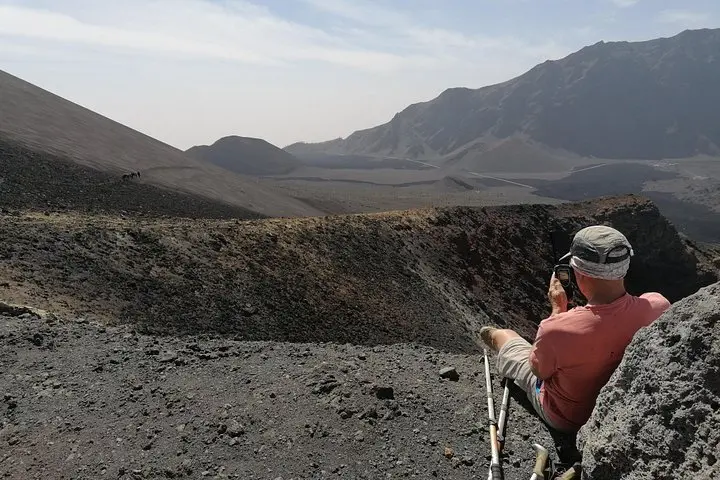
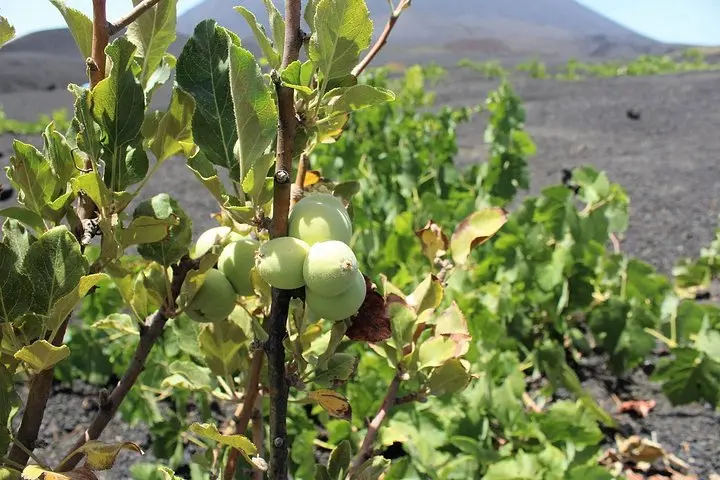
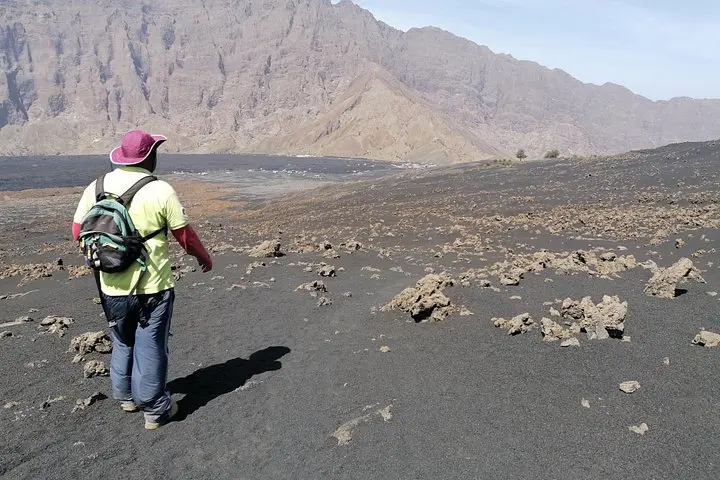
You step onto ground that still remembers fire: black glassy lava crunches underfoot, a thin sulfur breath lifts from cracks and the wind pushes cool air across a landscape that looks half-planetary, half-garden. The trail through Chã das Caldeiras climbs toward the 2014 Little Pico crater, the youngest scar on Fogo’s active cone, where rock and scrub vie for space and color appears in stubborn clusters.
You step onto ground that still remembers fire: black glassy lava crunches underfoot, a thin sulfur breath lifts from cracks and the wind pushes cool air across a landscape that looks half-planetary, half-garden. The trail through Chã das Caldeiras climbs toward the 2014 Little Pico crater, the youngest scar on Fogo’s active cone, where rock and scrub vie for space and color appears in stubborn clusters.
Fogo’s story is written in layers of eruptions; the 2014 event reshaped villages and vineyards, and locals returned with a mix of practical grit and reverence. Geologically the hike is a close encounter with basaltic flows, tephra deposits and fumaroles—evidence the volcano is alive and shaping the island. Culturally you’ll pass Portela and Bangaeira, villages where residents steward small plots of fertile volcanic soil that produce distinctive Cape Verdean wines.
Expect uneven terrain—pumice, sharp scoria and consolidated lava—plus short steep pitches around the crater rim. Sulfur tang can be strong near vents; sound drops into a hush that makes every creak of stone feel intimate. Photographic highlights include the crater bowl, scattered endemic plants, and the ruined outlines of structures buried in recent flows.
Practical guidance: carry 2 liters of water, wear ankle-supporting boots and layered sun protection, and go with a local guide for route choices and safety near fumaroles. Start early to avoid midday heat, respect marked paths, and allow 2–3 hours round-trip depending on pace. This is a volcanic hike that rewards awareness—observe, keep distance from weak crusts, and you’ll leave with a vivid sense of nature’s force and the quiet resilience of the people who live beside it.