THE ADVENTURE COLLECTIVE® · Independent discovery and booking for outdoor travel

This easy guided hike in Tijuca Forest leads to Pedra Bonita, one of Rio’s best viewpoints. Expect forest shade, granite steps, and sweeping views of beaches and the city — ideal for first-time hikers.
This easy guided hike in Tijuca Forest leads to Pedra Bonita, one of Rio’s best viewpoints. Expect forest shade, granite steps, and sweeping views of beaches and the city — ideal for first-time hikers.
A cool morning in Tijuca begins with dappled light through giant fig trees and the steady sound of the city dropping away. On this accessible trail the forest breathes around you — ferns brushing your calves, birds calling overhead — and the path pulls upward toward a broad granite shoulder known locally as Pedra Bonita (Beautiful Stone).
Verified experiences and guided adventures in the surrounding area.
Operated by Rodrigo Indio Tours · Rio de Janeiro, Rio de Janeiro
A cool morning in Tijuca begins with dappled light through giant fig trees and the steady sound of the city dropping away. On this accessible trail the forest breathes around you — ferns brushing your calves, birds calling overhead — and the path pulls upward toward a broad granite shoulder known locally as Pedra Bonita (Beautiful Stone).
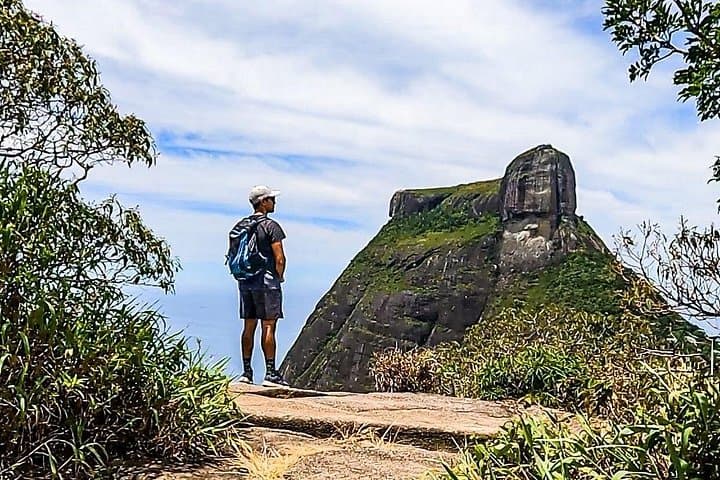
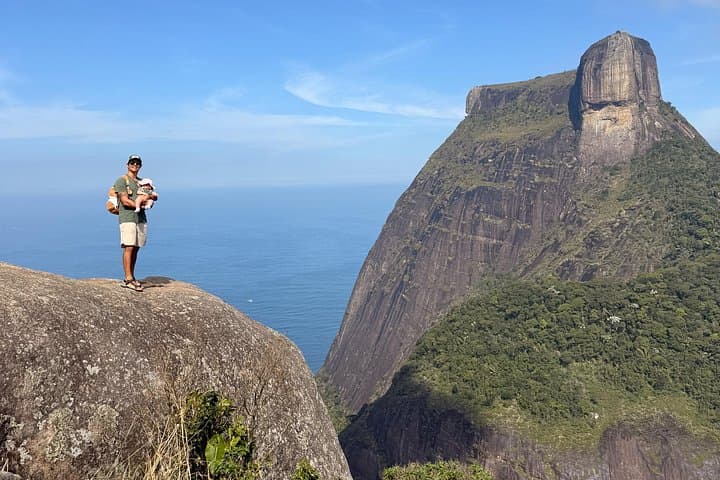
The rock itself is part of the same coastal granite that formed Rio’s dramatic headlands; it towers over São Conrado and frames views of Pedra da Gávea, Leblon and the beaches below. Tijuca Forest is one of the largest urban forests in the world, largely replanted in the 19th century to protect the city’s water supplies, and the route threads old stone steps, exposed roots and shady lanes with native bromeliads clinging to trunks.
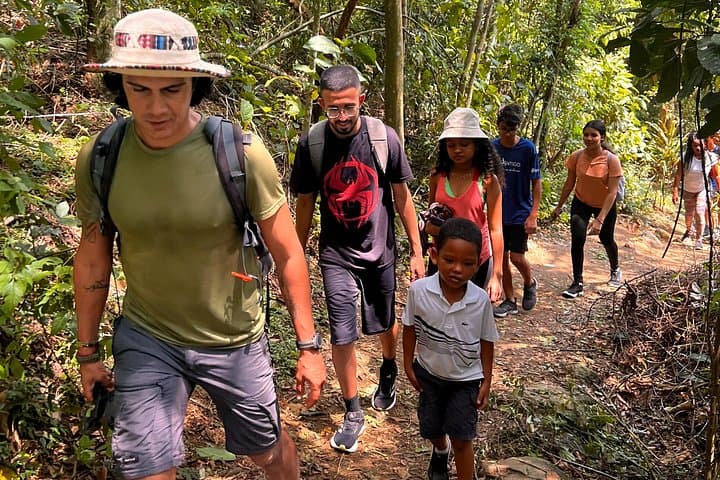
Local guides add history and context — pointing out native tree species, explaining reforestation efforts, and marking vantage points where Christ the Redeemer aligns with the bay. At the top, wind from the paragliding launch will push at your jacket and reward you with wide, geometrical views: beaches, ridgelines and the city folding out beneath.
Practical guidance: wear sturdy shoes with grip, bring at least 1–2 liters of water, and plan for 3–4 hours including transport. Mornings are best for light and calmer air; afternoons can be hotter and windier. Stay on marked trails, leave no trace, and expect stairs and uneven rock underfoot. For first-time hikers this is an ideal introduction to Rio’s wild side — dramatic, approachable and intensely urban at once.
Meet at the main entrance of Tijuca National Park near the designated trailhead; most guides recommend arriving by ride-share for convenience.
Yes — the trail is described as light and accessible, but participants should be able to manage stairs and short uphill sections at a gentle pace.
Drones are regulated in Rio and often restricted in national parks; ask your guide beforehand — they can advise on rules and permit requirements.
Tours commonly cancel for heavy rain; check the cancellation policy and carry a light waterproof layer as storms in the Serra do Mar can arrive quickly.
Rodrigo Indio Tours operates guided outdoor trips and adventures with an emphasis on safety, stewardship, and memorable experiences.
A cool morning in Tijuca begins with dappled light through giant fig trees and the steady sound of the city dropping away. On this accessible trail the forest breathes around you — ferns brushing your calves, birds calling overhead — and the path pulls upward toward a broad granite shoulder known locally as Pedra Bonita (Beautiful Stone).
A cool morning in Tijuca begins with dappled light through giant fig trees and the steady sound of the city dropping away. On this accessible trail the forest breathes around you — ferns brushing your calves, birds calling overhead — and the path pulls upward toward a broad granite shoulder known locally as Pedra Bonita (Beautiful Stone).
The rock itself is part of the same coastal granite that formed Rio’s dramatic headlands; it towers over São Conrado and frames views of Pedra da Gávea, Leblon and the beaches below. Tijuca Forest is one of the largest urban forests in the world, largely replanted in the 19th century to protect the city’s water supplies, and the route threads old stone steps, exposed roots and shady lanes with native bromeliads clinging to trunks.
Local guides add history and context — pointing out native tree species, explaining reforestation efforts, and marking vantage points where Christ the Redeemer aligns with the bay. At the top, wind from the paragliding launch will push at your jacket and reward you with wide, geometrical views: beaches, ridgelines and the city folding out beneath.
Practical guidance: wear sturdy shoes with grip, bring at least 1–2 liters of water, and plan for 3–4 hours including transport. Mornings are best for light and calmer air; afternoons can be hotter and windier. Stay on marked trails, leave no trace, and expect stairs and uneven rock underfoot. For first-time hikers this is an ideal introduction to Rio’s wild side — dramatic, approachable and intensely urban at once.