THE ADVENTURE COLLECTIVE® · Independent discovery and booking for outdoor travel

A moderate 6–7 km day hike into one of Mexico City's largest wooded lungs, ending at Puerta del Cielo (3,550 m). Expect river crossings, a waterfall, a volcanic cave, and a 30 m via ferrata ladder with provided safety gear.
A moderate 6–7 km day hike into one of Mexico City's largest wooded lungs, ending at Puerta del Cielo (3,550 m). Expect river crossings, a waterfall, a volcanic cave, and a 30 m via ferrata ladder with provided safety gear.
You step out where the road narrows and the pine-scented air presses cool against your face. A shallow river—the La Magdalena, still flowing and surprisingly alive—threads the first kilometers, daring you across mossy stones as the trail begins to climb toward 3,550 meters.
Verified experiences and guided adventures in the surrounding area.
Operated by 19.3 North Degrees · Mexico City, Ciudad de México
You step out where the road narrows and the pine-scented air presses cool against your face. A shallow river—the La Magdalena, still flowing and surprisingly alive—threads the first kilometers, daring you across mossy stones as the trail begins to climb toward 3,550 meters.
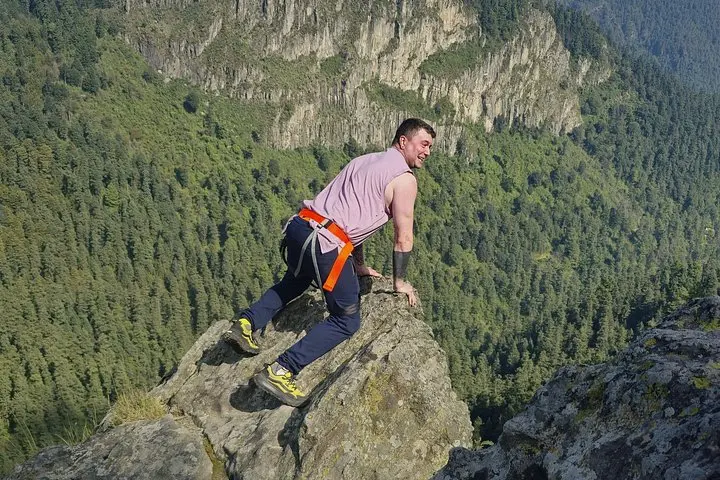
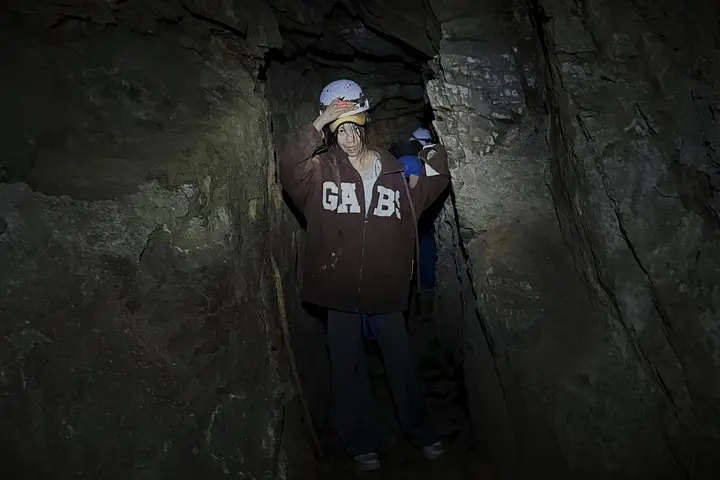
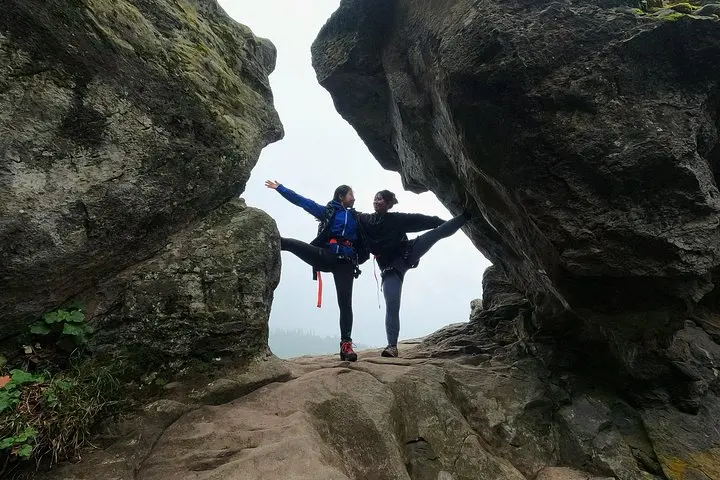
This is a day of contrasts: oak and pine stands give way to exposed rock, a small waterfall hums beside a shaded gulley, and a volcanic cave opens like a brief, dark room on the route. Geologically the area records recent volcanic activity; weathered basalt and huge boulders tell a story of slow uplift and erosion. Culturally, the path skirts old infrastructure—the skeletal remains of a hydroelectric plant from the early 1900s—that hint at the valley's industrial past before the city grew around it.
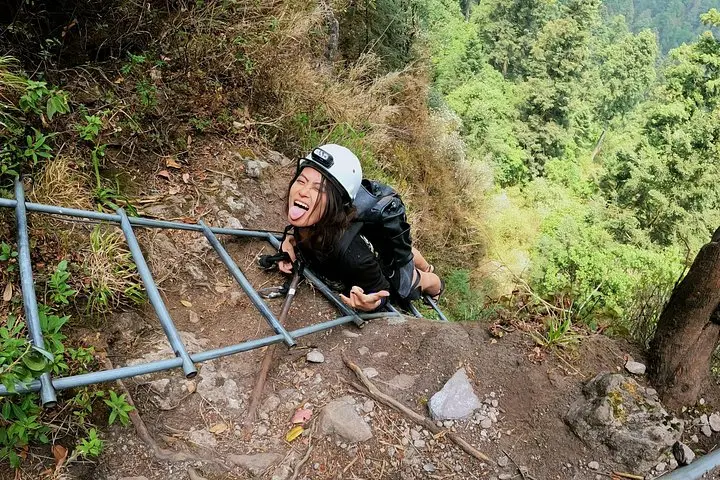
Expect roughly 6–7 km round trip with sustained uphill sections and a 30‑meter via ferrata ladder climb fitted with harness and helmet. The extra viewpoint en route offers a clear line to the city on a good day, while the summit viewpoint, the Puerta del Cielo, rewards effort with wide sky and room to rest.
Practically: allow about six hours, carry layered clothing for rapid weather changes, and bring high-energy snacks and at least 2 liters of water. The route is best for hikers with moderate fitness and comfort with exposure; guides provide safety gear for the ladder. Leave no trace and watch for slippery ground in the rainy season when fungal life paints the forest floor.
The itinerary is about 6–7 km round trip with steady uphill sections, a few river crossings, and a 30 m via ferrata ladder; it's rated intermediate/moderate and lasts around 6 hours.
No prior experience is required—guides supply helmet and harness and will belay or clip you in, but you should be comfortable with exposure and some scrambling.
If you have cardiovascular issues, recent spinal problems, or are pregnant, this hike is not recommended; acclimatize first and consult a doctor if you have health concerns.
Tours may be canceled in heavy rain or unsafe conditions; rainy season increases slipperiness and visibility issues, so waterproof gear and flexible planning are advised.
19.3 North Degrees operates guided outdoor trips and adventures with an emphasis on safety, stewardship, and memorable experiences.
You step out where the road narrows and the pine-scented air presses cool against your face. A shallow river—the La Magdalena, still flowing and surprisingly alive—threads the first kilometers, daring you across mossy stones as the trail begins to climb toward 3,550 meters.
You step out where the road narrows and the pine-scented air presses cool against your face. A shallow river—the La Magdalena, still flowing and surprisingly alive—threads the first kilometers, daring you across mossy stones as the trail begins to climb toward 3,550 meters.
This is a day of contrasts: oak and pine stands give way to exposed rock, a small waterfall hums beside a shaded gulley, and a volcanic cave opens like a brief, dark room on the route. Geologically the area records recent volcanic activity; weathered basalt and huge boulders tell a story of slow uplift and erosion. Culturally, the path skirts old infrastructure—the skeletal remains of a hydroelectric plant from the early 1900s—that hint at the valley's industrial past before the city grew around it.
Expect roughly 6–7 km round trip with sustained uphill sections and a 30‑meter via ferrata ladder climb fitted with harness and helmet. The extra viewpoint en route offers a clear line to the city on a good day, while the summit viewpoint, the Puerta del Cielo, rewards effort with wide sky and room to rest.
Practically: allow about six hours, carry layered clothing for rapid weather changes, and bring high-energy snacks and at least 2 liters of water. The route is best for hikers with moderate fitness and comfort with exposure; guides provide safety gear for the ladder. Leave no trace and watch for slippery ground in the rainy season when fungal life paints the forest floor.