THE ADVENTURE COLLECTIVE® · Independent discovery and booking for outdoor travel

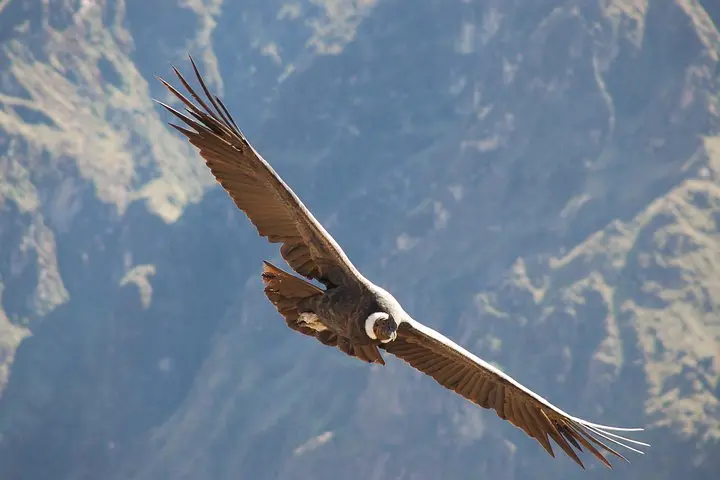
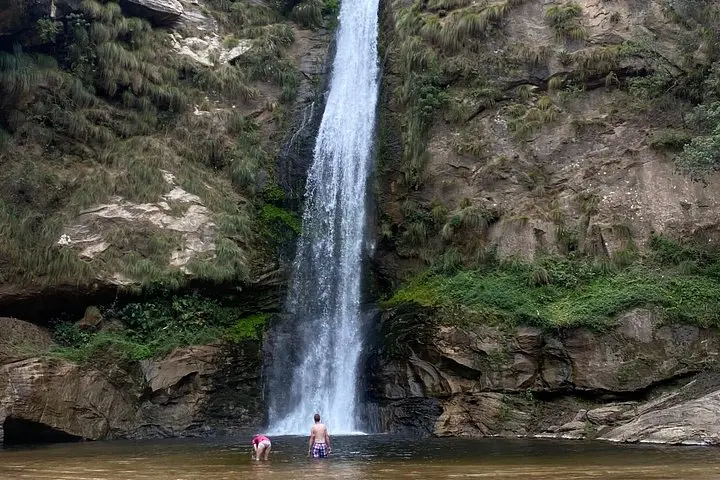
A full-day trek from Samaipata to the Condor’s Nest climbs over 2,000m of ridge country, delivering close-up condor sightings and optional swimming at La Pajcha Waterfall. Steep climbs, exposed ridgelines and rich cultural landscapes make this a demanding but unforgettable Bolivian day hike.
A full-day trek from Samaipata to the Condor’s Nest climbs over 2,000m of ridge country, delivering close-up condor sightings and optional swimming at La Pajcha Waterfall. Steep climbs, exposed ridgelines and rich cultural landscapes make this a demanding but unforgettable Bolivian day hike.
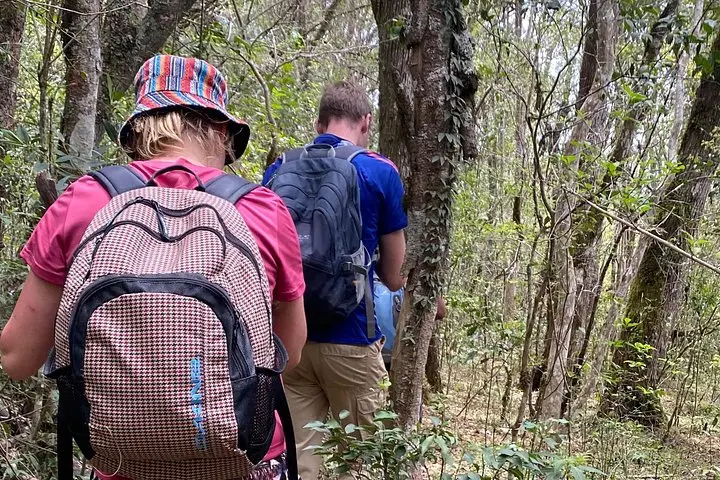
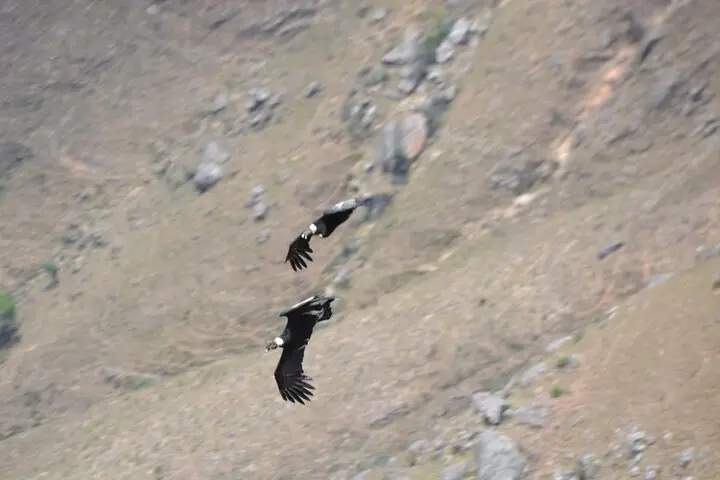
You leave Samaipata before dawn and the road tightens into high scrub; the car windows frame the rise of the ridge that will dominate your day. The trail starts steep and uncompromising, breathing altitude into your lungs as the landscape opens into wind-scoured ridgelines where condors wheel like sentries above the cliffs.
Verified experiences and guided adventures in the surrounding area.
Operated by No Hay Vida Mejor · Samaipata, Santa Cruz
You leave Samaipata before dawn and the road tightens into high scrub; the car windows frame the rise of the ridge that will dominate your day. The trail starts steep and uncompromising, breathing altitude into your lungs as the landscape opens into wind-scoured ridgelines where condors wheel like sentries above the cliffs.
This route follows ancient pathways that cross geological layers of folded sandstone and volcanic sediments, worn into sharp ribs and shallow gullies. The region sits below the higher ranges of the Andes and has long been a crossroads for Quechua and Guaraní peoples; nearby El Fuerte de Samaipata, a UNESCO archaeological site, is evidence of a layered human history that meets the landscape here.
Cultural small-hold farmers still tend fields below the trail and greet passing hikers; the ridge’s bones tell a quiet story of uplift and erosion while the waterfall—La Pajcha—offers a cool counterpoint, water daring you to shed the heat of the climb for a quick swim.
On the practical side: expect a full day (transport plus 3–6 hours of hiking), a steady uphill rhythm on uneven rocky trail, and exposed sections with limited shade. A guide handles logistics and condor-watching windows; bring sun protection, a 2–3L hydration plan, sturdy boots and a light waterproof in case of mountain squalls. If you opt to extend to La Pajcha, plan to change into swimwear and allow an extra hour for the descent to the vehicle. Altitude and steep grades make this a challenging but immensely rewarding day out.
Expect a sustained uphill climb with rocky, uneven trail—moderately to very strenuous depending on pace; total outing is a full day with vehicle transfer time.
Condors are frequently sighted from the Condor’s Nest viewing area but wildlife sightings can’t be guaranteed; mornings often offer the best thermals.
La Pajcha offers a refreshing swim in clear pools; avoid swimming after heavy rain due to stronger currents and don’t use soaps that harm the water.
Guides are available in English and Spanish and the tour includes hotel pickup in Samaipata and return transport in an air-conditioned vehicle.
No Hay Vida Mejor operates guided outdoor trips and adventures with an emphasis on safety, stewardship, and memorable experiences.
You leave Samaipata before dawn and the road tightens into high scrub; the car windows frame the rise of the ridge that will dominate your day. The trail starts steep and uncompromising, breathing altitude into your lungs as the landscape opens into wind-scoured ridgelines where condors wheel like sentries above the cliffs.
You leave Samaipata before dawn and the road tightens into high scrub; the car windows frame the rise of the ridge that will dominate your day. The trail starts steep and uncompromising, breathing altitude into your lungs as the landscape opens into wind-scoured ridgelines where condors wheel like sentries above the cliffs.
This route follows ancient pathways that cross geological layers of folded sandstone and volcanic sediments, worn into sharp ribs and shallow gullies. The region sits below the higher ranges of the Andes and has long been a crossroads for Quechua and Guaraní peoples; nearby El Fuerte de Samaipata, a UNESCO archaeological site, is evidence of a layered human history that meets the landscape here.
Cultural small-hold farmers still tend fields below the trail and greet passing hikers; the ridge’s bones tell a quiet story of uplift and erosion while the waterfall—La Pajcha—offers a cool counterpoint, water daring you to shed the heat of the climb for a quick swim.
On the practical side: expect a full day (transport plus 3–6 hours of hiking), a steady uphill rhythm on uneven rocky trail, and exposed sections with limited shade. A guide handles logistics and condor-watching windows; bring sun protection, a 2–3L hydration plan, sturdy boots and a light waterproof in case of mountain squalls. If you opt to extend to La Pajcha, plan to change into swimwear and allow an extra hour for the descent to the vehicle. Altitude and steep grades make this a challenging but immensely rewarding day out.