THE ADVENTURE COLLECTIVE® · Independent discovery and booking for outdoor travel

A high-altitude waterfall carved from lagoon-fed streams and volcanic rock, Umaturco offers a compact, striking hike through rare Polylepis forest above Abancay. Plan for altitude, variable weather, and fragile puna terrain to make the most of this six-hour outing.
A high-altitude waterfall carved from lagoon-fed streams and volcanic rock, Umaturco offers a compact, striking hike through rare Polylepis forest above Abancay. Plan for altitude, variable weather, and fragile puna terrain to make the most of this six-hour outing.
The path begins with a thin ribbon of dust that threads through scrub and stands of Polylepis, the gnarled high-Andean trees that look like they’ve been fossilized in place. At 3,200 meters the air is leaner; each step feels like a small negotiation with the mountain. After a few switchbacks the sound changes from wind and birdsong to a steady, insistent rush — the falls are announcing themselves before they appear, daring you closer.
Verified experiences and guided adventures in the surrounding area.
Operated by mukys travel peru · Abancay, Apurímac
The path begins with a thin ribbon of dust that threads through scrub and stands of Polylepis, the gnarled high-Andean trees that look like they’ve been fossilized in place. At 3,200 meters the air is leaner; each step feels like a small negotiation with the mountain. After a few switchbacks the sound changes from wind and birdsong to a steady, insistent rush — the falls are announcing themselves before they appear, daring you closer.
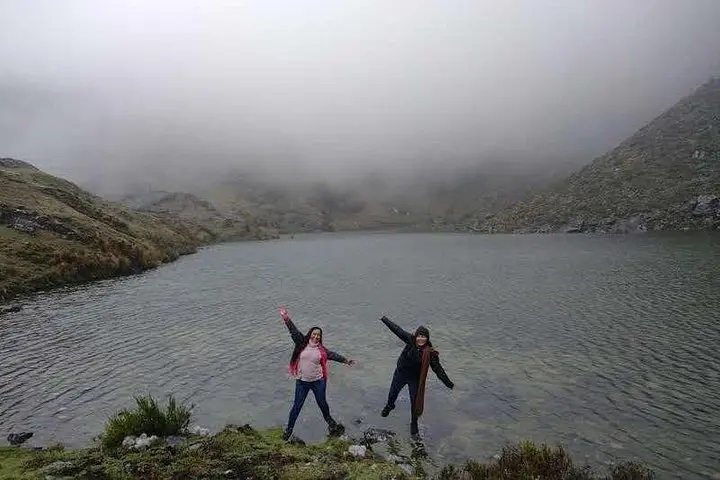
Umaturco’s waterfall is the visible mouth of a high-altitude hydrology: a lagoon filters through volcanic soils and fractures, then releases its stored melt and rain into a drop that cleaves sunlight into spray. Geologically the site sits on the eastern slopes of the Ampay massif, where uplifted volcanic and sedimentary layers have been scoured by ice and rain over millennia. Culturally the area belongs to Quechua-speaking communities that have grazed llamas here for generations; small stone enclosures and terraced fields dot the approach, quiet reminders that this landscape is worked as much as it is watched.
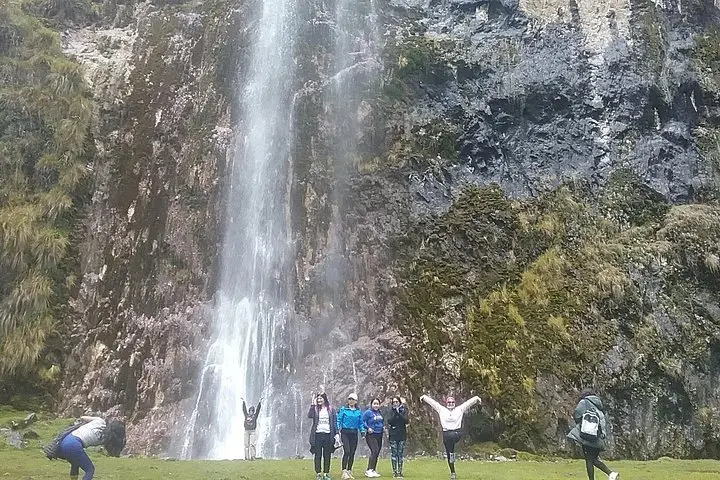
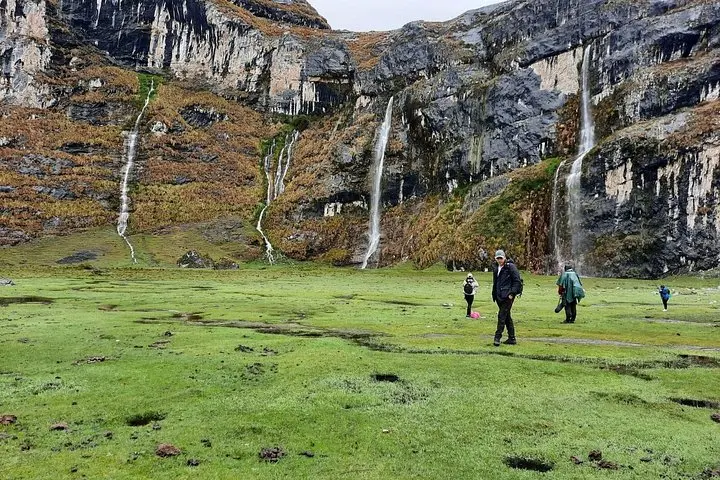
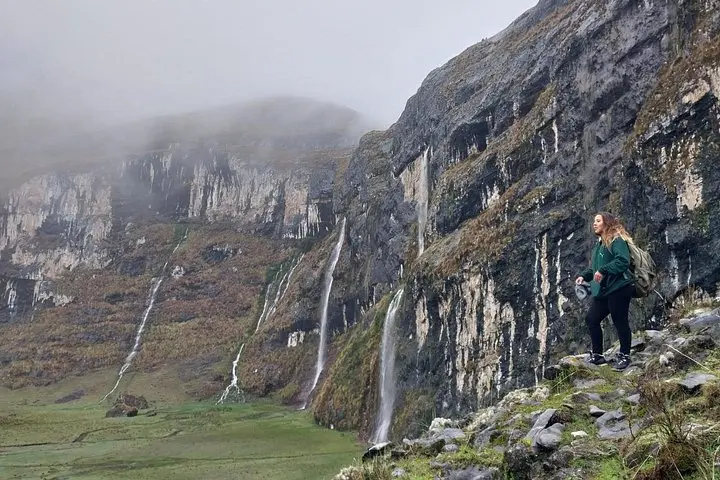
The sanctuary of Ampay was protected to conserve its rare Polylepis groves and puna ecosystems — fragile islands of biodiversity at altitude. When you arrive at the falls, mud and moss take on a green intensity against weathered rock; mist creates microhabitats where tiny orchids and bromeliads cling. The falls are not a single, cinematic drop but a braided set of cascades, some plunging into shallow basins that invite inspection and careful footing.
Practical guidance: the full outing is generally offered as a half-day to full-day trip (operators list around six hours door-to-door). Expect roughly 6–8 km round-trip with 250–450 meters of elevation change depending on your exact route and detours to viewpoints. Trails vary from packed soil to loose talus; stick to marked tracks to avoid trampling fragile puna vegetation.
Acclimatize in Abancay (2,300 m) for a day if possible; take it steady on the ascent and carry at least 2 liters of water. Sun is intense at altitude — a brimmed hat and sunscreen are essential. Weather can flip quickly: mornings often start crisp and clear, afternoons bring clouds and the chance of rain. Local guides—many coordinated through Abancay—know where seasonal pools form and which switchbacks are safest after rain. The tour operator coordinates pickup locally, so confirm meeting details (your supplier lists a local contact for coordination).
Leave no trace: the plants here recover slowly. Keep to trails, carry out all trash, and avoid entering fragile pools. With modest preparation, Umaturco delivers a compact, high-altitude waterfall experience that feels remote yet entirely within reach from Abancay.
Most operators run the visit as a half- to full-day outing; expect about 4–6 hours total including transport and stops, with roughly 6–8 km of walking.
Older children who are accustomed to hikes and breaks can do it, but steep sections and altitude make it less suitable for very young kids.
Guides are recommended for navigation, cultural context, and safety at altitude; many tours include private transportation and a local guide.
Dry months (May–September) offer clearer skies and firmer trails; the wet season (October–April) brings dramatic water flow but slipperier conditions.
Access to the Ampay area can involve a small conservation fee depending on the exact route—confirm with your operator before departure.
Acclimatize in Abancay if possible, ascend slowly, hydrate, avoid alcohol before the hike, and descend if severe symptoms appear.
mukys travel peru operates guided outdoor trips and adventures with an emphasis on safety, stewardship, and memorable experiences.
The path begins with a thin ribbon of dust that threads through scrub and stands of Polylepis, the gnarled high-Andean trees that look like they’ve been fossilized in place. At 3,200 meters the air is leaner; each step feels like a small negotiation with the mountain. After a few switchbacks the sound changes from wind and birdsong to a steady, insistent rush — the falls are announcing themselves before they appear, daring you closer.
The path begins with a thin ribbon of dust that threads through scrub and stands of Polylepis, the gnarled high-Andean trees that look like they’ve been fossilized in place. At 3,200 meters the air is leaner; each step feels like a small negotiation with the mountain. After a few switchbacks the sound changes from wind and birdsong to a steady, insistent rush — the falls are announcing themselves before they appear, daring you closer.
Umaturco’s waterfall is the visible mouth of a high-altitude hydrology: a lagoon filters through volcanic soils and fractures, then releases its stored melt and rain into a drop that cleaves sunlight into spray. Geologically the site sits on the eastern slopes of the Ampay massif, where uplifted volcanic and sedimentary layers have been scoured by ice and rain over millennia. Culturally the area belongs to Quechua-speaking communities that have grazed llamas here for generations; small stone enclosures and terraced fields dot the approach, quiet reminders that this landscape is worked as much as it is watched.
The sanctuary of Ampay was protected to conserve its rare Polylepis groves and puna ecosystems — fragile islands of biodiversity at altitude. When you arrive at the falls, mud and moss take on a green intensity against weathered rock; mist creates microhabitats where tiny orchids and bromeliads cling. The falls are not a single, cinematic drop but a braided set of cascades, some plunging into shallow basins that invite inspection and careful footing.
Practical guidance: the full outing is generally offered as a half-day to full-day trip (operators list around six hours door-to-door). Expect roughly 6–8 km round-trip with 250–450 meters of elevation change depending on your exact route and detours to viewpoints. Trails vary from packed soil to loose talus; stick to marked tracks to avoid trampling fragile puna vegetation.
Acclimatize in Abancay (2,300 m) for a day if possible; take it steady on the ascent and carry at least 2 liters of water. Sun is intense at altitude — a brimmed hat and sunscreen are essential. Weather can flip quickly: mornings often start crisp and clear, afternoons bring clouds and the chance of rain. Local guides—many coordinated through Abancay—know where seasonal pools form and which switchbacks are safest after rain. The tour operator coordinates pickup locally, so confirm meeting details (your supplier lists a local contact for coordination).
Leave no trace: the plants here recover slowly. Keep to trails, carry out all trash, and avoid entering fragile pools. With modest preparation, Umaturco delivers a compact, high-altitude waterfall experience that feels remote yet entirely within reach from Abancay.