THE ADVENTURE COLLECTIVE® · Independent discovery and booking for outdoor travel

Climb through age-old forest to Visegrád’s hilltop citadel for sweeping views of the Great Danube Bend, then reward yourself with an optional sauna or sandy Danube beach. This accessible day trip pairs a 3.5 km, 230 m ascent with cultural sites and riverside recovery.
Climb through age-old forest to Visegrád’s hilltop citadel for sweeping views of the Great Danube Bend, then reward yourself with an optional sauna or sandy Danube beach. This accessible day trip pairs a 3.5 km, 230 m ascent with cultural sites and riverside recovery.
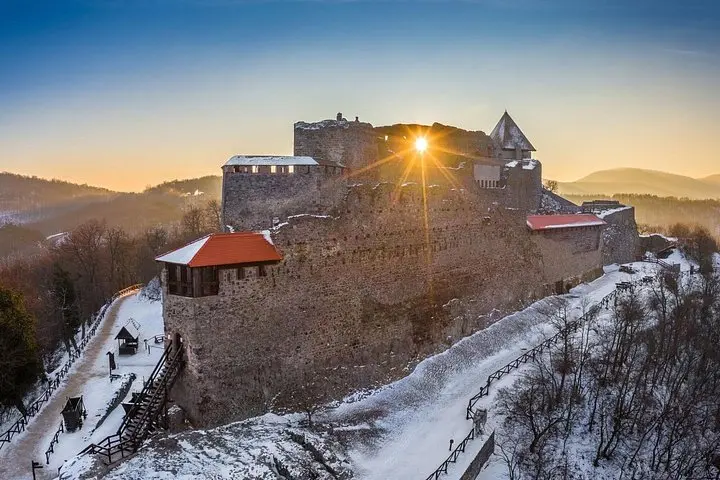
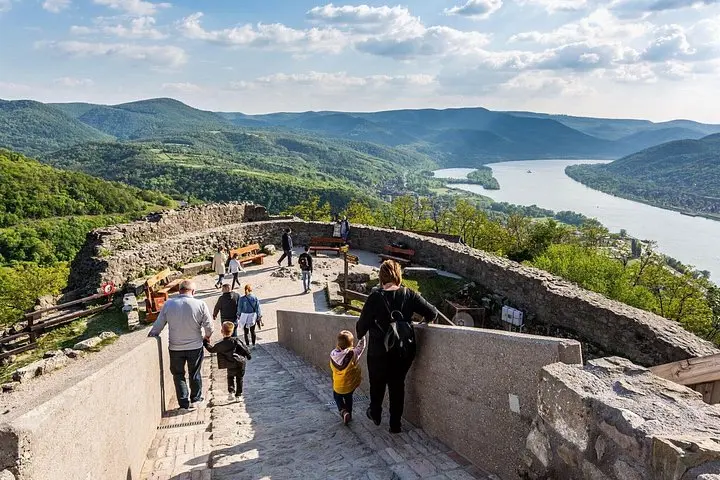
A morning drive north from Budapest drops the city’s roar behind you and plants you at the river where the Danube narrows and turns. From the riverside the trail pushes into a dense beech-and-oak forest; the climb is steady — about 230 meters of elevation gain over 3.5 km — and the trees open onto a cliff-edge where Visegrád’s medieval citadel commands one of Hungary’s most famous panoramas: the Great Danube Bend sweeping into the distance.
Verified experiences and guided adventures in the surrounding area.
Operated by Evezz Velem · Visegrád, Pest
A morning drive north from Budapest drops the city’s roar behind you and plants you at the river where the Danube narrows and turns. From the riverside the trail pushes into a dense beech-and-oak forest; the climb is steady — about 230 meters of elevation gain over 3.5 km — and the trees open onto a cliff-edge where Visegrád’s medieval citadel commands one of Hungary’s most famous panoramas: the Great Danube Bend sweeping into the distance.
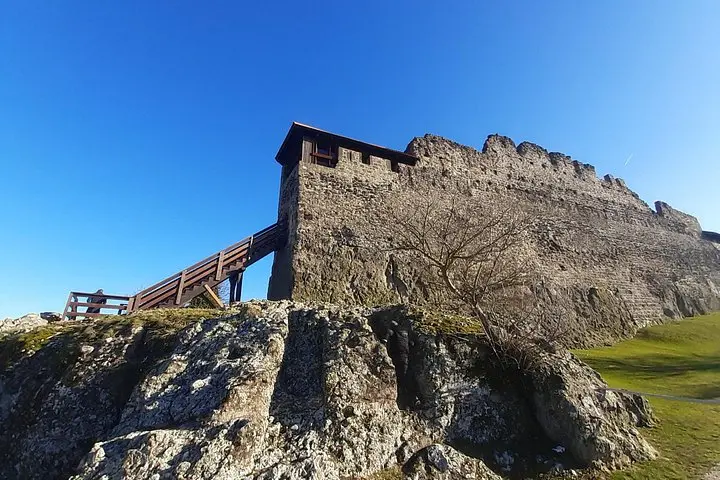
Visegrád was a royal seat in the Middle Ages; the stone of the fortress and the layout of the palace terraces reflect strategic siting above a vital river corridor. Geologically the area is river-carved, with steep slopes and sandstone outcrops that reveal the Danube’s erosive power. Local culture mixes rural riverside life with historical tourism; small restaurants and a wax museum near the castle tell stories of royal feasts and hunting traditions.
Practically, expect a 90-minute ascent on well-marked but sometimes rocky singletrack, and a faster 40–60 minute descent. The outing commonly finishes with an optional sauna session or a sandy Danube beach stop — ideal for rinsing off after the hike. Bring layered clothing for variable hilltop winds, sturdy footwear for uneven terrain, and a water bottle; take photos from the terrace but respect barriers and stay on trails to avoid erosion. Timing mid-morning avoids crowds and maximizes light on the bend.
The main climb gains about 230 meters over roughly 3.5 km and typically takes around 90 minutes on an unhurried pace; the downhill returns in 40–60 minutes.
Sauna access is offered as an optional add-on; participants who skip it can usually arrange an alternate riverside stop instead.
The Visegrád citadel and terrace are accessible year-round, though indoor exhibitions and full museum hours can be limited in winter — check seasonal opening days before you go.
Travelers should have moderate fitness; the climb may be unsuitable for people with serious cardiovascular issues and is not recommended for very young children without support.
Evezz Velem operates guided outdoor trips and adventures with an emphasis on safety, stewardship, and memorable experiences.

A morning drive north from Budapest drops the city’s roar behind you and plants you at the river where the Danube narrows and turns. From the riverside the trail pushes into a dense beech-and-oak forest; the climb is steady — about 230 meters of elevation gain over 3.5 km — and the trees open onto a cliff-edge where Visegrád’s medieval citadel commands one of Hungary’s most famous panoramas: the Great Danube Bend sweeping into the distance.
A morning drive north from Budapest drops the city’s roar behind you and plants you at the river where the Danube narrows and turns. From the riverside the trail pushes into a dense beech-and-oak forest; the climb is steady — about 230 meters of elevation gain over 3.5 km — and the trees open onto a cliff-edge where Visegrád’s medieval citadel commands one of Hungary’s most famous panoramas: the Great Danube Bend sweeping into the distance.
Visegrád was a royal seat in the Middle Ages; the stone of the fortress and the layout of the palace terraces reflect strategic siting above a vital river corridor. Geologically the area is river-carved, with steep slopes and sandstone outcrops that reveal the Danube’s erosive power. Local culture mixes rural riverside life with historical tourism; small restaurants and a wax museum near the castle tell stories of royal feasts and hunting traditions.
Practically, expect a 90-minute ascent on well-marked but sometimes rocky singletrack, and a faster 40–60 minute descent. The outing commonly finishes with an optional sauna session or a sandy Danube beach stop — ideal for rinsing off after the hike. Bring layered clothing for variable hilltop winds, sturdy footwear for uneven terrain, and a water bottle; take photos from the terrace but respect barriers and stay on trails to avoid erosion. Timing mid-morning avoids crowds and maximizes light on the bend.