THE ADVENTURE COLLECTIVE® · Independent discovery and booking for outdoor travel

Descend from farmland into a jungle-carved canyon to reach Vuelta de Cañón, a waterfall fed by streams from Poás volcano. This 4–5 hour hike combines river-play, viewpoints and volcanic geology with a locally guided, small-group experience.
Descend from farmland into a jungle-carved canyon to reach Vuelta de Cañón, a waterfall fed by streams from Poás volcano. This 4–5 hour hike combines river-play, viewpoints and volcanic geology with a locally guided, small-group experience.
The trail drops away from a rural lane into a pocket of cloud-tinged jungle, and the river’s voice soon grows louder—daring you forward. Walkers thread through open fields where finches and cattle keep watch, then pass a gate and descend into a canyon carved by volcanic rivers. After an hour and a half the forest opens onto the first viewpoint: the waterfall hangs like a curtain at the canyon’s throat, spray brightening the understory.
Verified experiences and guided adventures in the surrounding area.
Operated by Wild Path Costa Rica · Bajos del Toro, Alajuela
The trail drops away from a rural lane into a pocket of cloud-tinged jungle, and the river’s voice soon grows louder—daring you forward. Walkers thread through open fields where finches and cattle keep watch, then pass a gate and descend into a canyon carved by volcanic rivers. After an hour and a half the forest opens onto the first viewpoint: the waterfall hangs like a curtain at the canyon’s throat, spray brightening the understory.
Geology here is active and honest: Poás’s eruptions and heavy tropical rains have sheared the landscape into steep canyons and sculpted bedrock pools. The route sits in Bajos del Toro’s humid foothills, an area shaped by coffee farms, basaltic flows and a local culture that blends smallholder agriculture with ecotourism services. Local guides often explain how the reserve was set aside to protect water sources that feed downstream communities.
Expect wet rock, natural plunge pools and short limestone-like slides where water has smoothed the stone. It’s a three- to five-hour out-and-back that rewards steady footing and patience for photography.
Practical guidance: wear grippy shoes, bring a lightweight rain layer and quick-dry clothing, and carry water and a snack—lunch is usually provided on full tours. Arrive by 4x4 or local bus to the meeting point and allow time for muddy access roads. Respect signage: stay on trails, avoid fragile banks, and pack out all trash so the canyon keeps daring the next traveler.
Guided outings typically last 4–5 hours round-trip, including breaks and time at viewpoints.
Yes—there are natural pools and shallow spots for wading, but avoid deep currents and follow guide instructions for safety.
A moderate fitness level is recommended; the route involves sustained downhill and uneven terrain but no technical climbing.
Most guests arrive by local bus or a 4x4 rental to the meeting point; confirm transport requirements with the operator ahead of time.
Wild Path Costa Rica operates guided outdoor trips and adventures with an emphasis on safety, stewardship, and memorable experiences.
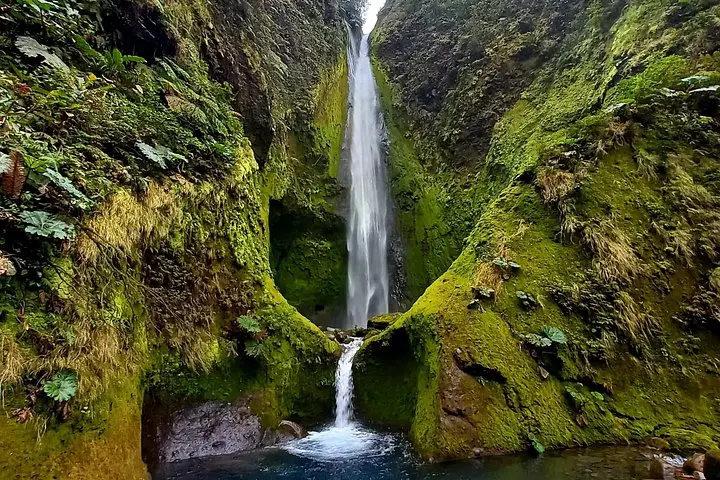
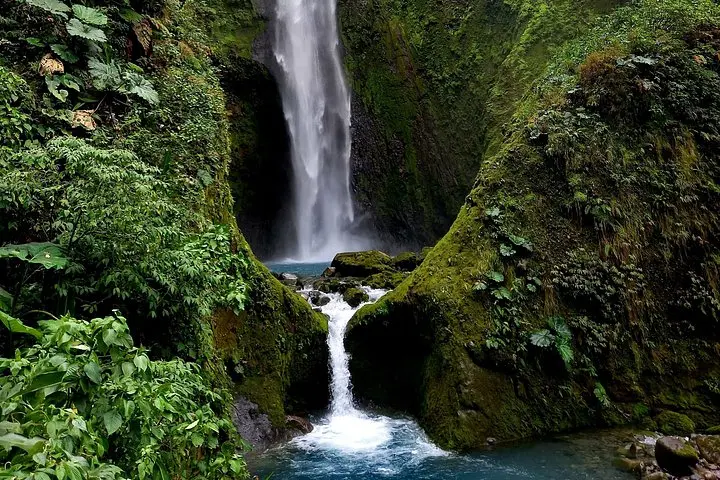
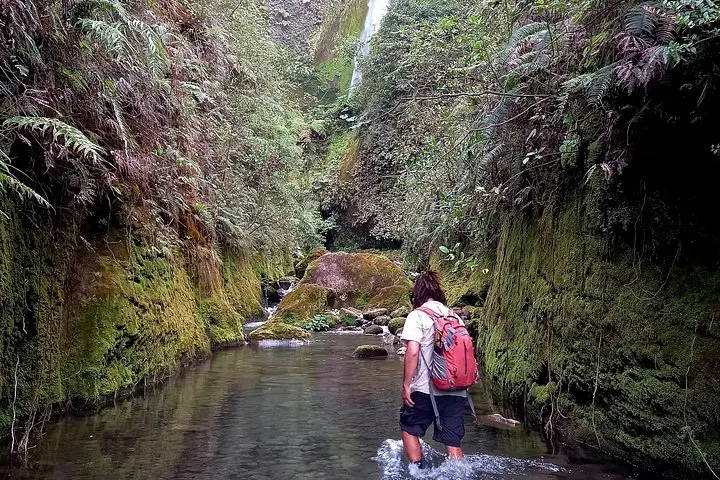
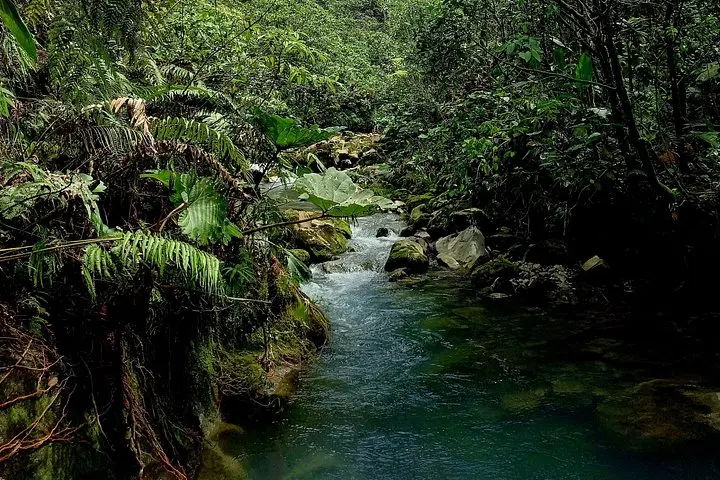
The trail drops away from a rural lane into a pocket of cloud-tinged jungle, and the river’s voice soon grows louder—daring you forward. Walkers thread through open fields where finches and cattle keep watch, then pass a gate and descend into a canyon carved by volcanic rivers. After an hour and a half the forest opens onto the first viewpoint: the waterfall hangs like a curtain at the canyon’s throat, spray brightening the understory.
The trail drops away from a rural lane into a pocket of cloud-tinged jungle, and the river’s voice soon grows louder—daring you forward. Walkers thread through open fields where finches and cattle keep watch, then pass a gate and descend into a canyon carved by volcanic rivers. After an hour and a half the forest opens onto the first viewpoint: the waterfall hangs like a curtain at the canyon’s throat, spray brightening the understory.
Geology here is active and honest: Poás’s eruptions and heavy tropical rains have sheared the landscape into steep canyons and sculpted bedrock pools. The route sits in Bajos del Toro’s humid foothills, an area shaped by coffee farms, basaltic flows and a local culture that blends smallholder agriculture with ecotourism services. Local guides often explain how the reserve was set aside to protect water sources that feed downstream communities.
Expect wet rock, natural plunge pools and short limestone-like slides where water has smoothed the stone. It’s a three- to five-hour out-and-back that rewards steady footing and patience for photography.
Practical guidance: wear grippy shoes, bring a lightweight rain layer and quick-dry clothing, and carry water and a snack—lunch is usually provided on full tours. Arrive by 4x4 or local bus to the meeting point and allow time for muddy access roads. Respect signage: stay on trails, avoid fragile banks, and pack out all trash so the canyon keeps daring the next traveler.