THE ADVENTURE COLLECTIVE® · Independent discovery and booking for outdoor travel

A short, rewarding hike from Yeka Mikael leads to Washa Mikael, a 4th-century semi-monolithic church carved into volcanic rock. Combine archaeology, coffee culture and city views on this accessible Addis Ababa outing.
A short, rewarding hike from Yeka Mikael leads to Washa Mikael, a 4th-century semi-monolithic church carved into volcanic rock. Combine archaeology, coffee culture and city views on this accessible Addis Ababa outing.
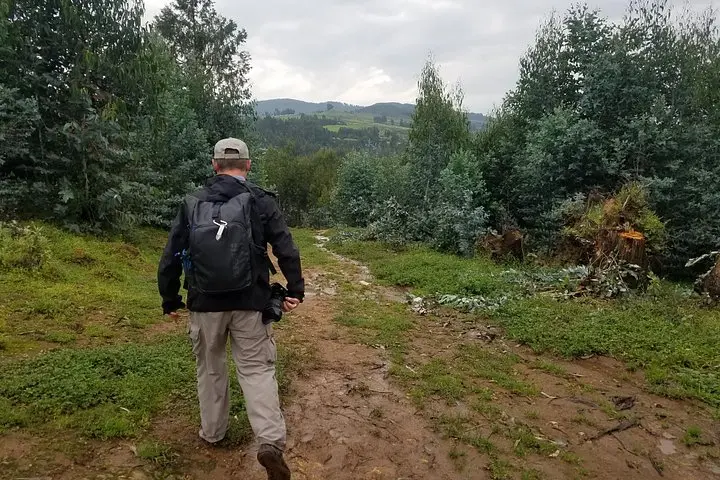
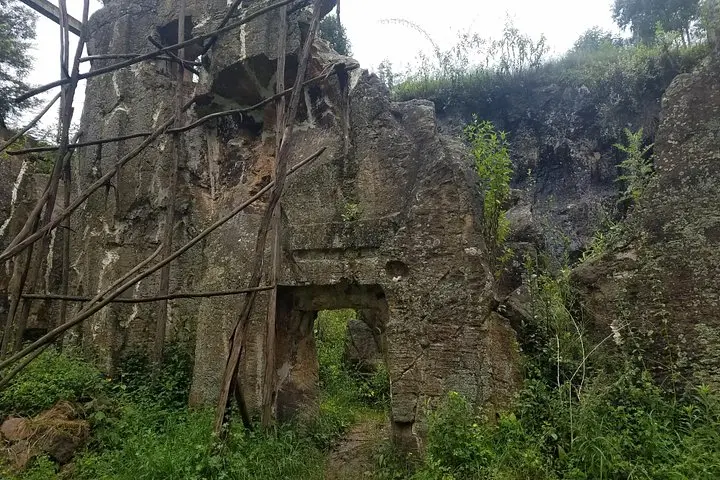
You crest a short urban ridge and the city noise thins; the slope opens to stone and scrub, and ahead a carved doorway darkens the rock face.
Verified experiences and guided adventures in the surrounding area.
Operated by ShebaLand Tour · Addis Ababa, Addis Ababa
You crest a short urban ridge and the city noise thins; the slope opens to stone and scrub, and ahead a carved doorway darkens the rock face.
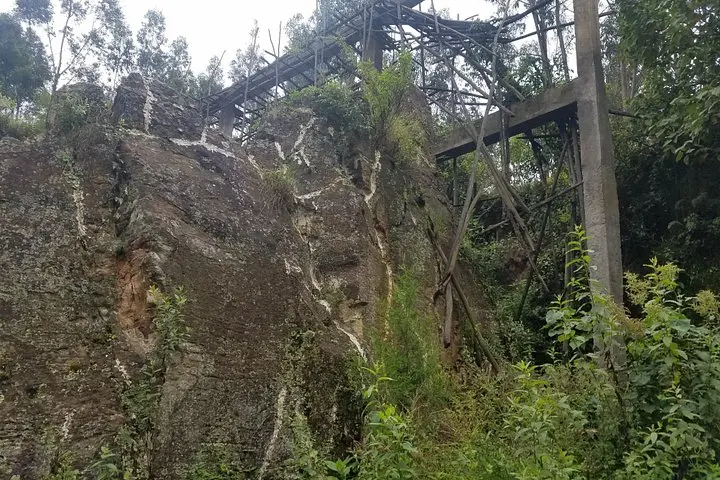
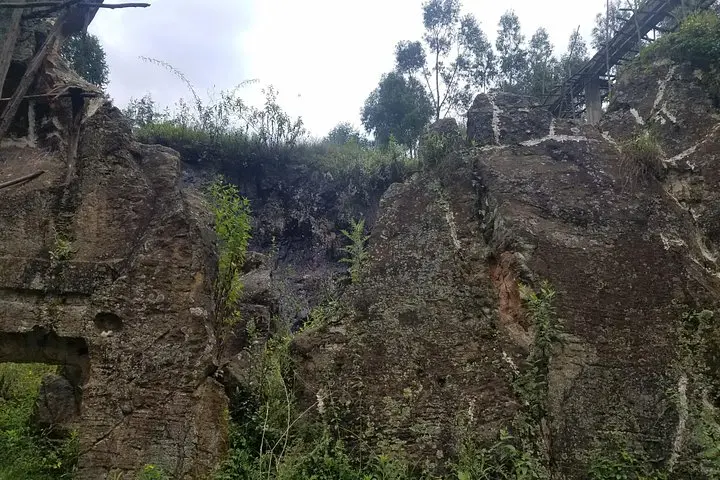
Washa Mikael (St. Mikael’s cave) is a semi-monolithic church—cut from a single slab of rock—dating back roughly to the 4th century AD. The design echoes the later, more famous Lalibela churches: an interior excavated into living stone with simple, sacred geometry. Geologically the site sits on ancient volcanic flows that have weathered into the steep, walkable slopes of Yeka Mountain.
Passing a few small villages on the approach, you’ll feel the blend of city and highland life: children tending goats, roadside coffee ritualists, and views that pull across Addis Ababa’s expanding skyline. After exploring the sunken nave and worn steps, the route continues to Melata Gara (Bold Hill), a short climb that opens panoramic views—best on descent when the city spreads below.
Expect a steady uphill path for roughly 40–60 minutes to reach the church level; elevation ranges from about 8,202 to 8,687 ft, so the air is noticeably cooler than the lowlands. The tour typically includes a local guide, entrance fee, a cup of Ethiopian coffee, bottled water, and pickup from a central meeting point.
Practical advice: hike early for cooler temperatures and clearer views; wear grippy shoes for uneven rock and loose soil; carry at least 1 L of water and a light layer for wind. Respect the sacred space—photograph thoughtfully—and leave no trace on the carved surfaces.
The uphill approach takes about 40–60 minutes from the Yeka Mikael church area; the full outing with visits and viewpoints is typically a half-day (4–6 hours).
The path is doable for older children and active older adults but includes uneven rock and some steeper sections—travelers should be steady on their feet.
Yes—entrance fee is typically included in guided tours; basic amenities are limited, though the tour often includes bottled water and a cup of Ethiopian coffee at a street-side stop.
Elevations are around 8,200–8,700 ft; most visitors notice mild breathlessness with exertion—pacing and hydration reduce discomfort.
ShebaLand Tour operates guided outdoor trips and adventures with an emphasis on safety, stewardship, and memorable experiences.
You crest a short urban ridge and the city noise thins; the slope opens to stone and scrub, and ahead a carved doorway darkens the rock face.
You crest a short urban ridge and the city noise thins; the slope opens to stone and scrub, and ahead a carved doorway darkens the rock face.
Washa Mikael (St. Mikael’s cave) is a semi-monolithic church—cut from a single slab of rock—dating back roughly to the 4th century AD. The design echoes the later, more famous Lalibela churches: an interior excavated into living stone with simple, sacred geometry. Geologically the site sits on ancient volcanic flows that have weathered into the steep, walkable slopes of Yeka Mountain.
Passing a few small villages on the approach, you’ll feel the blend of city and highland life: children tending goats, roadside coffee ritualists, and views that pull across Addis Ababa’s expanding skyline. After exploring the sunken nave and worn steps, the route continues to Melata Gara (Bold Hill), a short climb that opens panoramic views—best on descent when the city spreads below.
Expect a steady uphill path for roughly 40–60 minutes to reach the church level; elevation ranges from about 8,202 to 8,687 ft, so the air is noticeably cooler than the lowlands. The tour typically includes a local guide, entrance fee, a cup of Ethiopian coffee, bottled water, and pickup from a central meeting point.
Practical advice: hike early for cooler temperatures and clearer views; wear grippy shoes for uneven rock and loose soil; carry at least 1 L of water and a light layer for wind. Respect the sacred space—photograph thoughtfully—and leave no trace on the carved surfaces.