THE ADVENTURE COLLECTIVE® · Independent discovery and booking for outdoor travel

Walk ancient Inca trails with llamas and alpacas through the terraces of Chinchero in the Sacred Valley. This 4–5 hour guided trek pairs cultural exchange—textile demonstrations and a picnic—with highland scenery and manageable hiking on uneven terrain.
Walk ancient Inca trails with llamas and alpacas through the terraces of Chinchero in the Sacred Valley. This 4–5 hour guided trek pairs cultural exchange—textile demonstrations and a picnic—with highland scenery and manageable hiking on uneven terrain.
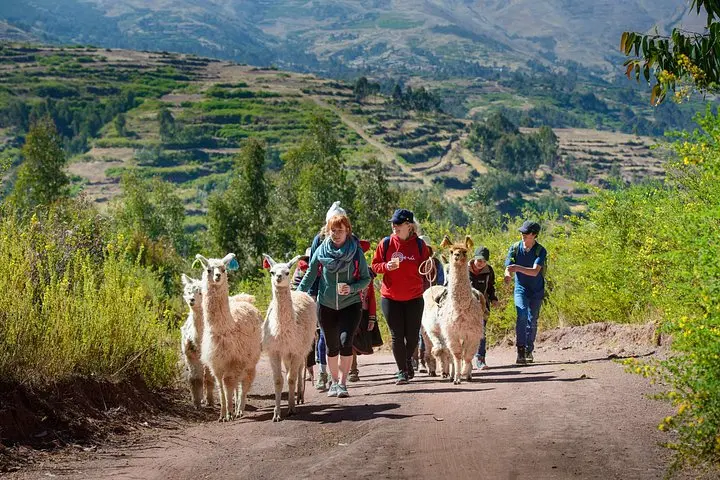
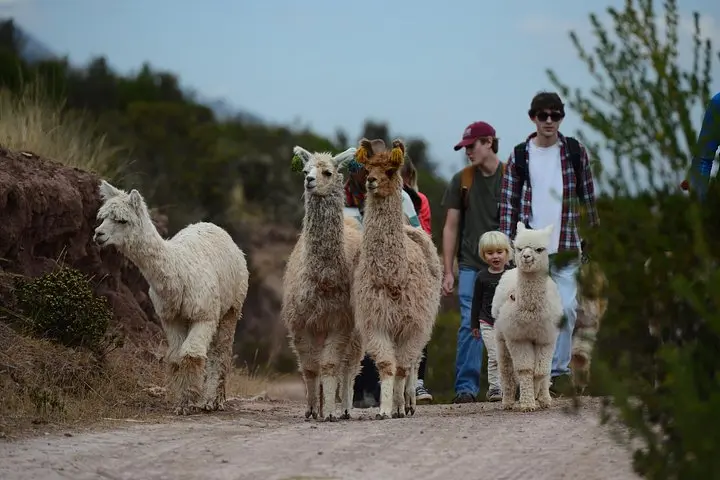
You meet at Cusco’s Plaza de Armas before dawn, the city’s stone cathedral still shadowed as the van climbs out of the valley. Within an hour the air thins and the terraces open—stone steps carved into the mountainside, fields folding toward distant glaciers. Llamas and alpacas wait like patient guides; their quiet presence sets the pace as you move along ancestral trails toward a crystalline lagoon.
Verified experiences and guided adventures in the surrounding area.
Operated by Alpaca Trek Adventures · Chinchero, Cusco
You meet at Cusco’s Plaza de Armas before dawn, the city’s stone cathedral still shadowed as the van climbs out of the valley. Within an hour the air thins and the terraces open—stone steps carved into the mountainside, fields folding toward distant glaciers. Llamas and alpacas wait like patient guides; their quiet presence sets the pace as you move along ancestral trails toward a crystalline lagoon.
The route follows sections of Inca roads that stitched highland communities together. Geology here is obvious: volcanic and metamorphic bedrock shaped by Pleistocene glaciers, leaving steep ridgelines and flat, irrigated terraces optimized for potato and quinoa cultivation. Chinchero itself carries both pre-Columbian and colonial layers—the town’s textile traditions and the 17th‑century church reflect a living cultural hybrid.
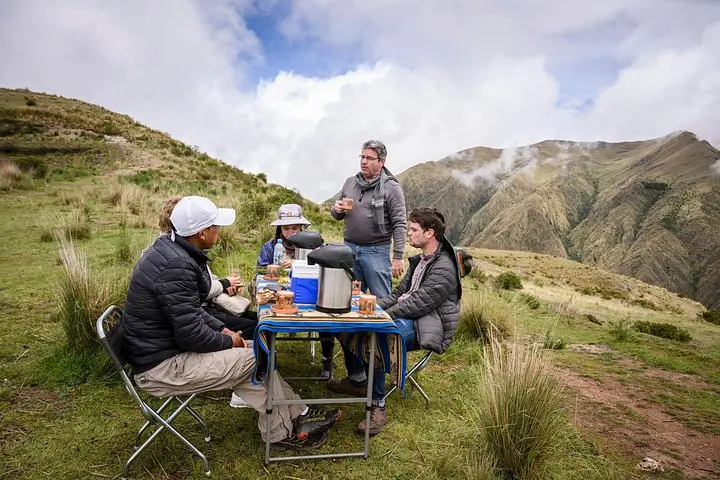
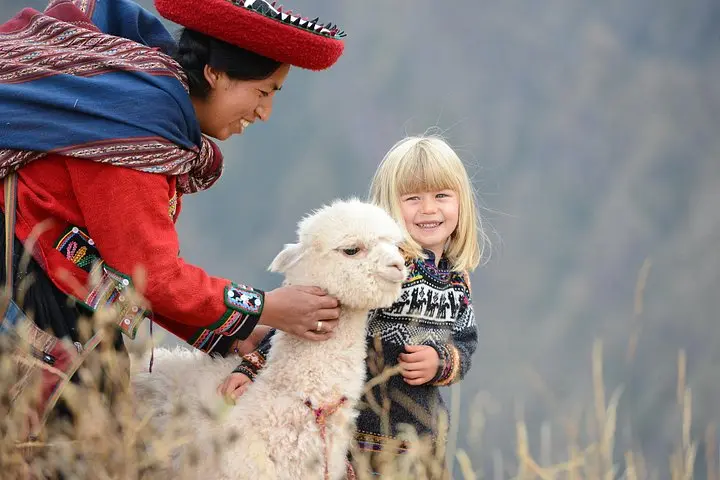
Expect 4–5 hours of walking on uneven dirt and stone paths, occasional short climbs and wide agricultural tracks. The guide arranges a picnic of local ingredients in the high pasture; time is given to meet the community and watch traditional weaving demonstrations. Llamas carry light gear and lend steady footing on narrow sections, but you’ll do most of the hiking on foot.
Practical guidance: acclimatize in Cusco for 24–48 hours to reduce altitude effects, carry sun protection and at least 2 liters of water, and wear ankle‑supporting footwear for rocky terrain. The dry season (May–September) offers the most stable weather and clearest views; afternoons can turn windy. Respect grazing areas and community rules—this is working landscape and cultural space as much as it is a hiking route.
The experience includes a 1‑hour drive from Cusco and about 4–5 hours of walking in the Sacred Valley, plus stops for a picnic and visits to Chinchero.
Llamas and alpacas carry light gear and picnic items; guests should carry a daypack with personal essentials only.
Yes—Cusco and Chinchero sit above 3,500 m. Plan to rest after arrival in Cusco, keep hydrated, and inform guides of any symptoms; medications like acetazolamide can help but consult your doctor first.
Children are generally allowed if they can manage several hours of walking at altitude—check the operator’s specific age and safety rules before booking.
Alpaca Trek Adventures operates guided outdoor trips and adventures with an emphasis on safety, stewardship, and memorable experiences.
You meet at Cusco’s Plaza de Armas before dawn, the city’s stone cathedral still shadowed as the van climbs out of the valley. Within an hour the air thins and the terraces open—stone steps carved into the mountainside, fields folding toward distant glaciers. Llamas and alpacas wait like patient guides; their quiet presence sets the pace as you move along ancestral trails toward a crystalline lagoon.
You meet at Cusco’s Plaza de Armas before dawn, the city’s stone cathedral still shadowed as the van climbs out of the valley. Within an hour the air thins and the terraces open—stone steps carved into the mountainside, fields folding toward distant glaciers. Llamas and alpacas wait like patient guides; their quiet presence sets the pace as you move along ancestral trails toward a crystalline lagoon.
The route follows sections of Inca roads that stitched highland communities together. Geology here is obvious: volcanic and metamorphic bedrock shaped by Pleistocene glaciers, leaving steep ridgelines and flat, irrigated terraces optimized for potato and quinoa cultivation. Chinchero itself carries both pre-Columbian and colonial layers—the town’s textile traditions and the 17th‑century church reflect a living cultural hybrid.
Expect 4–5 hours of walking on uneven dirt and stone paths, occasional short climbs and wide agricultural tracks. The guide arranges a picnic of local ingredients in the high pasture; time is given to meet the community and watch traditional weaving demonstrations. Llamas carry light gear and lend steady footing on narrow sections, but you’ll do most of the hiking on foot.
Practical guidance: acclimatize in Cusco for 24–48 hours to reduce altitude effects, carry sun protection and at least 2 liters of water, and wear ankle‑supporting footwear for rocky terrain. The dry season (May–September) offers the most stable weather and clearest views; afternoons can turn windy. Respect grazing areas and community rules—this is working landscape and cultural space as much as it is a hiking route.