THE ADVENTURE COLLECTIVE® · Independent discovery and booking for outdoor travel

Walk a short stretch of the Silk Road to Yangguan Pass, explore Han Dynasty wall remnants, and enjoy a farmer's lunch at an oasis vineyard. This private, full‑day outing from Dunhuang pairs accessible desert hiking with cultural history and straightforward logistics.
Walk a short stretch of the Silk Road to Yangguan Pass, explore Han Dynasty wall remnants, and enjoy a farmer's lunch at an oasis vineyard. This private, full‑day outing from Dunhuang pairs accessible desert hiking with cultural history and straightforward logistics.
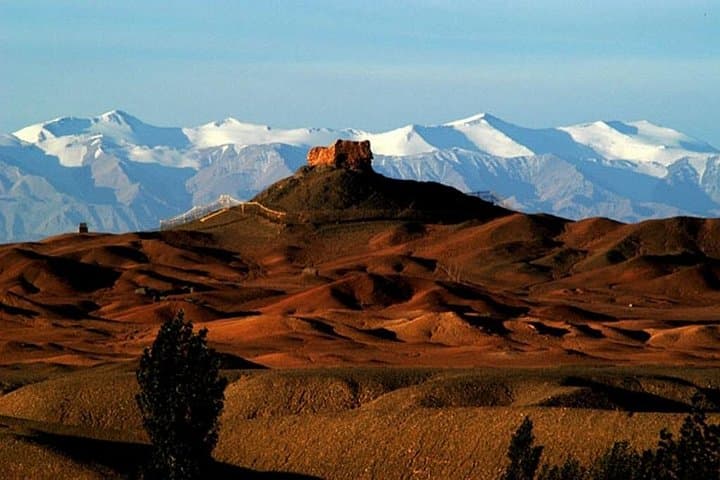
You step out of the air‑conditioned van and the desert air greets you—dry, cool at first light, then warming as the sun climbs. Sand plains roll toward a low line of dunes and a narrow crescent of green where an oasis holds a fringe of poplars and vineyards; this is the approach to Yangguan, one of the Silk Road's classic gateways.
Verified experiences and guided adventures in the surrounding area.
Operated by Silk Road Angel Tours · Dunhuang, Gansu
You step out of the air‑conditioned van and the desert air greets you—dry, cool at first light, then warming as the sun climbs. Sand plains roll toward a low line of dunes and a narrow crescent of green where an oasis holds a fringe of poplars and vineyards; this is the approach to Yangguan, one of the Silk Road's classic gateways.
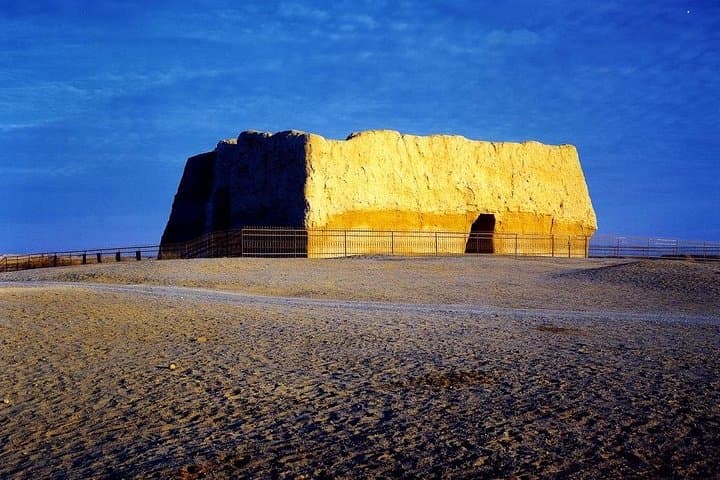
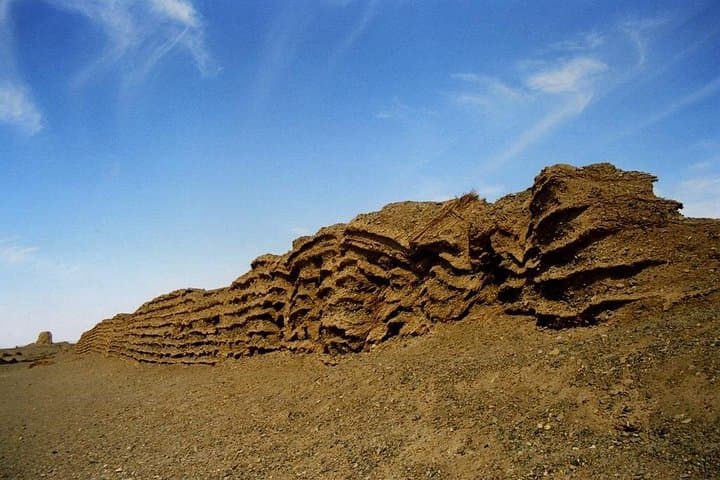
The trail follows an old caravan corridor. Geology here is simple but revealing: wind‑worked loess and compacted alluvial fans that preserve faint terraces and the remains of earthen ramparts. Historically Yangguan and nearby Yumen (Jade Gate) marked imperial boundaries and trading thresholds; the Han Dynasty's Great Wall fragments nearby were built with local sand and vegetation rather than stone, leaving low, layered ridges you can walk beside.
Culture persists in small gestures—a vineyard lunch at a farmers' restaurant, a printed "passport" souvenir from the local museum, and a guide who ties those archaeological lines back to daily life along the Silk Road.
Practical guidance: the hike is short—about 3–5 km one way and 1.5–2 hours on sandy, sometimes uneven ground—so wear sturdy boots with good ankle support and bring at least 1–2 liters of water. Expect temperature swings; dawn and late afternoon are the most comfortable. Photography is straightforward but bring a lens hood for glare from sand and a mask or bandana for gusts. The full experience is a 6–8 hour private day with transfers from Dunhuang and visits to Jade Gate and Han Dynasty wall remnants, returning by evening. This tour balances accessible hiking with on‑site history and desert landscapes that still feel like thresholds rather than endpoints.
The hike from the entrance to Yangguan Pass is roughly 3–5 km and typically takes 1.5–2 hours depending on pace and stops.
Yes—this tour is rated accessible for most fitness levels, though younger children should be supervised and everyone should be prepared for sandy terrain.
Admission to the Yangguan museum and site is included in the tour; your guide will handle on‑site arrangements and the souvenir "passport."
Bring sun protection, a small snack if you prefer, a camera with lens protection, and layers for variable temperatures; the tour includes lunch and bottled water.
Silk Road Angel Tours operates guided outdoor trips and adventures with an emphasis on safety, stewardship, and memorable experiences.
You step out of the air‑conditioned van and the desert air greets you—dry, cool at first light, then warming as the sun climbs. Sand plains roll toward a low line of dunes and a narrow crescent of green where an oasis holds a fringe of poplars and vineyards; this is the approach to Yangguan, one of the Silk Road's classic gateways.
You step out of the air‑conditioned van and the desert air greets you—dry, cool at first light, then warming as the sun climbs. Sand plains roll toward a low line of dunes and a narrow crescent of green where an oasis holds a fringe of poplars and vineyards; this is the approach to Yangguan, one of the Silk Road's classic gateways.
The trail follows an old caravan corridor. Geology here is simple but revealing: wind‑worked loess and compacted alluvial fans that preserve faint terraces and the remains of earthen ramparts. Historically Yangguan and nearby Yumen (Jade Gate) marked imperial boundaries and trading thresholds; the Han Dynasty's Great Wall fragments nearby were built with local sand and vegetation rather than stone, leaving low, layered ridges you can walk beside.
Culture persists in small gestures—a vineyard lunch at a farmers' restaurant, a printed "passport" souvenir from the local museum, and a guide who ties those archaeological lines back to daily life along the Silk Road.
Practical guidance: the hike is short—about 3–5 km one way and 1.5–2 hours on sandy, sometimes uneven ground—so wear sturdy boots with good ankle support and bring at least 1–2 liters of water. Expect temperature swings; dawn and late afternoon are the most comfortable. Photography is straightforward but bring a lens hood for glare from sand and a mask or bandana for gusts. The full experience is a 6–8 hour private day with transfers from Dunhuang and visits to Jade Gate and Han Dynasty wall remnants, returning by evening. This tour balances accessible hiking with on‑site history and desert landscapes that still feel like thresholds rather than endpoints.