THE ADVENTURE COLLECTIVE® · Independent discovery and booking for outdoor travel

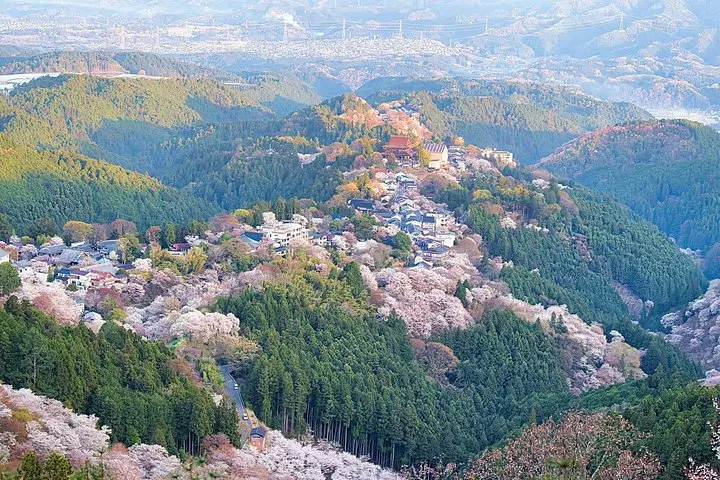
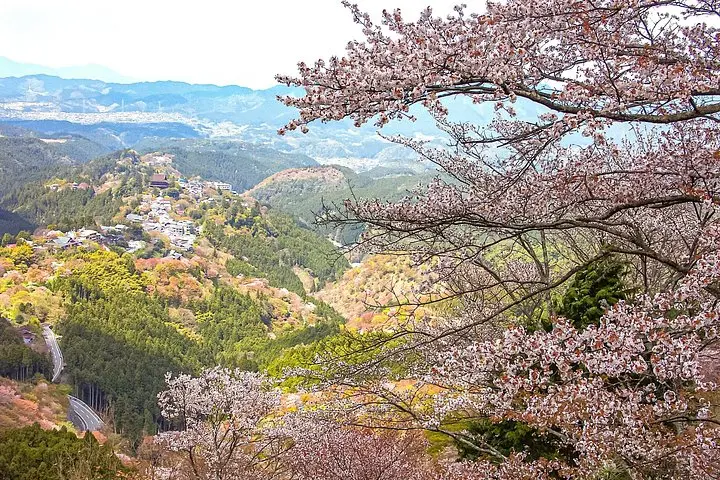
Walk historic mountain paths beneath 30,000 cherry trees on a guided 8 km hike of Yoshinoyama. Experience shrine halls, layered cherry zones and views while a local guide explains centuries of cultural meaning.
Walk historic mountain paths beneath 30,000 cherry trees on a guided 8 km hike of Yoshinoyama. Experience shrine halls, layered cherry zones and views while a local guide explains centuries of cultural meaning.
You step onto a narrow stone path and the slope opens into a river of pale pink—rows of cherry trees arch over a centuries-old trail, petals drifting like slow snow.
Verified experiences and guided adventures in the surrounding area.
Operated by Trip Designer Inc. · Yoshino, Nara Prefecture
You step onto a narrow stone path and the slope opens into a river of pale pink—rows of cherry trees arch over a centuries-old trail, petals drifting like slow snow.
Mount Yoshino has drawn viewers for a thousand years; emperors, poets and pilgrims chose these switchbacks to watch the seasons change. The route on this guided 8 km hike moves between temple precincts, cedar stands and cultivated cherry terraces, with short climbs that rise roughly 200–400 m above the valley floor depending on your start point.
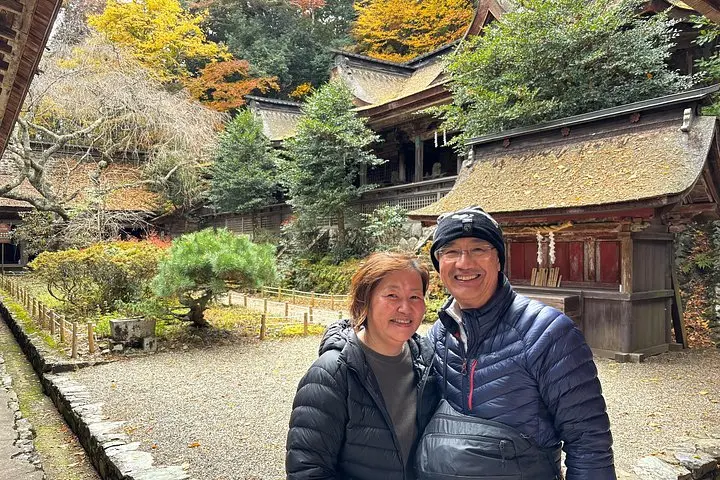
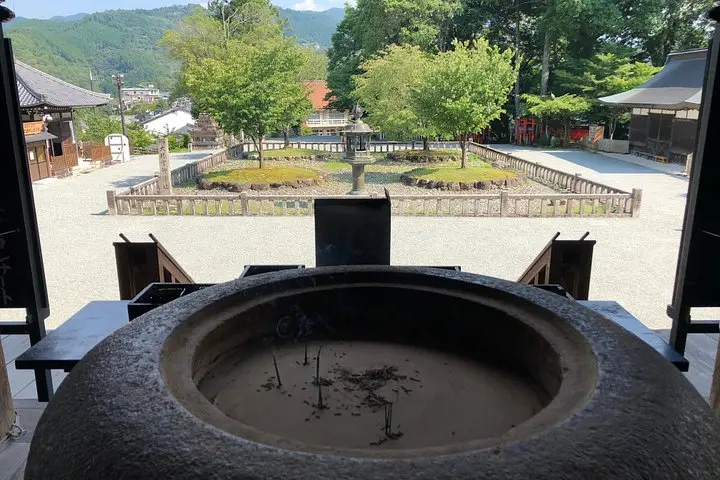
Geologically the mountain is a modest dome of schist and volcanic sediments, its soils favoring the cherry cultivars planted in distinct bands (lower, middle and upper senbon). Culturally it’s also a Shugendō landscape—Kinpusen-ji temple and smaller mountain shrines anchor religious practice and offer wood-carved halls and quiet courtyards to explore.
Expect a mix of singletrack, paved shrine approaches and stone staircases; underfoot can be uneven and damp in spring. A local guide outlines the history of the Asuka and Nara periods, explains temple etiquette and points out quiet viewpoints away from the busiest promenade.
Practical side: go early in peak bloom for softer light and fewer crowds, bring layers for wind on exposed ridges, and carry water—the route is five hours with moderate to sustained effort. Wear grippy hiking shoes and respect temple rules: no climbing on altars, and keep noise low. If you visit outside March–April, the same trails reward with fresh green or autumn color but give a different, quieter feeling to the mountain.
Peak bloom typically falls between late March and early April, but exact timing varies year to year—check local forecasts and plan with some date flexibility.
Most visitors travel via Kintetsu Railway to Yoshino Station from Osaka or Nara; the trailhead is a short local bus, ropeway or walk from the station depending on the starting point.
The route is physically demanding with stairs and uneven terrain; fit older adults and active children can do it, but it’s not recommended for those with serious mobility issues or very young kids.
Operators typically require 24-hour notice for a full refund; confirm at booking and note tours may be canceled for bad weather.
Trip Designer Inc. operates guided outdoor trips and adventures with an emphasis on safety, stewardship, and memorable experiences.
You step onto a narrow stone path and the slope opens into a river of pale pink—rows of cherry trees arch over a centuries-old trail, petals drifting like slow snow.
You step onto a narrow stone path and the slope opens into a river of pale pink—rows of cherry trees arch over a centuries-old trail, petals drifting like slow snow.
Mount Yoshino has drawn viewers for a thousand years; emperors, poets and pilgrims chose these switchbacks to watch the seasons change. The route on this guided 8 km hike moves between temple precincts, cedar stands and cultivated cherry terraces, with short climbs that rise roughly 200–400 m above the valley floor depending on your start point.
Geologically the mountain is a modest dome of schist and volcanic sediments, its soils favoring the cherry cultivars planted in distinct bands (lower, middle and upper senbon). Culturally it’s also a Shugendō landscape—Kinpusen-ji temple and smaller mountain shrines anchor religious practice and offer wood-carved halls and quiet courtyards to explore.
Expect a mix of singletrack, paved shrine approaches and stone staircases; underfoot can be uneven and damp in spring. A local guide outlines the history of the Asuka and Nara periods, explains temple etiquette and points out quiet viewpoints away from the busiest promenade.
Practical side: go early in peak bloom for softer light and fewer crowds, bring layers for wind on exposed ridges, and carry water—the route is five hours with moderate to sustained effort. Wear grippy hiking shoes and respect temple rules: no climbing on altars, and keep noise low. If you visit outside March–April, the same trails reward with fresh green or autumn color but give a different, quieter feeling to the mountain.