THE ADVENTURE COLLECTIVE® · Independent discovery and booking for outdoor travel

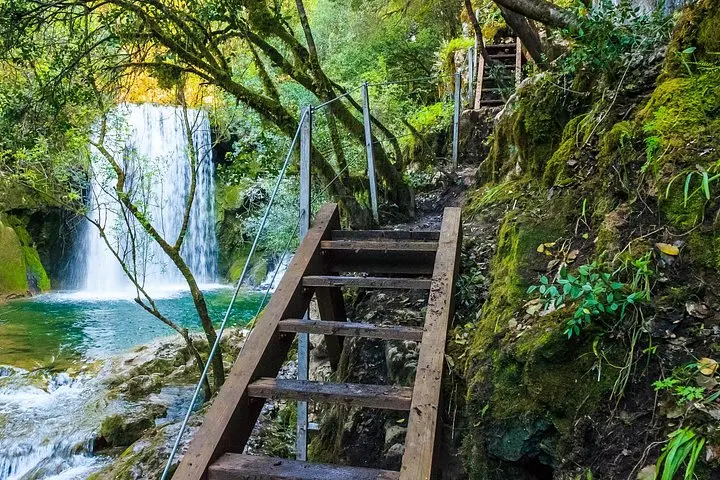
Spend a morning moving from the mosaicked streets of Conímbriga into the Mouros River valley, where a riverside trail leads to a waterfall once used by Romans. This 10 km hike mixes archaeology, limestone geology and a small mountain village at the Sicó foothills.
Spend a morning moving from the mosaicked streets of Conímbriga into the Mouros River valley, where a riverside trail leads to a waterfall once used by Romans. This 10 km hike mixes archaeology, limestone geology and a small mountain village at the Sicó foothills.
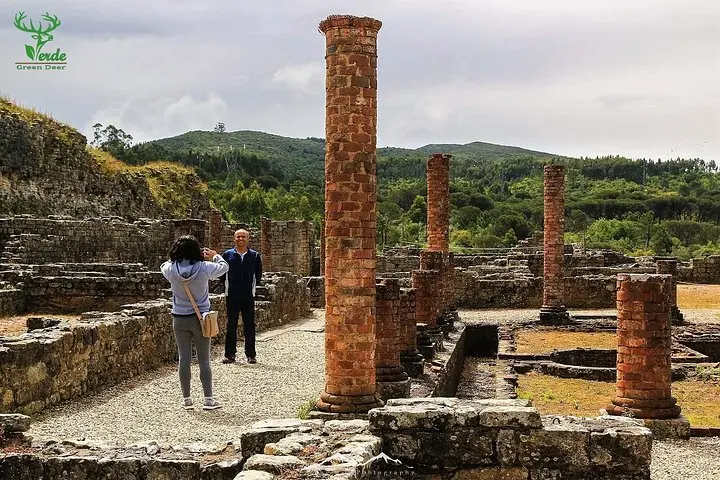
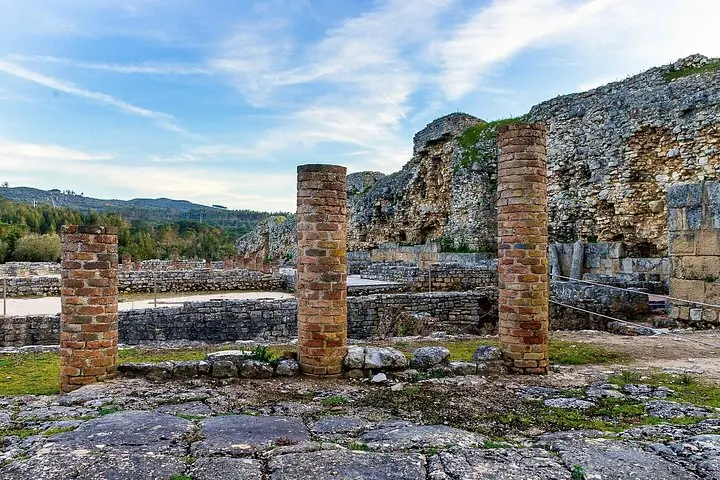
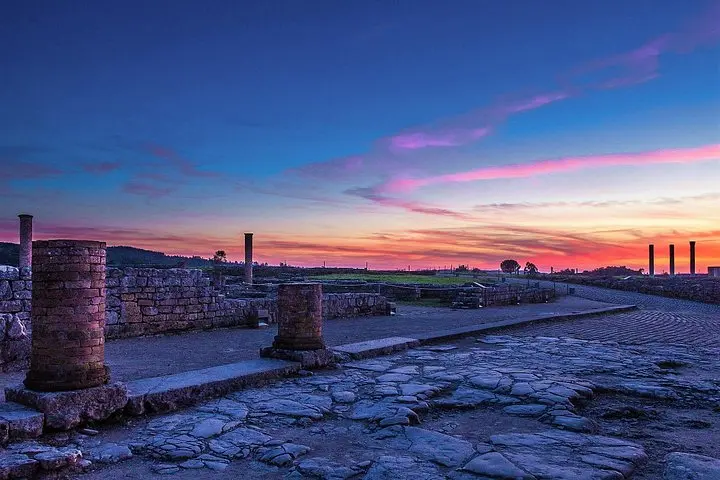
You step out under a low, cool sky and the ground drops toward the Mouros River, its current nudging you downstream as it threads the valley. The day begins at Conímbriga’s excavated streets—mosaic floors and carved fountains that anchor your walk in a living Roman past—before the route loosens into riverbank trail and limestone slopes beneath Sicó Mountain.
Verified experiences and guided adventures in the surrounding area.
Operated by Veado Verde / Green Deer · Condeixa-a-Nova, Coimbra District
You step out under a low, cool sky and the ground drops toward the Mouros River, its current nudging you downstream as it threads the valley. The day begins at Conímbriga’s excavated streets—mosaic floors and carved fountains that anchor your walk in a living Roman past—before the route loosens into riverbank trail and limestone slopes beneath Sicó Mountain.
Conímbriga was occupied from prehistory and expanded under Roman rule from 139 BC, its forum, baths and villa mosaics reflecting daily life in Lusitania. Geologically, the Sicó range is Jurassic limestone; expect karst outcrops, narrow gorges and springs that feed the Mouros. Cultural notes appear in small ways: a roadside chapel, stone shepherd walls and a village where traditional agriculture still shapes the landscape.
The hike is roughly 10 km and follows the river for much of the route, including a shaded approach to the waterfall where Romans once bathed. Terrain alternates packed earth, river stones and brief farm tracks, with gentle rises as you pass the village at the Sicó foothills.
Practical guidance: plan for 3–4 hours, wear grippy shoes for wet river sections, and carry at least 1.5 liters of water. Mornings keep the light soft for mosaics and waterfall pools; late afternoon brings cooler temperatures and long shadows across the valley. The operator offers private transport and optional hotel pickup; museum entrance is separate. Respect marked paths around archaeological zones and leave no trace along the riverbanks to protect both ruins and riparian habitat.
The guided route covers about 10 km and typically takes 3–4 hours; terrain is mostly riverside paths with some uneven, rocky sections—rated moderate.
No, museum and archaeological-park admission are not included in the tour price and can be purchased on site if you wish to enter the ruins and museum exhibits.
Private transport and optional hotel pickup/drop-off are offered by the operator; confirm your pickup point when booking.
The tour is described as suitable for a range of fitness levels, but riverbank sections and uneven ground may be difficult for limited mobility—contact the operator to discuss accessibility and escort options.
Veado Verde / Green Deer operates guided outdoor trips and adventures with an emphasis on safety, stewardship, and memorable experiences.
You step out under a low, cool sky and the ground drops toward the Mouros River, its current nudging you downstream as it threads the valley. The day begins at Conímbriga’s excavated streets—mosaic floors and carved fountains that anchor your walk in a living Roman past—before the route loosens into riverbank trail and limestone slopes beneath Sicó Mountain.
You step out under a low, cool sky and the ground drops toward the Mouros River, its current nudging you downstream as it threads the valley. The day begins at Conímbriga’s excavated streets—mosaic floors and carved fountains that anchor your walk in a living Roman past—before the route loosens into riverbank trail and limestone slopes beneath Sicó Mountain.
Conímbriga was occupied from prehistory and expanded under Roman rule from 139 BC, its forum, baths and villa mosaics reflecting daily life in Lusitania. Geologically, the Sicó range is Jurassic limestone; expect karst outcrops, narrow gorges and springs that feed the Mouros. Cultural notes appear in small ways: a roadside chapel, stone shepherd walls and a village where traditional agriculture still shapes the landscape.
The hike is roughly 10 km and follows the river for much of the route, including a shaded approach to the waterfall where Romans once bathed. Terrain alternates packed earth, river stones and brief farm tracks, with gentle rises as you pass the village at the Sicó foothills.
Practical guidance: plan for 3–4 hours, wear grippy shoes for wet river sections, and carry at least 1.5 liters of water. Mornings keep the light soft for mosaics and waterfall pools; late afternoon brings cooler temperatures and long shadows across the valley. The operator offers private transport and optional hotel pickup; museum entrance is separate. Respect marked paths around archaeological zones and leave no trace along the riverbanks to protect both ruins and riparian habitat.