THE ADVENTURE COLLECTIVE® · Independent discovery and booking for outdoor travel

A one‑day guided circuit around Isla de Lobos that combines volcanic summits, Roman ruins and natural swimming pools. Expect 6–7 hours of varied terrain, full sea views and a paella lunch at the island’s lone restaurant.
A one‑day guided circuit around Isla de Lobos that combines volcanic summits, Roman ruins and natural swimming pools. Expect 6–7 hours of varied terrain, full sea views and a paella lunch at the island’s lone restaurant.
The ferry slips away from Corralejo and the Atlantic spreads out like a clean sheet of glass; Isla de Lobos rises ahead, a low crown of black rock and scrub that dares you ashore.
Verified experiences and guided adventures in the surrounding area.
Operated by VIMOTIONS · Corralejo, Fuerteventura
The ferry slips away from Corralejo and the Atlantic spreads out like a clean sheet of glass; Isla de Lobos rises ahead, a low crown of black rock and scrub that dares you ashore.
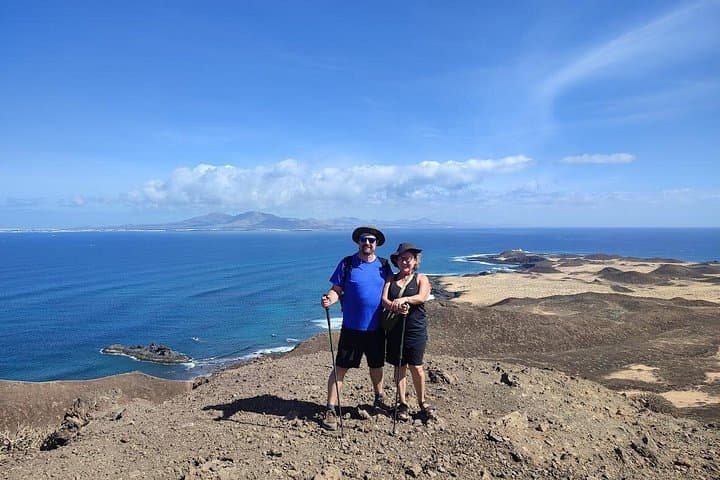
On this full-day route visitors circle the island on foot, moving from sheltered bays to the summit of La Caldera — a 127‑meter volcanic cone that rewards a steady climb with broad views of Fuerteventura and the Canary current glinting below. Paths wind across volcanic sand, compact rock and short stretches of loose scree; wind and sun shape every step.
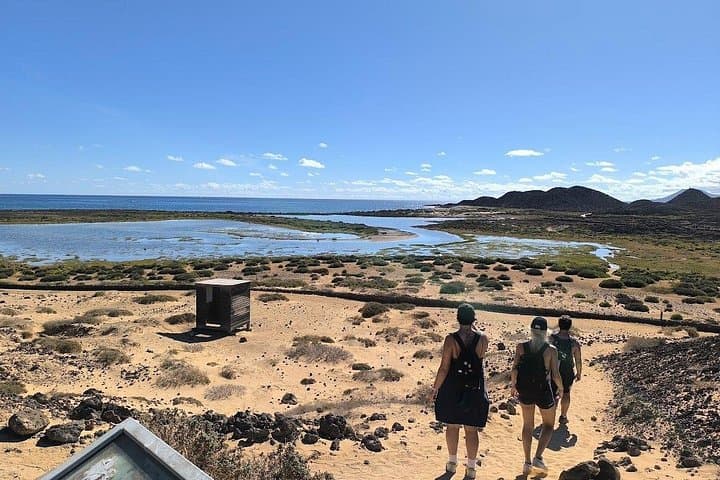
History threads through the landscape: Roman remnants near La Concha hint at an ancient industry of purple dye, and the island’s name recalls monk seals that once hauled onto these shores. Geologically, the island is a young volcanic outcrop — basalt ridges, pumice pockets and salt flats at Las Lagunitas where seawater collects and plants colonize the margins.
Culturally, the old fishing hamlet of El Puertito and the Martiño Lighthouse speak to a life tied to the sea; a paella at the single island restaurant closes the circuit with local flavor and coastal views.
Practically, expect a 15‑minute ferry, guided walking for about 6–7 hours including stops, and a mix of exposed ridgelines and easy shoreline paths. Bring sun protection, windproof layers and sturdy footwear; reserve lunch ahead and carry 1–2 liters of water. The route is accessible to hikers of moderate fitness and rewards steady pacing with swims in natural pools, archaeology, and a compact, wild island that feels far from shore while only minutes away.
The public ferry crossing to Isla de Lobos takes about 15 minutes each way; tour departures typically meet at the port 15–30 minutes before.
The route is guided and requires moderate fitness; beginners with reasonable stamina can manage it if comfortable with a few steeper sections and up to 7 hours on foot.
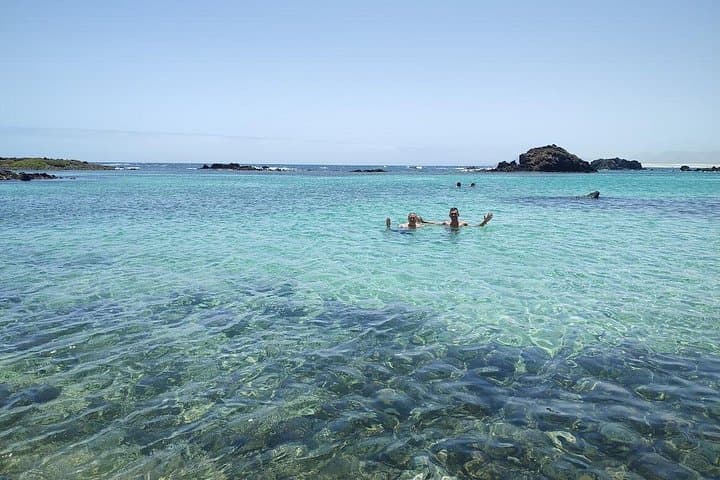
Yes—El Puertito has natural pools and La Concha offers calm bay waters; bring swimwear and water shoes for rocky entries.
There is one restaurant near the main beach serving paella and drinks and basic restroom facilities; reserve meals ahead as options are limited.
VIMOTIONS operates guided outdoor trips and adventures with an emphasis on safety, stewardship, and memorable experiences.

The ferry slips away from Corralejo and the Atlantic spreads out like a clean sheet of glass; Isla de Lobos rises ahead, a low crown of black rock and scrub that dares you ashore.
The ferry slips away from Corralejo and the Atlantic spreads out like a clean sheet of glass; Isla de Lobos rises ahead, a low crown of black rock and scrub that dares you ashore.
On this full-day route visitors circle the island on foot, moving from sheltered bays to the summit of La Caldera — a 127‑meter volcanic cone that rewards a steady climb with broad views of Fuerteventura and the Canary current glinting below. Paths wind across volcanic sand, compact rock and short stretches of loose scree; wind and sun shape every step.
History threads through the landscape: Roman remnants near La Concha hint at an ancient industry of purple dye, and the island’s name recalls monk seals that once hauled onto these shores. Geologically, the island is a young volcanic outcrop — basalt ridges, pumice pockets and salt flats at Las Lagunitas where seawater collects and plants colonize the margins.
Culturally, the old fishing hamlet of El Puertito and the Martiño Lighthouse speak to a life tied to the sea; a paella at the single island restaurant closes the circuit with local flavor and coastal views.
Practically, expect a 15‑minute ferry, guided walking for about 6–7 hours including stops, and a mix of exposed ridgelines and easy shoreline paths. Bring sun protection, windproof layers and sturdy footwear; reserve lunch ahead and carry 1–2 liters of water. The route is accessible to hikers of moderate fitness and rewards steady pacing with swims in natural pools, archaeology, and a compact, wild island that feels far from shore while only minutes away.