THE ADVENTURE COLLECTIVE® · Independent discovery and booking for outdoor travel

Walk 8.9 km through La Geria’s volcanic vineyards, learn how farmers turned lapilli into vineyards, and finish with a Malvasía tasting at a historic bodega. This small-group tour mixes geology, history, and practical hiking across a unique volcanic landscape.
Walk 8.9 km through La Geria’s volcanic vineyards, learn how farmers turned lapilli into vineyards, and finish with a Malvasía tasting at a historic bodega. This small-group tour mixes geology, history, and practical hiking across a unique volcanic landscape.
A low wind skims the black, granular soil as the group sets off across terraces of stone and volcanic gravel. The path threads between semicircular stone walls that cup the trunks of tough, twisted vines—each hole in the earth a small fortress against the Atlantic wind. Guides point out the delicate Malvasía vines, their leaves bright against fields of picón, the lapilli that stores scarce moisture and gives La Geria its otherworldly look.
Verified experiences and guided adventures in the surrounding area.
Operated by Blackstone Treks Tours · Yaiza, Las Palmas
A low wind skims the black, granular soil as the group sets off across terraces of stone and volcanic gravel. The path threads between semicircular stone walls that cup the trunks of tough, twisted vines—each hole in the earth a small fortress against the Atlantic wind. Guides point out the delicate Malvasía vines, their leaves bright against fields of picón, the lapilli that stores scarce moisture and gives La Geria its otherworldly look.
This landscape is shaped by fire: the 18th-century eruptions around Timanfaya blanketed the plain in ash and pumice and forced farmers to invent a new viticulture. Rather than fight the volcanic surface, they planted in hollows and built low stone crescents to shelter vines from gusts and to trap dew. Bodegas such as Rubicón turned that ingenuity into internationally awarded wines—visitors typically sample Malvasía at a tasting stop after the walk.
Practicalities are straightforward. The route covers about 8.9 km over mostly firm, uneven volcanic gravel and compact dirt, taking roughly 4½–5 hours including transfers and a tasting break. Elevation gain is minimal, but the surface can be loose; ankle-support footwear helps. Expect open exposure to sun and wind—bring layered sun protection and at least 1–1.5 liters of water. Small-group transport from Puerto del Carmen and other resorts is usually included, and multilingual guides present local geology, farming traditions, and winemaking techniques.
This is an accessible, sensory hike: the earth seems to hold its heat, the wind dares you forward, and the wine at the end rewards the slow taking-in of a place turned to productive resilience.
The guided route is about 8.9 km with minimal elevation gain; footing on volcanic gravel can be uneven, so it's rated easy-to-moderate and takes roughly 4.5–5 hours including transfers and tasting.
Yes — the tour typically includes a tasting of local Malvasía wines and cheese at a bodega such as Bodega Rubicón.
Complimentary transfers are usually provided from main resort areas (Puerto del Carmen, Costa Teguise, Arrecife, Puerto Calero); check at booking if you’re outside those areas.
Children can join if accompanied by an adult; the uneven terrain and loose gravel make the route unsuitable for wheelchairs and challenging for limited-mobility travelers.
Blackstone Treks Tours operates guided outdoor trips and adventures with an emphasis on safety, stewardship, and memorable experiences.
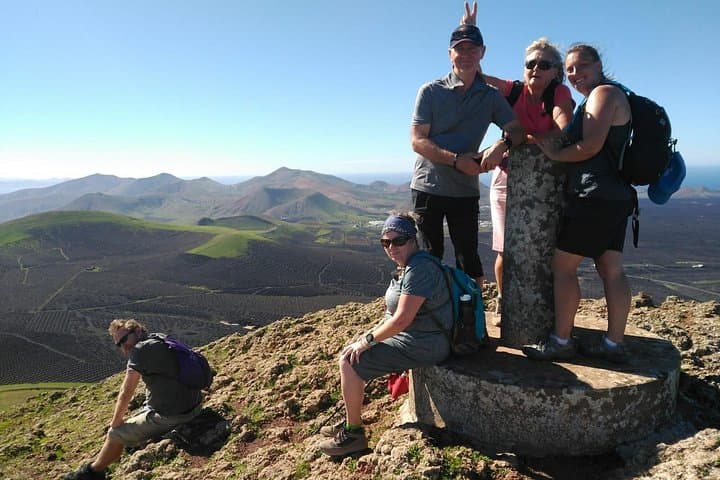
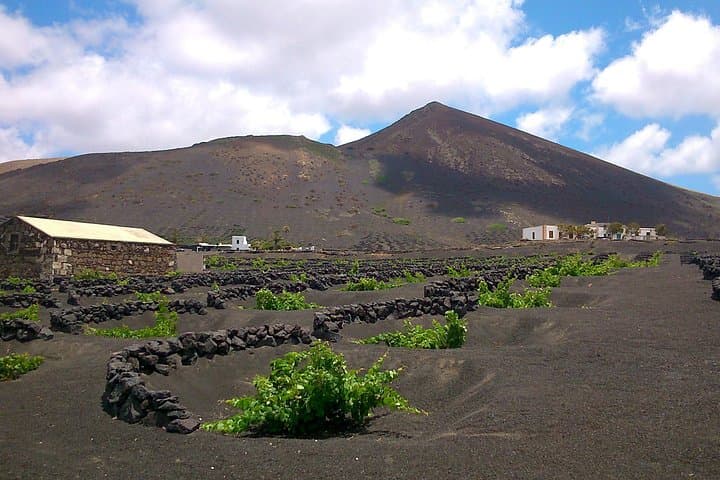
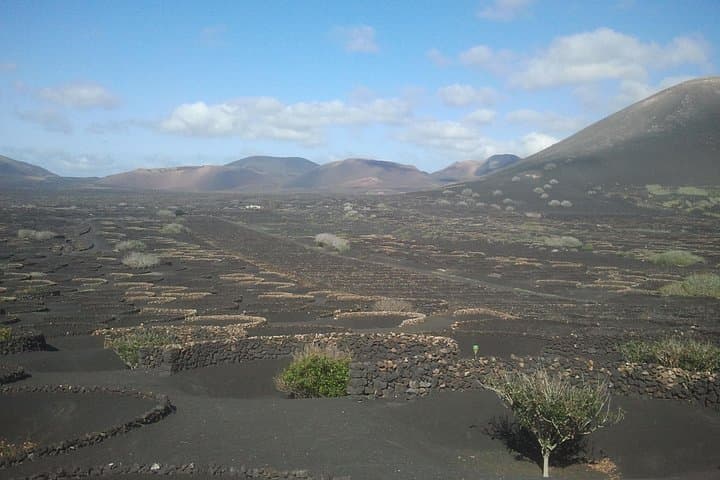
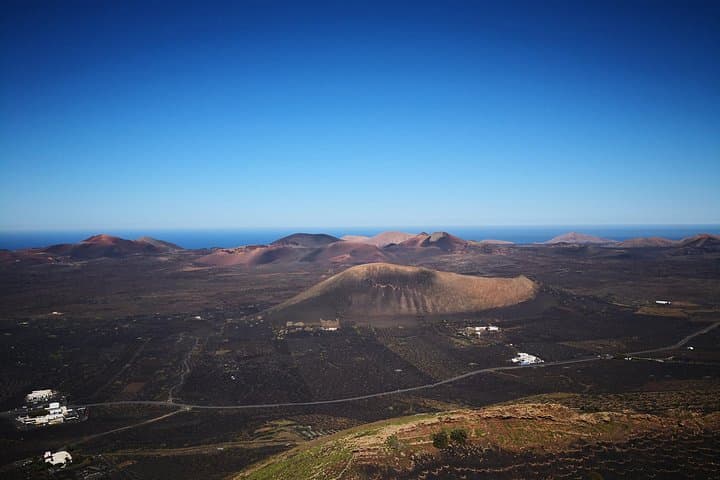
A low wind skims the black, granular soil as the group sets off across terraces of stone and volcanic gravel. The path threads between semicircular stone walls that cup the trunks of tough, twisted vines—each hole in the earth a small fortress against the Atlantic wind. Guides point out the delicate Malvasía vines, their leaves bright against fields of picón, the lapilli that stores scarce moisture and gives La Geria its otherworldly look.
A low wind skims the black, granular soil as the group sets off across terraces of stone and volcanic gravel. The path threads between semicircular stone walls that cup the trunks of tough, twisted vines—each hole in the earth a small fortress against the Atlantic wind. Guides point out the delicate Malvasía vines, their leaves bright against fields of picón, the lapilli that stores scarce moisture and gives La Geria its otherworldly look.
This landscape is shaped by fire: the 18th-century eruptions around Timanfaya blanketed the plain in ash and pumice and forced farmers to invent a new viticulture. Rather than fight the volcanic surface, they planted in hollows and built low stone crescents to shelter vines from gusts and to trap dew. Bodegas such as Rubicón turned that ingenuity into internationally awarded wines—visitors typically sample Malvasía at a tasting stop after the walk.
Practicalities are straightforward. The route covers about 8.9 km over mostly firm, uneven volcanic gravel and compact dirt, taking roughly 4½–5 hours including transfers and a tasting break. Elevation gain is minimal, but the surface can be loose; ankle-support footwear helps. Expect open exposure to sun and wind—bring layered sun protection and at least 1–1.5 liters of water. Small-group transport from Puerto del Carmen and other resorts is usually included, and multilingual guides present local geology, farming traditions, and winemaking techniques.
This is an accessible, sensory hike: the earth seems to hold its heat, the wind dares you forward, and the wine at the end rewards the slow taking-in of a place turned to productive resilience.