THE ADVENTURE COLLECTIVE® · Independent discovery and booking for outdoor travel

Climb Le Morne Brabant for a compact, dramatic ascent that pairs sweeping ocean views with a powerful cultural history. This 4–5 hour trek mixes firm trails, short scrambles and protected upper reaches accessible with authorized guides.
Climb Le Morne Brabant for a compact, dramatic ascent that pairs sweeping ocean views with a powerful cultural history. This 4–5 hour trek mixes firm trails, short scrambles and protected upper reaches accessible with authorized guides.
Morning light catches the basalt flank of Le Morne Brabant and the sea below seems to hold its breath — the climb begins where scrub meets sheer rock.
Verified experiences and guided adventures in the surrounding area.
Operated by Ken taxi service Mauritius · Le Morne, Rivière Noire
Morning light catches the basalt flank of Le Morne Brabant and the sea below seems to hold its breath — the climb begins where scrub meets sheer rock.
This 556‑m volcanic monolith at Mauritius’ southwestern tip is both a geological marker and a cultural landscape. The cliff formed from ancient lava flows, then weathered into steep ridges that funnel sea breezes up toward the summit. Local history is palpable: Le Morne is a UNESCO World Heritage site, honored for its role as a refuge for runaway slaves in the 18th–19th centuries; plaques at the base outline that fraught past.
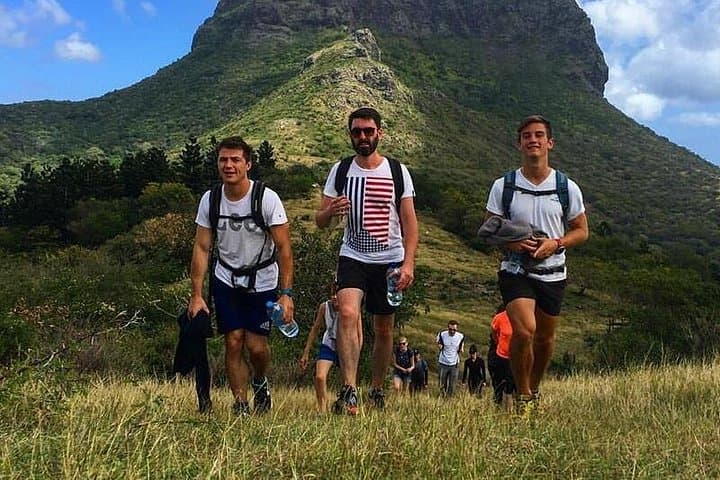
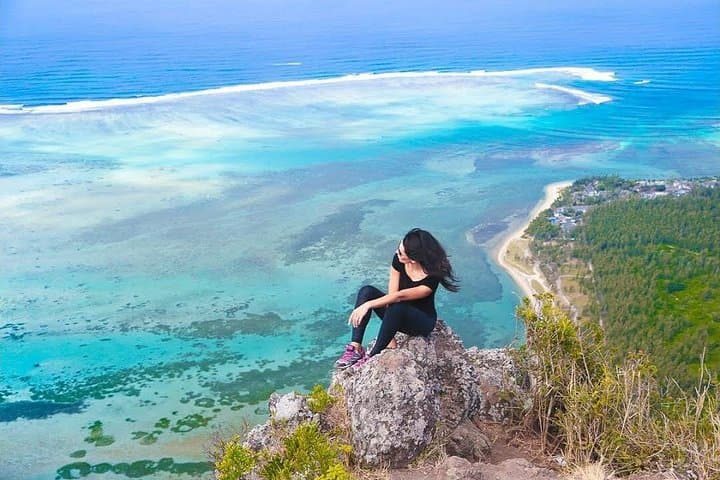
The trail alternates packed earth, exposed roots and short sections of hands‑on scrambling; views unwrap quickly — lagoon blue, sugarcane fields and the distant Indian Ocean. Guides are required for the restricted upper sections that protect sensitive heritage and fragile vegetation; without an authorized guide you can still reach viewpoints on the main route.
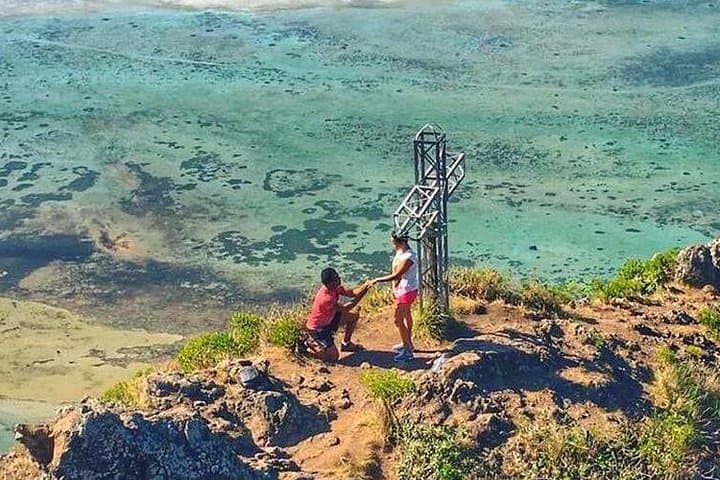
Expect hot, sun‑exposed stretches and sudden gusts near the crest — the mountain shapes the wind as surely as it shapes the view. Hydrate often, move deliberately on steeper rock, and allow time at the summit to take in the panorama and the memorial at the foot of the rise.
Practical: plan 4–5 hours door‑to‑door, wear sturdy shoes, bring 1.5–2 liters of water, sun protection and a light layer for wind. Early starts avoid crowds and heat; private transfers often meet at resorts in Le Morne or nearby Flic‑en‑Flac.
You can access the main trail to several viewpoints without an authorized guide, but the upper, culturally sensitive sections and some summit routes are restricted and require a licensed guide.
Expect a moderate outing of 4–5 hours round trip door‑to‑door; the trail has steep pitches and short hands‑on sections but no technical climbing gear is required for the main route.
Facilities are limited at the trailhead and there is no potable water on the mountain — bring your own water and use facilities before you start.
Children with steady footing can do parts of the trail, but the route is not recommended for people with significant spinal, heart or pregnancy limitations; consult your doctor and consider hiring a guide for extra safety.
Ken taxi service Mauritius operates guided outdoor trips and adventures with an emphasis on safety, stewardship, and memorable experiences.
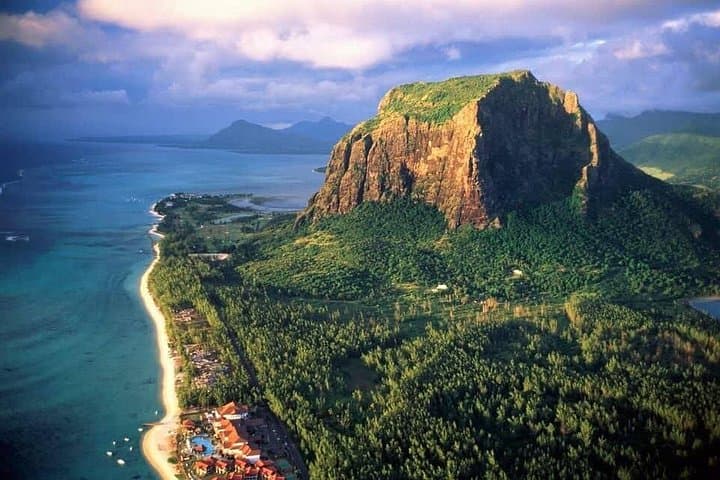
Morning light catches the basalt flank of Le Morne Brabant and the sea below seems to hold its breath — the climb begins where scrub meets sheer rock.
Morning light catches the basalt flank of Le Morne Brabant and the sea below seems to hold its breath — the climb begins where scrub meets sheer rock.
This 556‑m volcanic monolith at Mauritius’ southwestern tip is both a geological marker and a cultural landscape. The cliff formed from ancient lava flows, then weathered into steep ridges that funnel sea breezes up toward the summit. Local history is palpable: Le Morne is a UNESCO World Heritage site, honored for its role as a refuge for runaway slaves in the 18th–19th centuries; plaques at the base outline that fraught past.
The trail alternates packed earth, exposed roots and short sections of hands‑on scrambling; views unwrap quickly — lagoon blue, sugarcane fields and the distant Indian Ocean. Guides are required for the restricted upper sections that protect sensitive heritage and fragile vegetation; without an authorized guide you can still reach viewpoints on the main route.
Expect hot, sun‑exposed stretches and sudden gusts near the crest — the mountain shapes the wind as surely as it shapes the view. Hydrate often, move deliberately on steeper rock, and allow time at the summit to take in the panorama and the memorial at the foot of the rise.
Practical: plan 4–5 hours door‑to‑door, wear sturdy shoes, bring 1.5–2 liters of water, sun protection and a light layer for wind. Early starts avoid crowds and heat; private transfers often meet at resorts in Le Morne or nearby Flic‑en‑Flac.