THE ADVENTURE COLLECTIVE® · Independent discovery and booking for outdoor travel

Walk from Kastraki beneath Meteora’s soaring rock pillars to the Great Meteoron and the secluded Ypapantis monastery. This 4‑hour guided loop blends geology, Byzantine monastic history, and sweeping valley views with manageable trails and clear logistical needs.
Walk from Kastraki beneath Meteora’s soaring rock pillars to the Great Meteoron and the secluded Ypapantis monastery. This 4‑hour guided loop blends geology, Byzantine monastic history, and sweeping valley views with manageable trails and clear logistical needs.
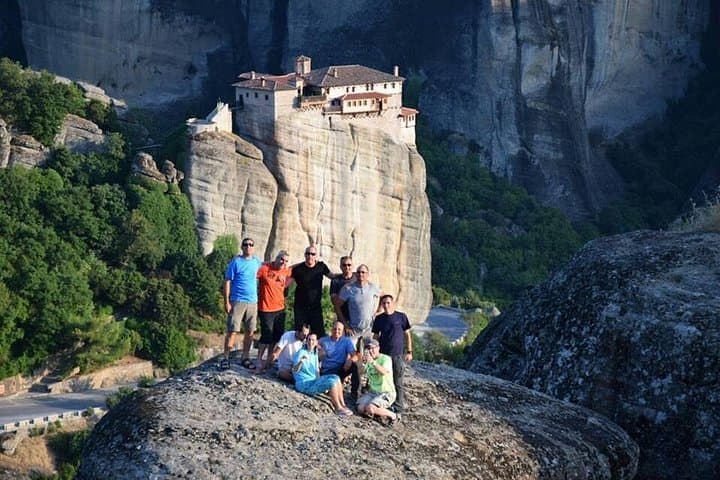
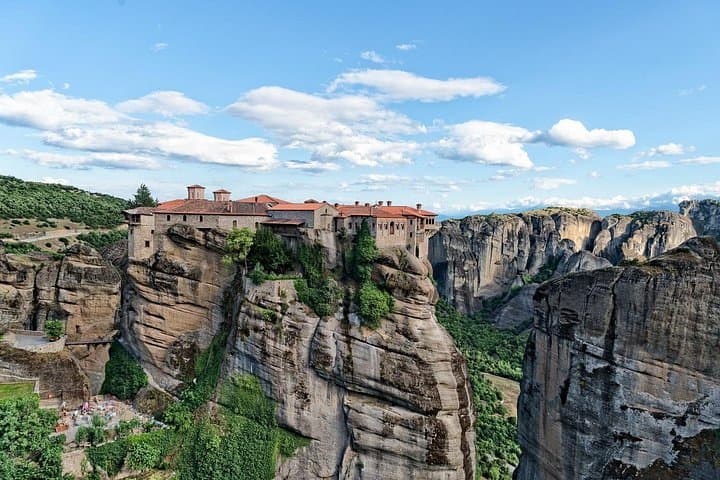
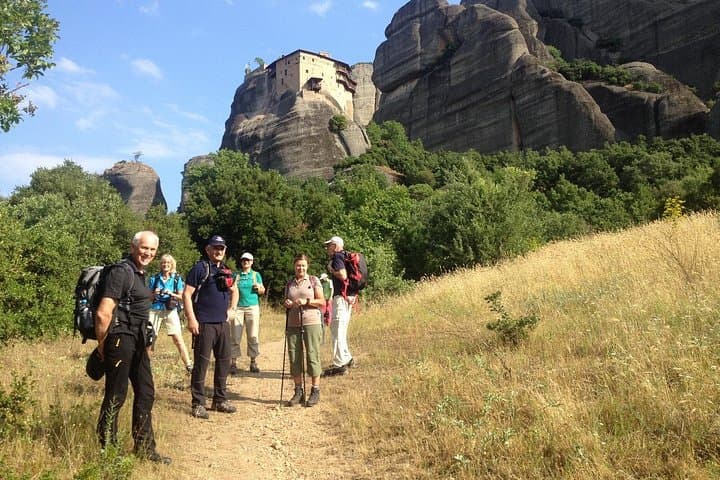
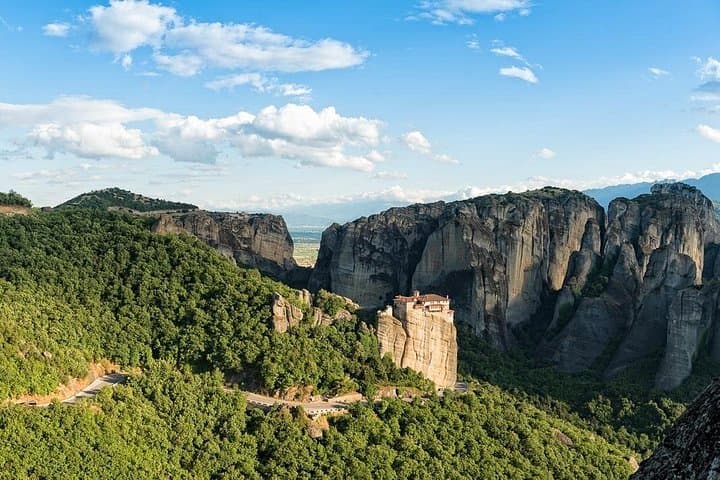
You step out of Kastraki central square and the rocks announce themselves—towering columns of conglomerate that seem to dare you to walk their shadows. The trail climbs between forested gullies and sun-baked ledges, the path alternately soft underfoot and strewn with ancient scree. After a short approach the ruins of Pantokrator appear on a shoulder of stone; farther on the Great Meteoron Monastery crowns a wide rock, its courtyards open to valley views.
Verified experiences and guided adventures in the surrounding area.
Operated by Greek Adventure · Kastraki, Thessaly
You step out of Kastraki central square and the rocks announce themselves—towering columns of conglomerate that seem to dare you to walk their shadows. The trail climbs between forested gullies and sun-baked ledges, the path alternately soft underfoot and strewn with ancient scree. After a short approach the ruins of Pantokrator appear on a shoulder of stone; farther on the Great Meteoron Monastery crowns a wide rock, its courtyards open to valley views.
Meteora’s pillars were sculpted by rivers and tectonics millions of years ago, then shaped by monks from the Byzantine era who built cliff-top hermitages starting around the 14th century. Culture here is lived in stone—monastic cells, frescoes, and narrow stairways carved into rock. The abandoned trail to Ypapantis slips behind a row of towers and rewards hikers with quiet and a different angle on Kalambaka and the Pinios valley; on clear days the Pindos peaks sketch the horizon.
Practically, expect a 4‑hour loop with uneven surfaces, some short steep sections and exposed viewpoints. The tour visits interior areas of two monasteries when open; carry modest clothing for entry. Guides provide hiking poles and local context, but bring sturdy shoes, water, and sun protection. Mornings are cooler and quieter; mid‑summer afternoons can be hot and crowded. Stick to marked tracks to protect fragile soils and historic masonry—here the landscape is both a thrill and a responsibility.
Admission to monastery interiors is not included and depends on opening hours; the guide will advise which two can be visited that day.
The loop is moderate—uneven trails and some short steep sections require steady footing but no technical climbing.
The tour meets at Kastraki central square, a short walk from Kalambaka and accessible by local transport.
Yes, a professional English‑speaking local guide leads the tour and provides historical and geological context.
Greek Adventure operates guided outdoor trips and adventures with an emphasis on safety, stewardship, and memorable experiences.
You step out of Kastraki central square and the rocks announce themselves—towering columns of conglomerate that seem to dare you to walk their shadows. The trail climbs between forested gullies and sun-baked ledges, the path alternately soft underfoot and strewn with ancient scree. After a short approach the ruins of Pantokrator appear on a shoulder of stone; farther on the Great Meteoron Monastery crowns a wide rock, its courtyards open to valley views.
You step out of Kastraki central square and the rocks announce themselves—towering columns of conglomerate that seem to dare you to walk their shadows. The trail climbs between forested gullies and sun-baked ledges, the path alternately soft underfoot and strewn with ancient scree. After a short approach the ruins of Pantokrator appear on a shoulder of stone; farther on the Great Meteoron Monastery crowns a wide rock, its courtyards open to valley views.
Meteora’s pillars were sculpted by rivers and tectonics millions of years ago, then shaped by monks from the Byzantine era who built cliff-top hermitages starting around the 14th century. Culture here is lived in stone—monastic cells, frescoes, and narrow stairways carved into rock. The abandoned trail to Ypapantis slips behind a row of towers and rewards hikers with quiet and a different angle on Kalambaka and the Pinios valley; on clear days the Pindos peaks sketch the horizon.
Practically, expect a 4‑hour loop with uneven surfaces, some short steep sections and exposed viewpoints. The tour visits interior areas of two monasteries when open; carry modest clothing for entry. Guides provide hiking poles and local context, but bring sturdy shoes, water, and sun protection. Mornings are cooler and quieter; mid‑summer afternoons can be hot and crowded. Stick to marked tracks to protect fragile soils and historic masonry—here the landscape is both a thrill and a responsibility.