THE ADVENTURE COLLECTIVE® · Independent discovery and booking for outdoor travel

A compact two-day safari that pairs the rim hike of Mount Longonot with biking and walking in Hell’s Gate National Park. Expect crater rim panoramas, a forested crater interior, and close-up Rift Valley views with practical logistics that make it achievable for most hikers.
A compact two-day safari that pairs the rim hike of Mount Longonot with biking and walking in Hell’s Gate National Park. Expect crater rim panoramas, a forested crater interior, and close-up Rift Valley views with practical logistics that make it achievable for most hikers.
The morning at the trailhead smells of dust and coffee. A low sun slashes across the Rift Valley and the volcano of Mount Longonot rises like a dark wheel against the sky, its crater rim scalloped and raw. You start by climbing through scrub and volcanic scree, the slope steep enough that the wind seems to push at your shoulders, daring you to stop. At the rim, the crater opens—an unexpected pocket of thick forest—and the Rift Valley unfolds below, a patchwork of lakes, farms and folded plains that feel ancient and close.
Verified experiences and guided adventures in the surrounding area.
Operated by Shagami Kenya Tours and Safaris · Naivasha, Nakuru County
The morning at the trailhead smells of dust and coffee. A low sun slashes across the Rift Valley and the volcano of Mount Longonot rises like a dark wheel against the sky, its crater rim scalloped and raw. You start by climbing through scrub and volcanic scree, the slope steep enough that the wind seems to push at your shoulders, daring you to stop. At the rim, the crater opens—an unexpected pocket of thick forest—and the Rift Valley unfolds below, a patchwork of lakes, farms and folded plains that feel ancient and close.
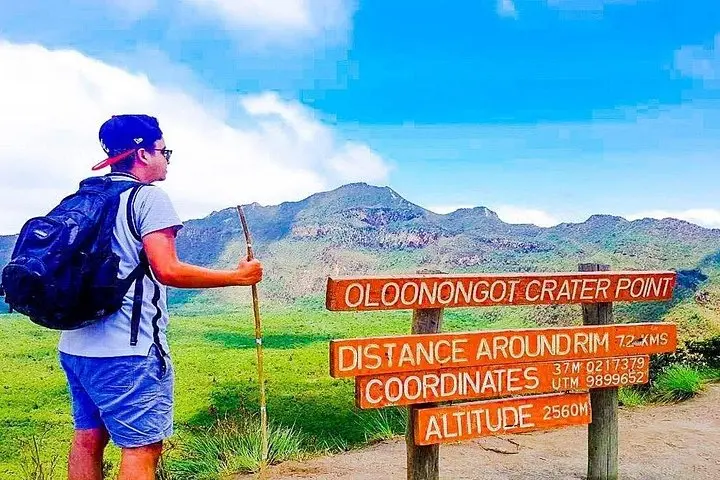
Mount Longonot is a young volcano in geological terms, formed as part of the Great Rift Valley’s dramatic split. Its crater—about an 8–9 km loop along the rim—still holds a dense stand of indigenous trees, creating a microclimate and a surprising place for wildlife to shelter. The area sits in Nakuru County, where pastoral and farming communities have used the Rift’s slopes for generations; the Maasai and other groups have a long cultural relationship to these grazing lands. On day two the landscape shifts: Hell’s Gate National Park turns geological drama into playground—towering cliffs, narrow gorges and hot springs where steam rises like a slow exhale.
This two-day safari balances steady hiking with wildlife and active options: expect a roughly 8–9 km crater rim loop with 500–700 m of elevation change from trailhead to rim, and a second-day circuit combining walking and a 7 km escorted bike ride through Hell’s Gate. Wildlife here is plausible but not guaranteed—zebra, giraffe, gazelles and the occasional eland move through the grasslands, while buffalo and bushbucks shelter in forested hollows.
Practical guidance: start early to avoid midday heat, carry at least 2–3 liters of water and a light wind- or rain-jacket—the crater interior can be noticeably cooler. Wear sturdy, grippy hiking shoes for loose volcanic gravel; trekking poles help on the steep descent. The trip includes park entry, two lunches, dinner and overnight in a tented camp or similar lodging, and breakfast before departure to Hell’s Gate.
Respect the parks: keep to marked trails, give animals space, and pack out trash. If you want sunrise on the rim, plan for a pre-dawn start the first day; for photography, the eastern rim faces the Rift and offers expansive light across the valley. Whether you come for the raw geology, the chance to pedal past grazing zebra in Hell’s Gate, or simply to stand on a volcanic edge and look across the Rift, the route delivers a direct, manageable wilderness experience—two days that stitch motion, views and quiet into a single, memorable outing.
The rim loop is roughly 8–9 km and typically takes 3–5 hours depending on pace and stops for photos.
Yes—it's classified as moderate and guided; basic fitness for sustained uphill walking is recommended, but no technical climbing skills are required.
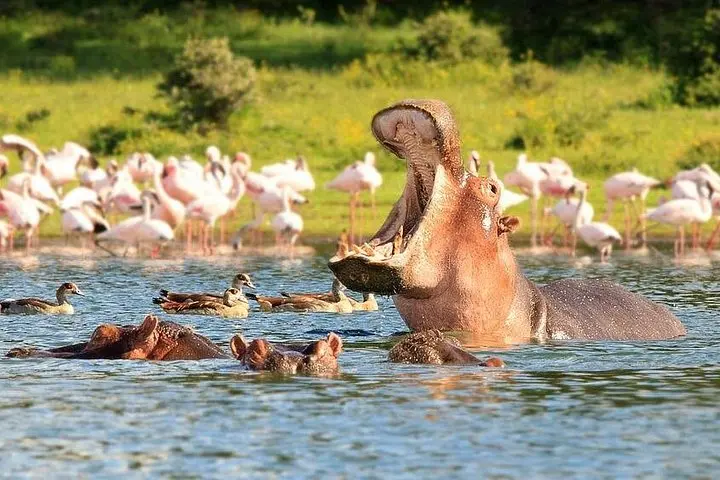
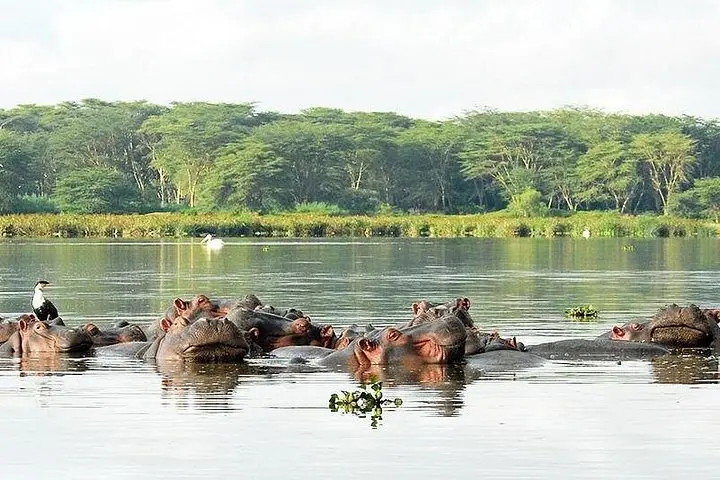
Common sightings include zebras, giraffes, gazelles and various antelope; predators are rare and sightings are uncommon.
Dinner and overnight are usually at a permanent tented camp or a similar lodge near the park; check operator details for exact property.
Yes—the itinerary includes a biking segment of about 7 km; helmets and basic instruction are provided by the park center.
The summit is about 2,886 m; pace yourself on steep sections, hydrate, and rest often—those with serious cardiovascular concerns should consult a doctor.
Shagami Kenya Tours and Safaris operates guided outdoor trips and adventures with an emphasis on safety, stewardship, and memorable experiences.
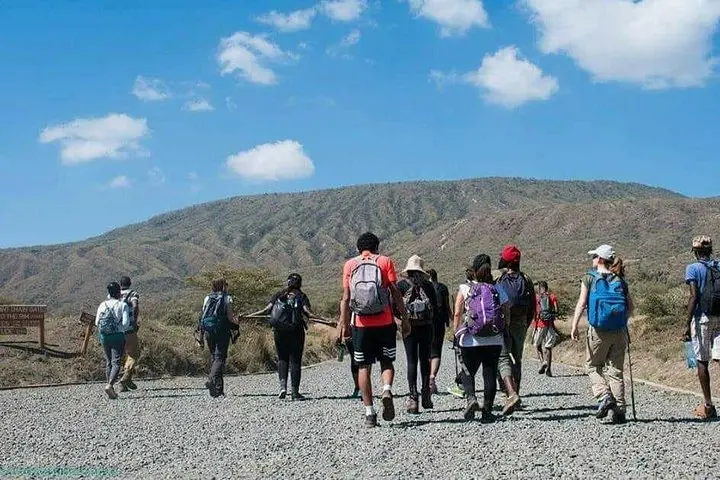
The morning at the trailhead smells of dust and coffee. A low sun slashes across the Rift Valley and the volcano of Mount Longonot rises like a dark wheel against the sky, its crater rim scalloped and raw. You start by climbing through scrub and volcanic scree, the slope steep enough that the wind seems to push at your shoulders, daring you to stop. At the rim, the crater opens—an unexpected pocket of thick forest—and the Rift Valley unfolds below, a patchwork of lakes, farms and folded plains that feel ancient and close.
The morning at the trailhead smells of dust and coffee. A low sun slashes across the Rift Valley and the volcano of Mount Longonot rises like a dark wheel against the sky, its crater rim scalloped and raw. You start by climbing through scrub and volcanic scree, the slope steep enough that the wind seems to push at your shoulders, daring you to stop. At the rim, the crater opens—an unexpected pocket of thick forest—and the Rift Valley unfolds below, a patchwork of lakes, farms and folded plains that feel ancient and close.
Mount Longonot is a young volcano in geological terms, formed as part of the Great Rift Valley’s dramatic split. Its crater—about an 8–9 km loop along the rim—still holds a dense stand of indigenous trees, creating a microclimate and a surprising place for wildlife to shelter. The area sits in Nakuru County, where pastoral and farming communities have used the Rift’s slopes for generations; the Maasai and other groups have a long cultural relationship to these grazing lands. On day two the landscape shifts: Hell’s Gate National Park turns geological drama into playground—towering cliffs, narrow gorges and hot springs where steam rises like a slow exhale.
This two-day safari balances steady hiking with wildlife and active options: expect a roughly 8–9 km crater rim loop with 500–700 m of elevation change from trailhead to rim, and a second-day circuit combining walking and a 7 km escorted bike ride through Hell’s Gate. Wildlife here is plausible but not guaranteed—zebra, giraffe, gazelles and the occasional eland move through the grasslands, while buffalo and bushbucks shelter in forested hollows.
Practical guidance: start early to avoid midday heat, carry at least 2–3 liters of water and a light wind- or rain-jacket—the crater interior can be noticeably cooler. Wear sturdy, grippy hiking shoes for loose volcanic gravel; trekking poles help on the steep descent. The trip includes park entry, two lunches, dinner and overnight in a tented camp or similar lodging, and breakfast before departure to Hell’s Gate.
Respect the parks: keep to marked trails, give animals space, and pack out trash. If you want sunrise on the rim, plan for a pre-dawn start the first day; for photography, the eastern rim faces the Rift and offers expansive light across the valley. Whether you come for the raw geology, the chance to pedal past grazing zebra in Hell’s Gate, or simply to stand on a volcanic edge and look across the Rift, the route delivers a direct, manageable wilderness experience—two days that stitch motion, views and quiet into a single, memorable outing.