THE ADVENTURE COLLECTIVE® · Independent discovery and booking for outdoor travel
A day hike from Arusha that leads to a series of basalt-carved falls fed by Mount Meru’s slopes. Napuru Waterfall offers easy swimming pockets, crisp mountain air, and a cultural window into the communities that live on Meru’s flanks.
A day hike from Arusha that leads to a series of basalt-carved falls fed by Mount Meru’s slopes. Napuru Waterfall offers easy swimming pockets, crisp mountain air, and a cultural window into the communities that live on Meru’s flanks.
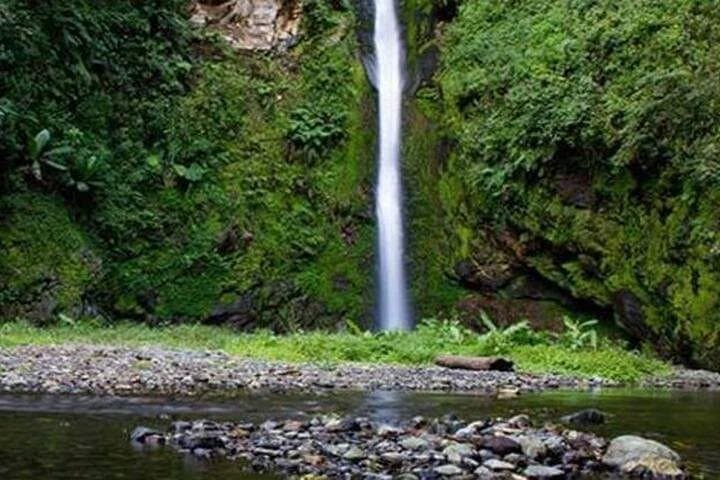
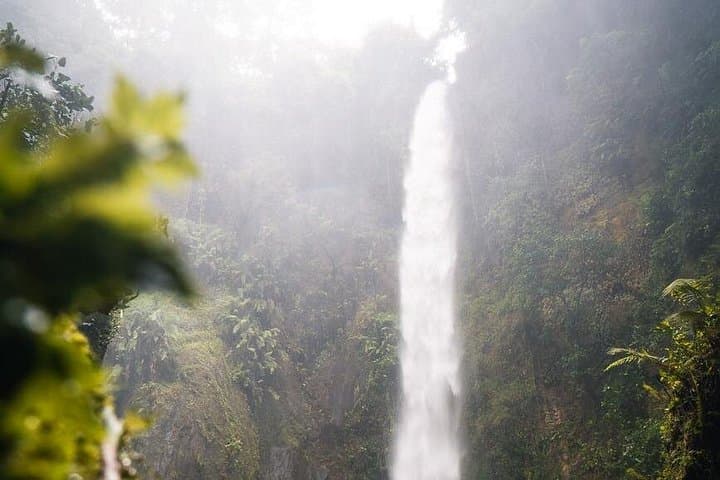
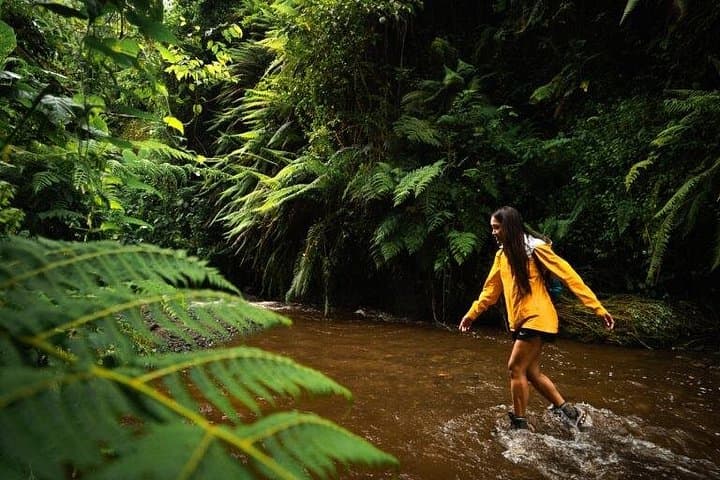
You arrive at the trailhead with Mount Meru watching like an old weathered giant: its ridges catching light while low clouds braid across the peak. A guide checks boots and water bottles, then leads you along a narrow track that threads through coffee trees and stands of algae-bright ferns. The path drops and rises, the forest breathing around you — birds call, leaves whisper, and somewhere ahead the waterfall is already speaking, a steady voice that grows louder until the trail opens to a sheet of water pouring into a cool pool.
Verified experiences and guided adventures in the surrounding area.
Operated by Home Villa Expeditions · Arusha, Arusha
You arrive at the trailhead with Mount Meru watching like an old weathered giant: its ridges catching light while low clouds braid across the peak. A guide checks boots and water bottles, then leads you along a narrow track that threads through coffee trees and stands of algae-bright ferns. The path drops and rises, the forest breathing around you — birds call, leaves whisper, and somewhere ahead the waterfall is already speaking, a steady voice that grows louder until the trail opens to a sheet of water pouring into a cool pool.
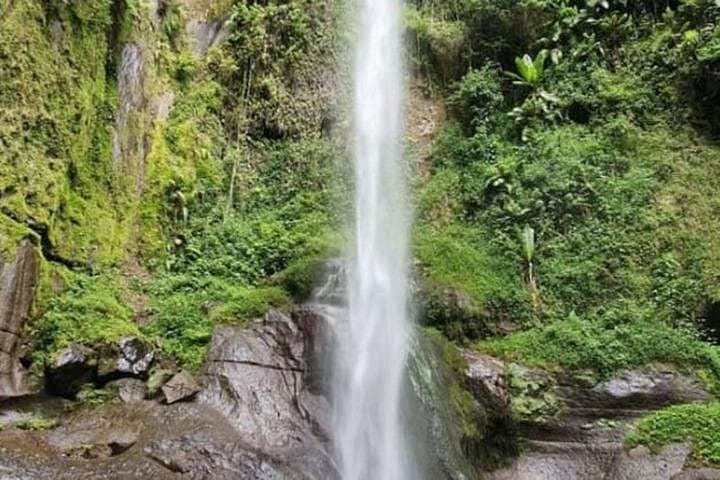
Napuru Waterfall sits on volcanic soils carved by centuries of runoff from Mount Meru. The cascade isn’t a single, thunderous drop; it is a series of falls and plunge pools — sculpted basalt and volcanic tuff — that slow the water into inviting, mineral-bright pockets. Local guides will point out the layered lava flows underfoot and explain how Meru’s eruptions laid the bedrock that directs these streams today.
Culturally, this corner of Arusha blends Meru, Maasai, and Chagga histories. Farmers tend small plots of maize and beans up the valley, and you might pass a sun-hatted vendor selling roasted corn. Oral histories handed down here speak of springs and waterfalls as places where spirits and practical life meet — sources of water, ritual, and community. That cultural frame gives a quiet weight to the hike: it’s not only an ecological feature but part of a living landscape.
If you’re planning it, expect a full-day outing from Arusha (about 1–2 hours drive depending on road conditions). The round-trip hike is roughly 3–5 km with about 150–300 meters of elevation change depending on your chosen route and time spent exploring pools. Trails are mostly dirt and rock; after rains they can be slippery and rooted.
Practical tips: start early to avoid midday heat and to catch clearer views of Mount Meru. Wear grippy hiking shoes or light boots; bring a quick-dry layer for the spray and a waterproof cover for electronics. There’s drinking mineral water included by many operators, but carry an extra liter for the hike. Expect moderate fitness requirements — steady, uneven ground and some short scrambles near the pools.
Respect local practice: don’t climb on fragile rock formations, pack out trash, and follow your guide’s instructions near the water. Photographers will love the contrast of green moss, black basalt, and blue sky; swimmers can cool off in designated pools but check depth and current first.
Napuru is restorative in a practical sense: the waterfalls cool, the walk clears the head, and the landscape teaches itself quietly if you let it. For travelers based in Arusha, it’s an accessible day outside the bustle — a place where the mountain’s geology and local life meet in a steady, refreshing rush.
Most routes are 3–5 km round-trip and take 1.5–3 hours of walking depending on pace and exploration time at the pools.
Yes — there are natural plunge pools suitable for swimming, but always check with your guide about depth and currents before entering.
Local guides are recommended for navigation, safety, and cultural context; permits may be managed by local operators and are typically included in organized tours.
Children with moderate stamina can participate, but supervise them near water and on rocky sections; infants must sit on an adult’s lap during transport per operator policy.
Grippy shoes, a rain shell, sun protection, insect repellent, and at least 1 extra liter of water are recommended.
Dry months from June to October offer clearer trails and views; late rains (March–May) produce higher flows but muddier trails.
Home Villa Expeditions operates guided outdoor trips and adventures with an emphasis on safety, stewardship, and memorable experiences.
You arrive at the trailhead with Mount Meru watching like an old weathered giant: its ridges catching light while low clouds braid across the peak. A guide checks boots and water bottles, then leads you along a narrow track that threads through coffee trees and stands of algae-bright ferns. The path drops and rises, the forest breathing around you — birds call, leaves whisper, and somewhere ahead the waterfall is already speaking, a steady voice that grows louder until the trail opens to a sheet of water pouring into a cool pool.
You arrive at the trailhead with Mount Meru watching like an old weathered giant: its ridges catching light while low clouds braid across the peak. A guide checks boots and water bottles, then leads you along a narrow track that threads through coffee trees and stands of algae-bright ferns. The path drops and rises, the forest breathing around you — birds call, leaves whisper, and somewhere ahead the waterfall is already speaking, a steady voice that grows louder until the trail opens to a sheet of water pouring into a cool pool.
Napuru Waterfall sits on volcanic soils carved by centuries of runoff from Mount Meru. The cascade isn’t a single, thunderous drop; it is a series of falls and plunge pools — sculpted basalt and volcanic tuff — that slow the water into inviting, mineral-bright pockets. Local guides will point out the layered lava flows underfoot and explain how Meru’s eruptions laid the bedrock that directs these streams today.
Culturally, this corner of Arusha blends Meru, Maasai, and Chagga histories. Farmers tend small plots of maize and beans up the valley, and you might pass a sun-hatted vendor selling roasted corn. Oral histories handed down here speak of springs and waterfalls as places where spirits and practical life meet — sources of water, ritual, and community. That cultural frame gives a quiet weight to the hike: it’s not only an ecological feature but part of a living landscape.
If you’re planning it, expect a full-day outing from Arusha (about 1–2 hours drive depending on road conditions). The round-trip hike is roughly 3–5 km with about 150–300 meters of elevation change depending on your chosen route and time spent exploring pools. Trails are mostly dirt and rock; after rains they can be slippery and rooted.
Practical tips: start early to avoid midday heat and to catch clearer views of Mount Meru. Wear grippy hiking shoes or light boots; bring a quick-dry layer for the spray and a waterproof cover for electronics. There’s drinking mineral water included by many operators, but carry an extra liter for the hike. Expect moderate fitness requirements — steady, uneven ground and some short scrambles near the pools.
Respect local practice: don’t climb on fragile rock formations, pack out trash, and follow your guide’s instructions near the water. Photographers will love the contrast of green moss, black basalt, and blue sky; swimmers can cool off in designated pools but check depth and current first.
Napuru is restorative in a practical sense: the waterfalls cool, the walk clears the head, and the landscape teaches itself quietly if you let it. For travelers based in Arusha, it’s an accessible day outside the bustle — a place where the mountain’s geology and local life meet in a steady, refreshing rush.
