THE ADVENTURE COLLECTIVE® · Independent discovery and booking for outdoor travel

Cliffside prayer flags, a steep climb, and one of Bhutan's most iconic monasteries: the Taktsang day hike is a demanding half‑day to full‑day trek with big elevation gain and unforgettable valley views. Read on for what to expect, how to prepare, and practical trail tips.
Cliffside prayer flags, a steep climb, and one of Bhutan's most iconic monasteries: the Taktsang day hike is a demanding half‑day to full‑day trek with big elevation gain and unforgettable valley views. Read on for what to expect, how to prepare, and practical trail tips.
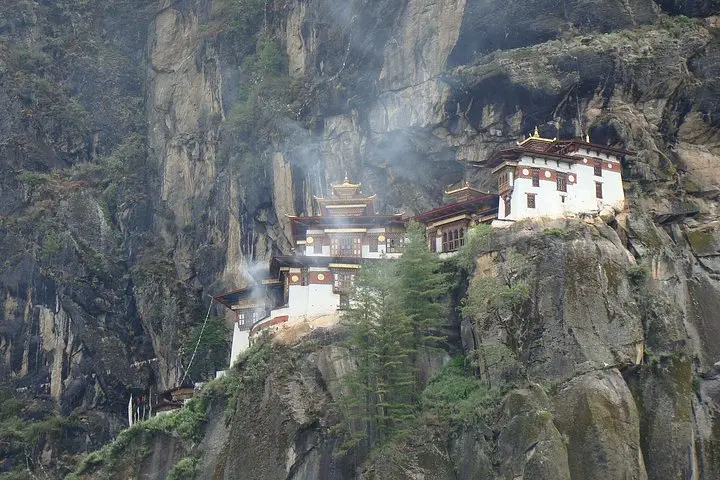
Morning on the Paro ridge feels like a slow inhale: prayer flags snap, pine scent rides the air, and the monastery clings to the cliff above like an idea stubbornly held in place.
Verified experiences and guided adventures in the surrounding area.
Operated by AB Travel · Paro, Paro District
Morning on the Paro ridge feels like a slow inhale: prayer flags snap, pine scent rides the air, and the monastery clings to the cliff above like an idea stubbornly held in place.
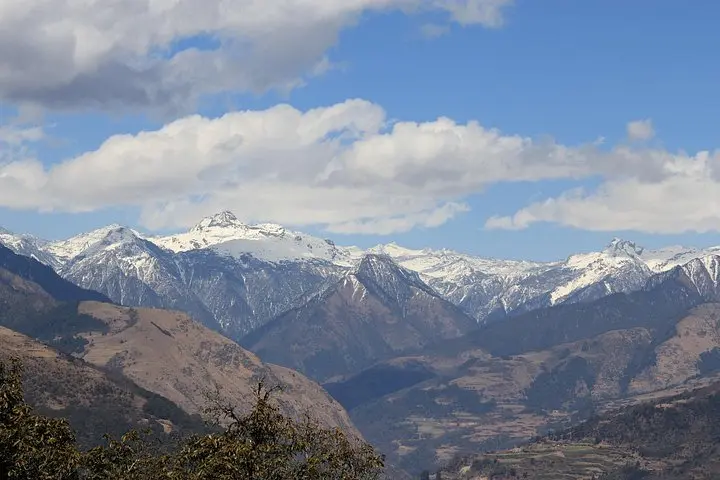
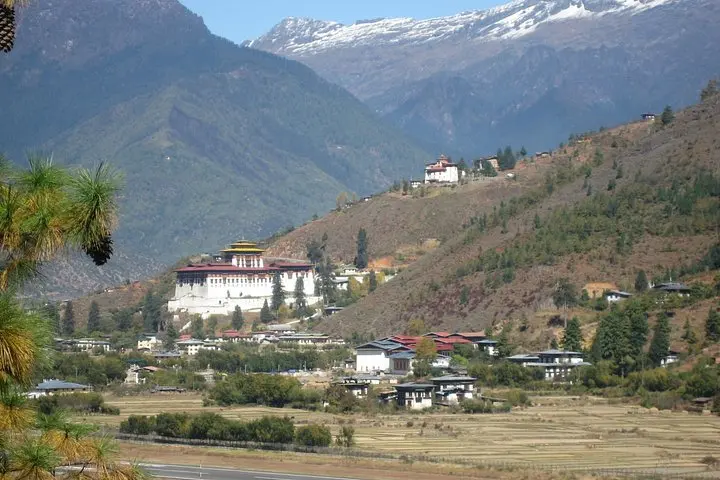
The Taktsang day hike leads uphill from the valley floor to Paro Taktsang, the 17th‑century monastery associated with Guru Rinpoche, who is said to have flown to the cave here in the 8th century. Geologically, the trail follows steep, granitic slopes carved by tectonics and weathering; vertical rock faces set the backdrop while terraced fields stitch the valley below. Culturally the site is alive—pilgrims pause to spin prayer wheels and observers should move quietly and dress respectfully.
Expect a sustained ascent of roughly 900 meters (about 3,000 ft) and a roundtrip of 6–8 km depending on exact start point; typical pacing makes this a 4–6 hour outing with many short, steep stair sections and switchbacks. The route passes a small teahouse and viewpoints that make natural rest points. Trails can be crowded on Bhutanese religious holidays and during peak tourist months; guide presence at Paro airport or trailhead is common and helpful for logistics.
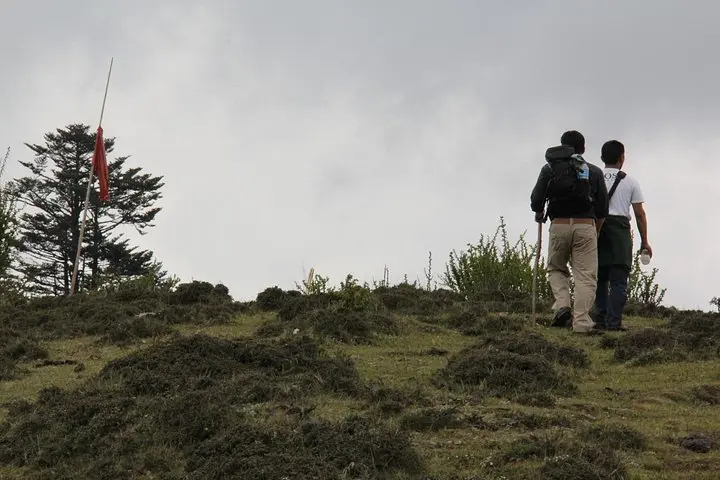
Practical edge: pace yourself for altitude—allow a day in Paro to acclimatize if arriving from low elevation, wear sturdy footwear, carry 1–2 liters of water, and pack a windproof layer. Photographs are plentiful but remember the monastery remains an active religious site; follow posted rules and keep noise low. The hike is accessible year‑round; timing and footwear matter more than technical skill.
Most hikers complete the roundtrip in 4–6 hours; total distance is typically 6–8 km depending on start point and pace.
Visitors to Bhutan follow national visa and entry procedures; day‑hike access to the monastery itself is regulated locally—check with tour operators or your guide for current rules.
The trail is steep with many stairs; children and seniors can do it if fit and acclimatized, but take a slower pace and frequent rests.
A small teahouse near the midway point offers drinks and light snacks, but carry your own water and emergency food.
AB Travel operates guided outdoor trips and adventures with an emphasis on safety, stewardship, and memorable experiences.
Morning on the Paro ridge feels like a slow inhale: prayer flags snap, pine scent rides the air, and the monastery clings to the cliff above like an idea stubbornly held in place.
Morning on the Paro ridge feels like a slow inhale: prayer flags snap, pine scent rides the air, and the monastery clings to the cliff above like an idea stubbornly held in place.
The Taktsang day hike leads uphill from the valley floor to Paro Taktsang, the 17th‑century monastery associated with Guru Rinpoche, who is said to have flown to the cave here in the 8th century. Geologically, the trail follows steep, granitic slopes carved by tectonics and weathering; vertical rock faces set the backdrop while terraced fields stitch the valley below. Culturally the site is alive—pilgrims pause to spin prayer wheels and observers should move quietly and dress respectfully.
Expect a sustained ascent of roughly 900 meters (about 3,000 ft) and a roundtrip of 6–8 km depending on exact start point; typical pacing makes this a 4–6 hour outing with many short, steep stair sections and switchbacks. The route passes a small teahouse and viewpoints that make natural rest points. Trails can be crowded on Bhutanese religious holidays and during peak tourist months; guide presence at Paro airport or trailhead is common and helpful for logistics.
Practical edge: pace yourself for altitude—allow a day in Paro to acclimatize if arriving from low elevation, wear sturdy footwear, carry 1–2 liters of water, and pack a windproof layer. Photographs are plentiful but remember the monastery remains an active religious site; follow posted rules and keep noise low. The hike is accessible year‑round; timing and footwear matter more than technical skill.