THE ADVENTURE COLLECTIVE® · Independent discovery and booking for outdoor travel

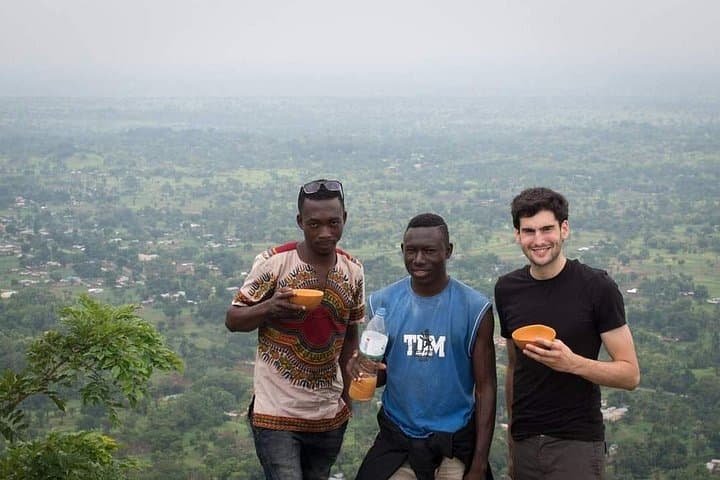
A day hike through the Kabyè Mountains mixes short, rocky climbs with cultural stops and terrace-farmed slopes. Expect sweeping views over Kara, plant-based local history, and a tasting of traditional chukoudou at the summit.
A day hike through the Kabyè Mountains mixes short, rocky climbs with cultural stops and terrace-farmed slopes. Expect sweeping views over Kara, plant-based local history, and a tasting of traditional chukoudou at the summit.
You step off the dusty road and begin to climb through low scrub and terraced fields, the town of Kara shrinking behind you. The path angles up between rows of stone terraces, the air carrying the sour sweetness of chukoudou brewing in nearby homesteads. Wind teases at the summit grasses; from the ridge you can pick out clay huts and the sweep of farmland that the Kabyè people have sculpted into the slopes.
Verified experiences and guided adventures in the surrounding area.
Operated by Africa Trips · Kara, Kara Region
You step off the dusty road and begin to climb through low scrub and terraced fields, the town of Kara shrinking behind you. The path angles up between rows of stone terraces, the air carrying the sour sweetness of chukoudou brewing in nearby homesteads. Wind teases at the summit grasses; from the ridge you can pick out clay huts and the sweep of farmland that the Kabyè people have sculpted into the slopes.
This landscape is as much cultural as it is geological. The Kabyè practiced terrace farming for generations, carving arable land into steep ground to hold soil and water. The rock here is mostly low, rounded outcrops of schist and laterite that weather into shallow soils—conditions that shaped local techniques in building and agriculture.
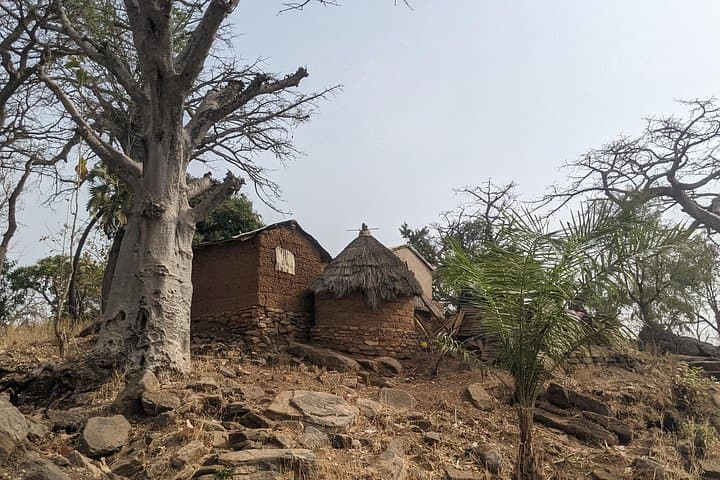
Guides weave oral history into route-side stops: plant uses, clan landmarks, and the simple architecture of traditional huts. A summit pause often includes a taste of chukoudou, the local sorghum brew, and a view that makes the effort tangible.
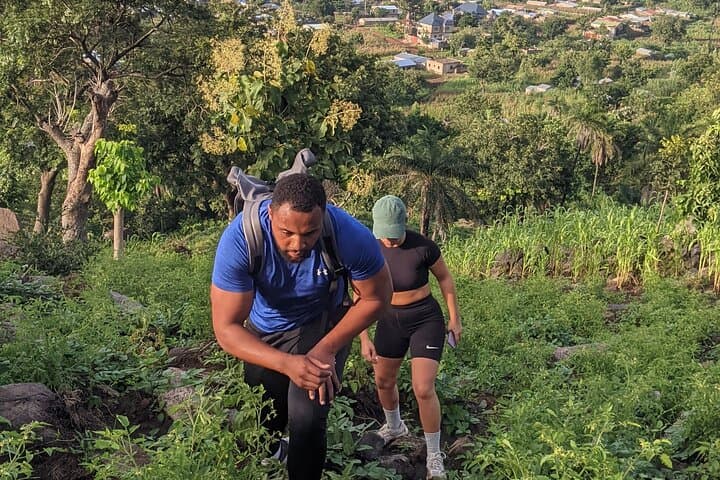
Practical guidance: expect a 5–6 hour outing at a moderate pace with several short breaks; trails are unpaved, rocky, with intermittent steep sections. Good trekking shoes, at least 1 liter of water, sun protection and a light layer for wind are essential. Walks are flexible—guides alter pace for groups, and a shorter 3-hour option is available for less ambitious hikers.
Respect private farmland, ask before photographing people, and leave no trace: erosion is the local concern. With straightforward logistics and rich cultural payoff, a Kabyè Mountains hike gives a compact, authentic experience of northern Togo’s living landscape.
The standard outing is 5–6 hours at a relaxed pace, and a 3-hour version can be arranged for less walking.
The tour includes one bottle of mineral water and a tasting of local chukoudou at the summit; bring extra fluids if you sweat heavily.
No technical experience required, but participants should have moderate fitness and be comfortable on uneven terrain.
Families with older children who can handle uphill walking will be fine; consider the shorter option for younger kids.
Africa Trips operates guided outdoor trips and adventures with an emphasis on safety, stewardship, and memorable experiences.
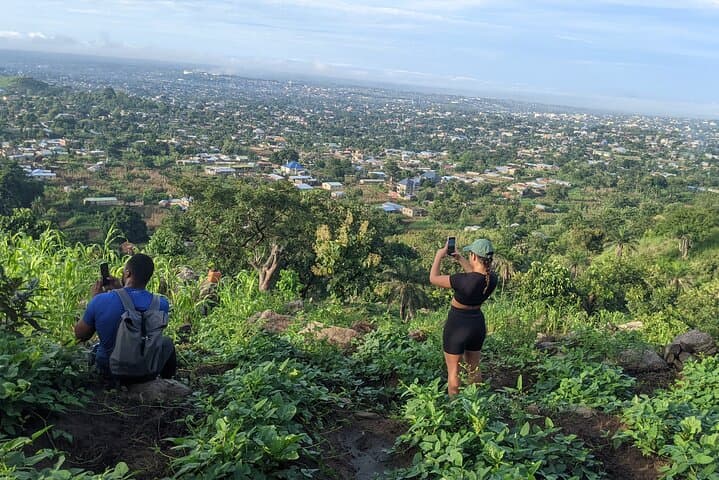
You step off the dusty road and begin to climb through low scrub and terraced fields, the town of Kara shrinking behind you. The path angles up between rows of stone terraces, the air carrying the sour sweetness of chukoudou brewing in nearby homesteads. Wind teases at the summit grasses; from the ridge you can pick out clay huts and the sweep of farmland that the Kabyè people have sculpted into the slopes.
You step off the dusty road and begin to climb through low scrub and terraced fields, the town of Kara shrinking behind you. The path angles up between rows of stone terraces, the air carrying the sour sweetness of chukoudou brewing in nearby homesteads. Wind teases at the summit grasses; from the ridge you can pick out clay huts and the sweep of farmland that the Kabyè people have sculpted into the slopes.
This landscape is as much cultural as it is geological. The Kabyè practiced terrace farming for generations, carving arable land into steep ground to hold soil and water. The rock here is mostly low, rounded outcrops of schist and laterite that weather into shallow soils—conditions that shaped local techniques in building and agriculture.
Guides weave oral history into route-side stops: plant uses, clan landmarks, and the simple architecture of traditional huts. A summit pause often includes a taste of chukoudou, the local sorghum brew, and a view that makes the effort tangible.
Practical guidance: expect a 5–6 hour outing at a moderate pace with several short breaks; trails are unpaved, rocky, with intermittent steep sections. Good trekking shoes, at least 1 liter of water, sun protection and a light layer for wind are essential. Walks are flexible—guides alter pace for groups, and a shorter 3-hour option is available for less ambitious hikers.
Respect private farmland, ask before photographing people, and leave no trace: erosion is the local concern. With straightforward logistics and rich cultural payoff, a Kabyè Mountains hike gives a compact, authentic experience of northern Togo’s living landscape.