THE ADVENTURE COLLECTIVE® · Independent discovery and booking for outdoor travel

A half-day guided hike above Positano and the Tyrrhenian Sea, the Path of the Gods pairs dramatic coastline panoramas with local knowledge. This round-trip from Sorrento combines a scenic drive, licensed guide, and a 3–4 hour trail loop that highlights the Amalfi Coast’s geology and culture.
A half-day guided hike above Positano and the Tyrrhenian Sea, the Path of the Gods pairs dramatic coastline panoramas with local knowledge. This round-trip from Sorrento combines a scenic drive, licensed guide, and a 3–4 hour trail loop that highlights the Amalfi Coast’s geology and culture.
The morning air on the Amalfi Coast tastes of salt and lemon as the van peels away from Sorrento's main square, hugging a road that clings to limestone like a fingernail. In an hour you leave the seaside bustle behind and climb into chestnut woods and terraces; then the trail opens. The Sentiero degli Dei—Path of the Gods—unfolds along a knife-edge of basalt and limestone, a footpath that dares you to look down. Below, the Tyrrhenian flashes Capri and Positano as bright punctuation marks against the blue.
Verified experiences and guided adventures in the surrounding area.
Operated by Cartotrekking · Sorrento, Campania
The morning air on the Amalfi Coast tastes of salt and lemon as the van peels away from Sorrento's main square, hugging a road that clings to limestone like a fingernail. In an hour you leave the seaside bustle behind and climb into chestnut woods and terraces; then the trail opens. The Sentiero degli Dei—Path of the Gods—unfolds along a knife-edge of basalt and limestone, a footpath that dares you to look down. Below, the Tyrrhenian flashes Capri and Positano as bright punctuation marks against the blue.
This is a trail shaped by geology and human hands. Millennia of uplift and coastal erosion carved the cliffs; centuries of farmers etched terraces and mule tracks into the slope. The name, romantic as it sounds, is modern—an attempt to match the trail's dramatic panoramas with classical grandeur—but the route itself follows ancient connections between hilltop villages and the sea.
Culturally the hike is a cross-section of Campania: lemon groves where the air smells faintly of oil and citrus, stone huts once used by shepherds, and the occasional handshake with a local guide who knows the names of the scrub and the best spot for a break. Your guide points out sarsaparilla-scented herbs, explains the olive cultivars, and situates the trail in the practical life of Amalfi farmers whose terraces resist both gravity and time.
Practical side: this guided round-trip usually takes 3–4 hours on the trail, covering roughly 8–10 km with around 350–450 m of cumulative elevation gain and some steep descents. Terrain alternates packed dirt, exposed rock, and short stair sections; the route is well marked but narrow in places. The company provides a licensed local guide and private transport from Sorrento; expect a 45-minute coastal drive to the trailhead. Return to Sorrento is to the same meeting square, so plan on a full half-day.
Timing matters. Start early to avoid midday heat and the busiest hours; autumn and spring bring crisp light and blooms, while summer can be intensely hot on exposed sections. Wear sturdy trail shoes, carry 1–1.5 liters of water per person, sun protection, and a lightweight wind layer—the coast can be unexpectedly breezy. If you have back or heart issues, consider the recommendations: the tour advises a moderate fitness level and is not suitable for pregnant travelers.
What you take away is as practical as it is visual: a sense of how people, stone, and sea have met along this coastline. The Path of the Gods is not just a postcard; it’s a route that rewards attention—bring a camera, but keep your steps deliberate. Stick to the trail, follow your guide, and you’ll end the day having walked an old way and seen the Amalfi Coast from an angle most travelers miss.
The guided round-trip covers about 8–10 km on trail and typically takes 3–4 hours of walking plus transfer time.
Older children who are used to 3–4 hours of hiking can manage; families should watch exposed sections and keep a steady pace.
The tour includes a licensed local guide—recommended for navigation, local knowledge, and safety on narrow sections.
Moderate fitness—able to handle uneven terrain and several hundred meters of elevation gain and loss.
Yes—the tour provides private transport from Sorrento and returns you to the main square meeting point.
The operator may cancel in bad weather; exposed cliffs and wet rock increase hazard, so dress in layers and check forecasts.
Cartotrekking operates guided outdoor trips and adventures with an emphasis on safety, stewardship, and memorable experiences.
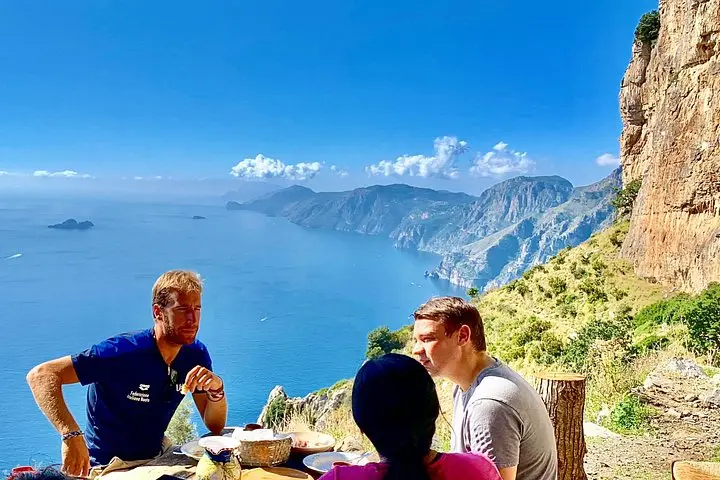
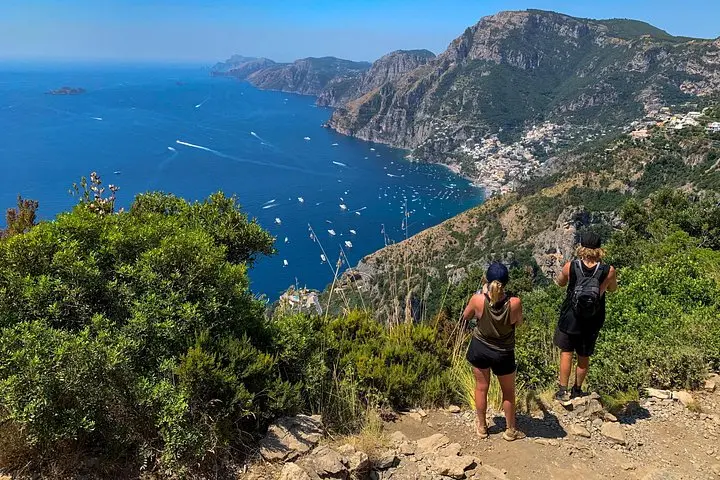
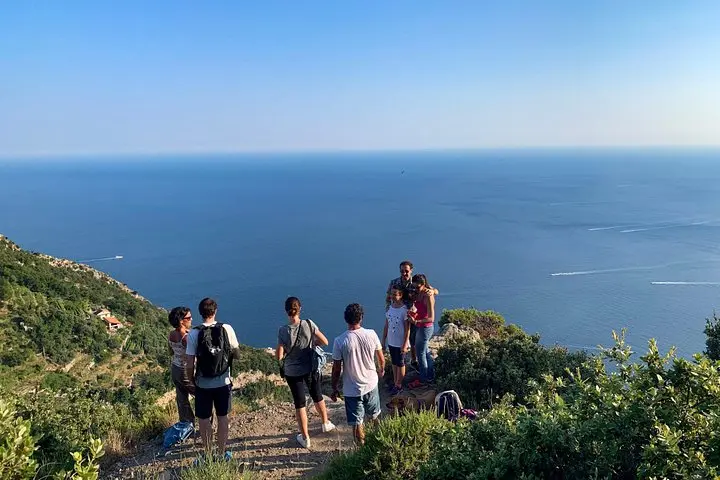
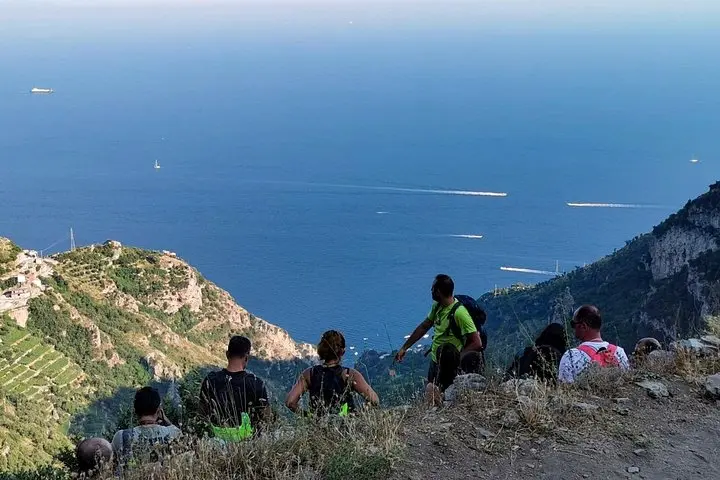
The morning air on the Amalfi Coast tastes of salt and lemon as the van peels away from Sorrento's main square, hugging a road that clings to limestone like a fingernail. In an hour you leave the seaside bustle behind and climb into chestnut woods and terraces; then the trail opens. The Sentiero degli Dei—Path of the Gods—unfolds along a knife-edge of basalt and limestone, a footpath that dares you to look down. Below, the Tyrrhenian flashes Capri and Positano as bright punctuation marks against the blue.
The morning air on the Amalfi Coast tastes of salt and lemon as the van peels away from Sorrento's main square, hugging a road that clings to limestone like a fingernail. In an hour you leave the seaside bustle behind and climb into chestnut woods and terraces; then the trail opens. The Sentiero degli Dei—Path of the Gods—unfolds along a knife-edge of basalt and limestone, a footpath that dares you to look down. Below, the Tyrrhenian flashes Capri and Positano as bright punctuation marks against the blue.
This is a trail shaped by geology and human hands. Millennia of uplift and coastal erosion carved the cliffs; centuries of farmers etched terraces and mule tracks into the slope. The name, romantic as it sounds, is modern—an attempt to match the trail's dramatic panoramas with classical grandeur—but the route itself follows ancient connections between hilltop villages and the sea.
Culturally the hike is a cross-section of Campania: lemon groves where the air smells faintly of oil and citrus, stone huts once used by shepherds, and the occasional handshake with a local guide who knows the names of the scrub and the best spot for a break. Your guide points out sarsaparilla-scented herbs, explains the olive cultivars, and situates the trail in the practical life of Amalfi farmers whose terraces resist both gravity and time.
Practical side: this guided round-trip usually takes 3–4 hours on the trail, covering roughly 8–10 km with around 350–450 m of cumulative elevation gain and some steep descents. Terrain alternates packed dirt, exposed rock, and short stair sections; the route is well marked but narrow in places. The company provides a licensed local guide and private transport from Sorrento; expect a 45-minute coastal drive to the trailhead. Return to Sorrento is to the same meeting square, so plan on a full half-day.
Timing matters. Start early to avoid midday heat and the busiest hours; autumn and spring bring crisp light and blooms, while summer can be intensely hot on exposed sections. Wear sturdy trail shoes, carry 1–1.5 liters of water per person, sun protection, and a lightweight wind layer—the coast can be unexpectedly breezy. If you have back or heart issues, consider the recommendations: the tour advises a moderate fitness level and is not suitable for pregnant travelers.
What you take away is as practical as it is visual: a sense of how people, stone, and sea have met along this coastline. The Path of the Gods is not just a postcard; it’s a route that rewards attention—bring a camera, but keep your steps deliberate. Stick to the trail, follow your guide, and you’ll end the day having walked an old way and seen the Amalfi Coast from an angle most travelers miss.