THE ADVENTURE COLLECTIVE® · Independent discovery and booking for outdoor travel

Walk a 7 km loop through Ulassai’s Tacchi d’Ogliastra to see dramatic limestone “heels,” karst caves and sweeping ridgeline views. This family-suitable, medium route blends geology, culture and accessible adventure.
Walk a 7 km loop through Ulassai’s Tacchi d’Ogliastra to see dramatic limestone “heels,” karst caves and sweeping ridgeline views. This family-suitable, medium route blends geology, culture and accessible adventure.
A low ridge of pale rock rises above the oak canopy and the trail narrows — the Tacchi appear like a row of stacked heels cut from limestone. The path threads through strawberry trees and Mediterranean scrub, the scent of resin and sun-warmed rock in the air. Caves peer out of vertical faces; a mule track climbs toward a belvedere where the sea is a distant silver ribbon.
Verified experiences and guided adventures in the surrounding area.
Operated by Go Comida - Experience Sardinia · Ulassai, Sardinia
A low ridge of pale rock rises above the oak canopy and the trail narrows — the Tacchi appear like a row of stacked heels cut from limestone. The path threads through strawberry trees and Mediterranean scrub, the scent of resin and sun-warmed rock in the air. Caves peer out of vertical faces; a mule track climbs toward a belvedere where the sea is a distant silver ribbon.
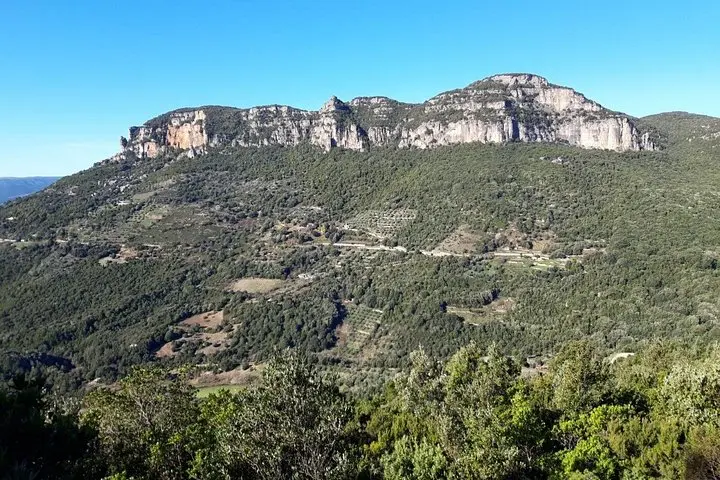
Geology and history are written in the stone here. The Tacchi d’Ogliastra are dolomitic-limestone caps sitting on softer shales, sculpted by karst processes into walls, cracks and tunnels. The landscape has shaped local life for centuries: shepherds, chestnut groves and villages adapted to steep slopes and seasonal isolation. Ulassai itself hosts rock-cut dwellings and traditions tied to mountain grazing.
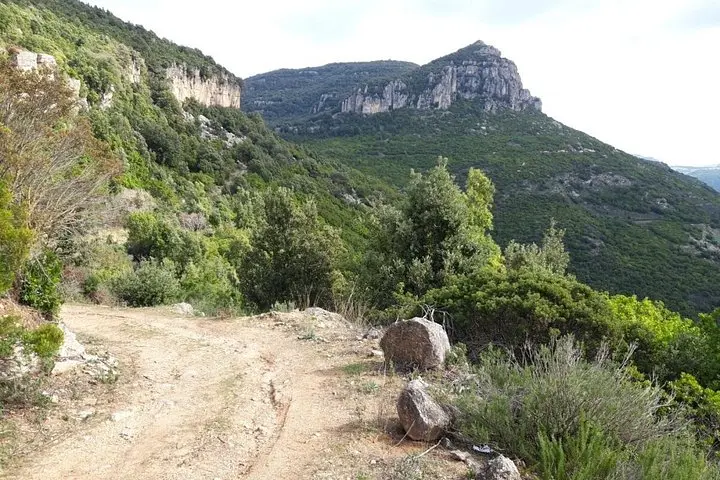
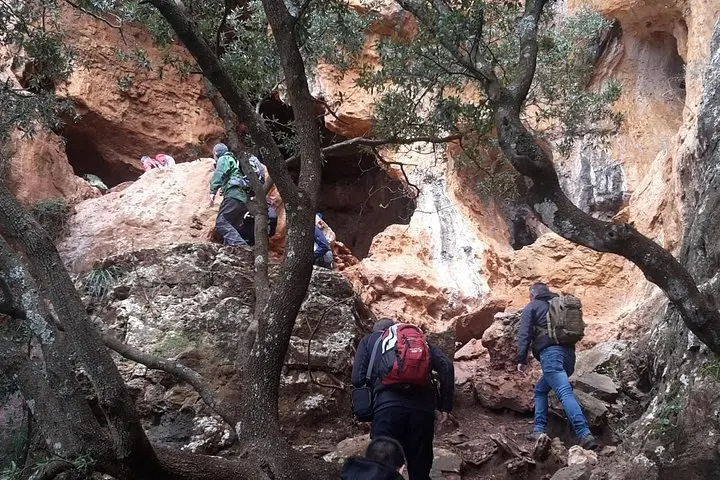
Expect a varied medium-grade route: roughly 7 km, about 270 m total elevation change, and three hours on mule and cart tracks. The karst terrain alternates packed gravel, exposed roots and short limestone steps; one modest cave offers a cool, dim break from the sun. Wildlife is low-profile but present — birds circle the cliffs and you may spot signs of wild boar or mouflon.
Practical guidance: wear grippy hiking shoes (no smooth soles), bring 1.5–2 L of water, sun protection and a waterproof layer for sudden coastal storms. Start early in summer to avoid heat, follow the guide’s route through fragile karst surfaces, and carry a headlamp if you plan the cave stop. Parking and transfer are typically by private car; guided groups limit numbers, so book in advance for quieter access.
Yes—the route is family-friendly but children should be comfortable walking up to 7 km and scrambling short rocky sections; supervision is advised near cliffs and cave entrances.
Service animals are allowed; other dogs should be kept on leash and owners must manage heat and trail safety.
The itinerary recommends private car to the trailhead; the marked mule tracks are navigable but a local guide adds geological and cultural context.
The cave is short and non-technical but uneven and dark—wear sturdy shoes, bring a light, and avoid entering when wet or after heavy rains.
Go Comida - Experience Sardinia operates guided outdoor trips and adventures with an emphasis on safety, stewardship, and memorable experiences.
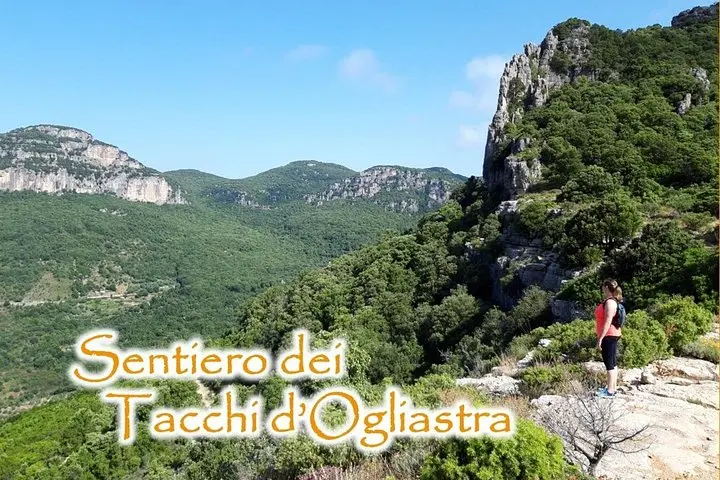
A low ridge of pale rock rises above the oak canopy and the trail narrows — the Tacchi appear like a row of stacked heels cut from limestone. The path threads through strawberry trees and Mediterranean scrub, the scent of resin and sun-warmed rock in the air. Caves peer out of vertical faces; a mule track climbs toward a belvedere where the sea is a distant silver ribbon.
A low ridge of pale rock rises above the oak canopy and the trail narrows — the Tacchi appear like a row of stacked heels cut from limestone. The path threads through strawberry trees and Mediterranean scrub, the scent of resin and sun-warmed rock in the air. Caves peer out of vertical faces; a mule track climbs toward a belvedere where the sea is a distant silver ribbon.
Geology and history are written in the stone here. The Tacchi d’Ogliastra are dolomitic-limestone caps sitting on softer shales, sculpted by karst processes into walls, cracks and tunnels. The landscape has shaped local life for centuries: shepherds, chestnut groves and villages adapted to steep slopes and seasonal isolation. Ulassai itself hosts rock-cut dwellings and traditions tied to mountain grazing.
Expect a varied medium-grade route: roughly 7 km, about 270 m total elevation change, and three hours on mule and cart tracks. The karst terrain alternates packed gravel, exposed roots and short limestone steps; one modest cave offers a cool, dim break from the sun. Wildlife is low-profile but present — birds circle the cliffs and you may spot signs of wild boar or mouflon.
Practical guidance: wear grippy hiking shoes (no smooth soles), bring 1.5–2 L of water, sun protection and a waterproof layer for sudden coastal storms. Start early in summer to avoid heat, follow the guide’s route through fragile karst surfaces, and carry a headlamp if you plan the cave stop. Parking and transfer are typically by private car; guided groups limit numbers, so book in advance for quieter access.