THE ADVENTURE COLLECTIVE® · Independent discovery and booking for outdoor travel

A compact, rewarding hike from Pokhara’s Lakeside to the white World Peace Stupa, offering direct Annapurna views and a mix of village trail, forest shade, and panoramic ridge overlooks. Ideal for a half-day outing with modest fitness.
A compact, rewarding hike from Pokhara’s Lakeside to the white World Peace Stupa, offering direct Annapurna views and a mix of village trail, forest shade, and panoramic ridge overlooks. Ideal for a half-day outing with modest fitness.
The trail leaves Pokhara’s Lakeside with the shallow glass of Fewa Lake at your back and a steady climb threading through paddy edges, tea stalls, and shaded forest.
Verified experiences and guided adventures in the surrounding area.
Operated by Peak to Peak Tours and Treks Pvt Ltd · Pokhara, Gandaki Province
The trail leaves Pokhara’s Lakeside with the shallow glass of Fewa Lake at your back and a steady climb threading through paddy edges, tea stalls, and shaded forest.
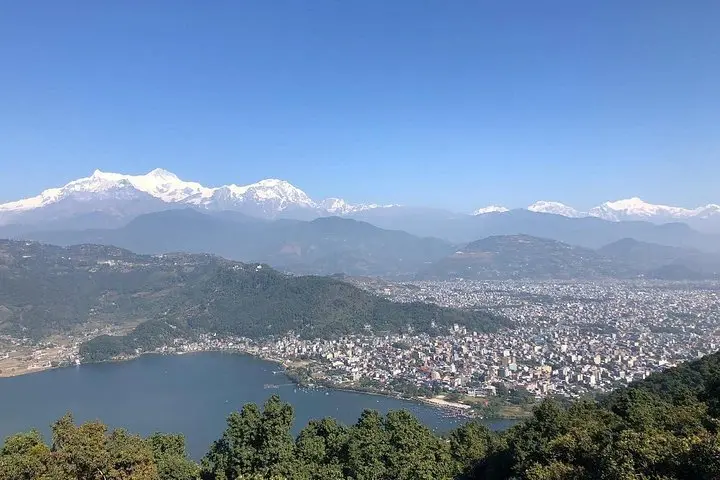
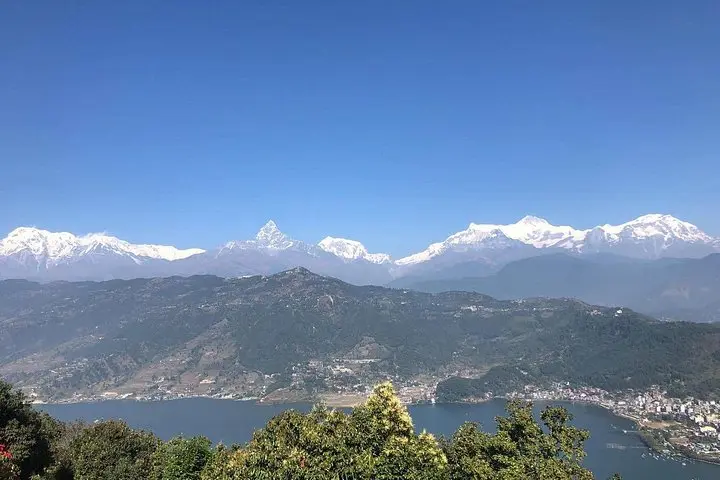
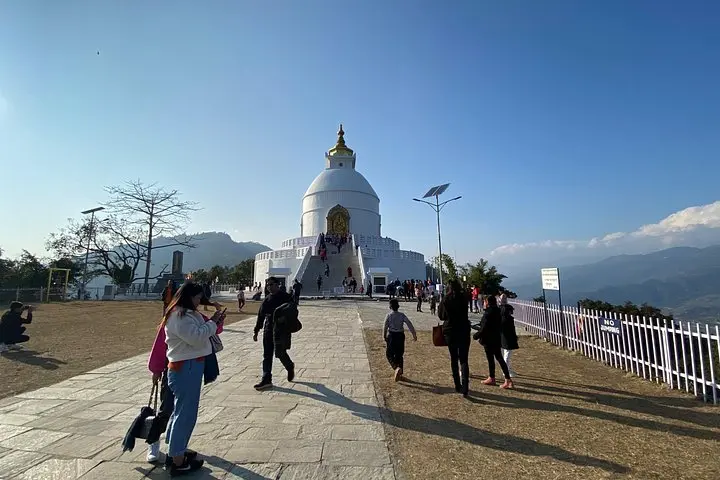
Wind along the ridge pushes prayer flags and the occasional boat wake dares the shore; every switchback opens a wider view of the Annapurna massif. The Stupa perches on a rounded hill, white and geometric against craggy peaks — a simple finish that reframes the whole valley.
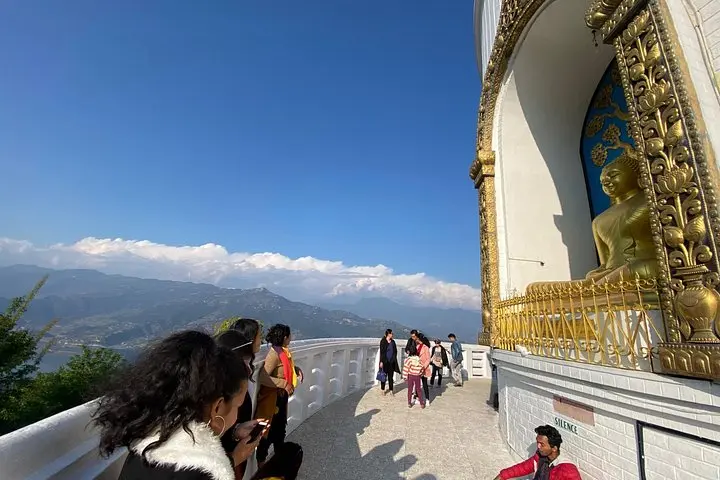
Built by Japanese Buddhists in the late 1990s, the World Peace Stupa is part of a global effort to create quiet points for reflection. Geologically, the walk rises from the lake basin carved by Himalayan uplift; the surrounding slopes are weathered schists and metamorphics that yield steep terraces and sudden viewpoints. Locally, the route threads villages where families tend terraces, pilgrims offer small roundabout prayers, and porters still move goods on foot.
Practically, expect a moderate 2–3 hour outing round-trip with roughly 300–500 m of ascent depending on route choice; narrow stone steps and dirt tracks are common. Start early for cooler air and the clearest mountain panoramas, carry water and sun protection, and wear grippy shoes — sections can be steep and uneven, especially after rain. Guides are common and can add cultural context at small shrines along the way.
This hike balances accessibility with a tangible sense of arrival: the climb sharpens focus, the view rewards patience, and the Stupa invites a deliberate pause before descending back to the lakeshore bustle.
Plan on 2–3 hours round-trip depending on pace and stops; steeper routes shorten distance but increase effort.
No permit is required; guides are optional but helpful for local context and navigation through village trails.
Yes with supervision and a moderate fitness level; take breaks on the switchbacks and avoid slippery sections after rain.
Facilities are limited — basic toilets exist near Lakeside and some shops near the ridge, so plan accordingly.
Peak to Peak Tours and Treks Pvt Ltd operates guided outdoor trips and adventures with an emphasis on safety, stewardship, and memorable experiences.
The trail leaves Pokhara’s Lakeside with the shallow glass of Fewa Lake at your back and a steady climb threading through paddy edges, tea stalls, and shaded forest.
The trail leaves Pokhara’s Lakeside with the shallow glass of Fewa Lake at your back and a steady climb threading through paddy edges, tea stalls, and shaded forest.
Wind along the ridge pushes prayer flags and the occasional boat wake dares the shore; every switchback opens a wider view of the Annapurna massif. The Stupa perches on a rounded hill, white and geometric against craggy peaks — a simple finish that reframes the whole valley.
Built by Japanese Buddhists in the late 1990s, the World Peace Stupa is part of a global effort to create quiet points for reflection. Geologically, the walk rises from the lake basin carved by Himalayan uplift; the surrounding slopes are weathered schists and metamorphics that yield steep terraces and sudden viewpoints. Locally, the route threads villages where families tend terraces, pilgrims offer small roundabout prayers, and porters still move goods on foot.
Practically, expect a moderate 2–3 hour outing round-trip with roughly 300–500 m of ascent depending on route choice; narrow stone steps and dirt tracks are common. Start early for cooler air and the clearest mountain panoramas, carry water and sun protection, and wear grippy shoes — sections can be steep and uneven, especially after rain. Guides are common and can add cultural context at small shrines along the way.
This hike balances accessibility with a tangible sense of arrival: the climb sharpens focus, the view rewards patience, and the Stupa invites a deliberate pause before descending back to the lakeshore bustle.