THE ADVENTURE COLLECTIVE® · Independent discovery and booking for outdoor travel

Follow a local guide from Tyros’s cobbled lanes to coastal ridgelines, ruined castle viewpoints, and sea caves once touched by bauxite miners. This easy 2–3 hour hike blends Tsakonian culture with repeat sea-and-mountain views and ends with refreshments by the water.
Follow a local guide from Tyros’s cobbled lanes to coastal ridgelines, ruined castle viewpoints, and sea caves once touched by bauxite miners. This easy 2–3 hour hike blends Tsakonian culture with repeat sea-and-mountain views and ends with refreshments by the water.
Morning light slides across the pebble port and the first houses of Tyros as a local guide checks maps and laces boots. The trail heads up from the old cobbled road, climbing between olive terraces, abandoned windmills, and the weathered stones of a ruined castle that keeps watch over the gulf. Salt air pulls at your sleeves; the mountain behind you releases pine-scented drafts that dare you onward.
Verified experiences and guided adventures in the surrounding area.
Operated by travel 2 peloponnese · Tyros, Arcadia
Morning light slides across the pebble port and the first houses of Tyros as a local guide checks maps and laces boots. The trail heads up from the old cobbled road, climbing between olive terraces, abandoned windmills, and the weathered stones of a ruined castle that keeps watch over the gulf. Salt air pulls at your sleeves; the mountain behind you releases pine-scented drafts that dare you onward.
Tyros sits within the Tsakonian cultural pocket of eastern Arcadia — one of Greece’s living linguistic islands — and traces of bauxite mining and maritime trade scar the cliffs around Cape Trikeri. Geology here is coastal schist and pockets of red bauxite, which created small sea caves and crumbling quarry faces that photographers favor. The route balances low coastal ridges and easy inland switchbacks, offering repeated sea-and-mountain panoramas rather than long sustained climbs.
Expect 2–3 hours of mostly easy walking on mixed terrain: short cobbled sections, dirt tracks, and some rocky, uneven stretches by old mining caves. Guides pause at viewpoints, point out Tsakonian customs, and finish with Greek coffee or a cold refreshment by the sea — in summer the loop can include a swim stop at a beach bar.
Practical edge: wear sturdy shoes with good traction, carry sun protection and at least 1 liter of water, and prepare for brief rocky scrambles near caves. Families and older walkers will find the pace steady; keep cameras ready, but respect private land and fragile coastal flora.
The tour is about 2–3 hours at an easy, family-friendly pace with frequent stops for views and cultural notes.
In summer the route can include a supervised swim stop at a nearby beach bar; bring swimwear if you want to join.
Meet in Tyros village near the port; shared tours are small (up to six people) and require a minimum of two travelers.
Some cobbled and uneven sections make full stroller or wheelchair access impractical, though short village stretches are accessible.
travel 2 peloponnese operates guided outdoor trips and adventures with an emphasis on safety, stewardship, and memorable experiences.
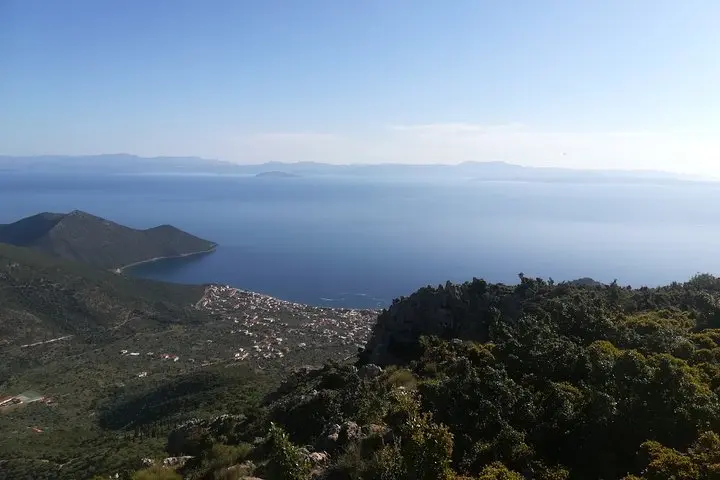
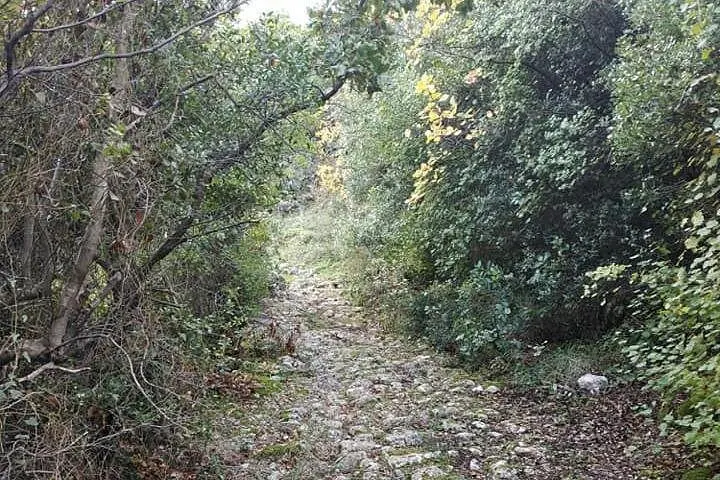
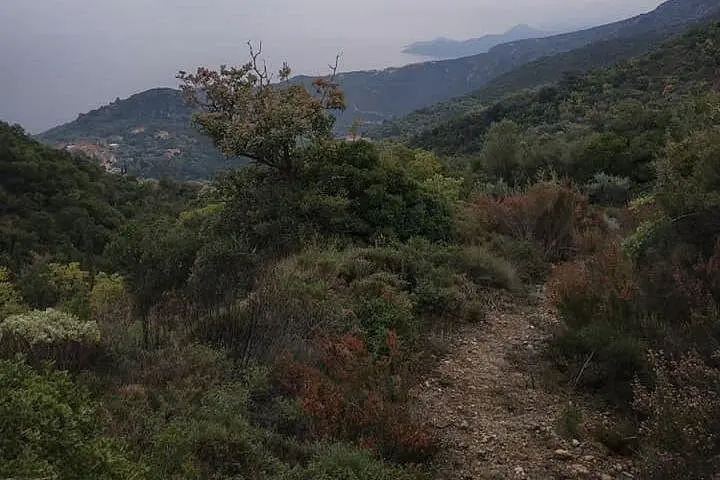
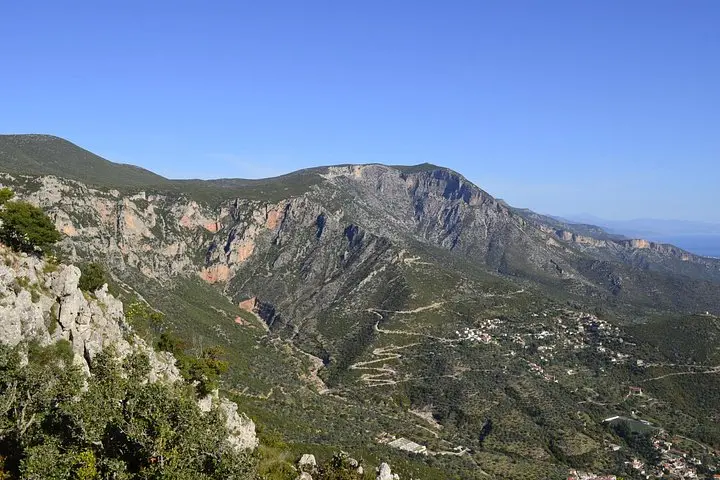
Morning light slides across the pebble port and the first houses of Tyros as a local guide checks maps and laces boots. The trail heads up from the old cobbled road, climbing between olive terraces, abandoned windmills, and the weathered stones of a ruined castle that keeps watch over the gulf. Salt air pulls at your sleeves; the mountain behind you releases pine-scented drafts that dare you onward.
Morning light slides across the pebble port and the first houses of Tyros as a local guide checks maps and laces boots. The trail heads up from the old cobbled road, climbing between olive terraces, abandoned windmills, and the weathered stones of a ruined castle that keeps watch over the gulf. Salt air pulls at your sleeves; the mountain behind you releases pine-scented drafts that dare you onward.
Tyros sits within the Tsakonian cultural pocket of eastern Arcadia — one of Greece’s living linguistic islands — and traces of bauxite mining and maritime trade scar the cliffs around Cape Trikeri. Geology here is coastal schist and pockets of red bauxite, which created small sea caves and crumbling quarry faces that photographers favor. The route balances low coastal ridges and easy inland switchbacks, offering repeated sea-and-mountain panoramas rather than long sustained climbs.
Expect 2–3 hours of mostly easy walking on mixed terrain: short cobbled sections, dirt tracks, and some rocky, uneven stretches by old mining caves. Guides pause at viewpoints, point out Tsakonian customs, and finish with Greek coffee or a cold refreshment by the sea — in summer the loop can include a swim stop at a beach bar.
Practical edge: wear sturdy shoes with good traction, carry sun protection and at least 1 liter of water, and prepare for brief rocky scrambles near caves. Families and older walkers will find the pace steady; keep cameras ready, but respect private land and fragile coastal flora.