THE ADVENTURE COLLECTIVE® · Independent discovery and booking for outdoor travel

A guided day hike from Praia into Serra Malagueta leads down into the lush Vale de Gongon — a green island valley with springs, traditional farms and sweeping volcanic ridgelines. Expect mixed terrain, cultural stops and a 4–5 hour outing for moderately fit hikers.
A guided day hike from Praia into Serra Malagueta leads down into the lush Vale de Gongon — a green island valley with springs, traditional farms and sweeping volcanic ridgelines. Expect mixed terrain, cultural stops and a 4–5 hour outing for moderately fit hikers.
A narrow track climbs out of a patchwork of terraced fields and suddenly the island opens — wind pushing through low pines, clouds skimming the ridge, and a ribbon of green valley far below that seems to hold water even in the dry season.
Verified experiences and guided adventures in the surrounding area.
Operated by RURAL TOURS · Assomada, Santiago
A narrow track climbs out of a patchwork of terraced fields and suddenly the island opens — wind pushing through low pines, clouds skimming the ridge, and a ribbon of green valley far below that seems to hold water even in the dry season.
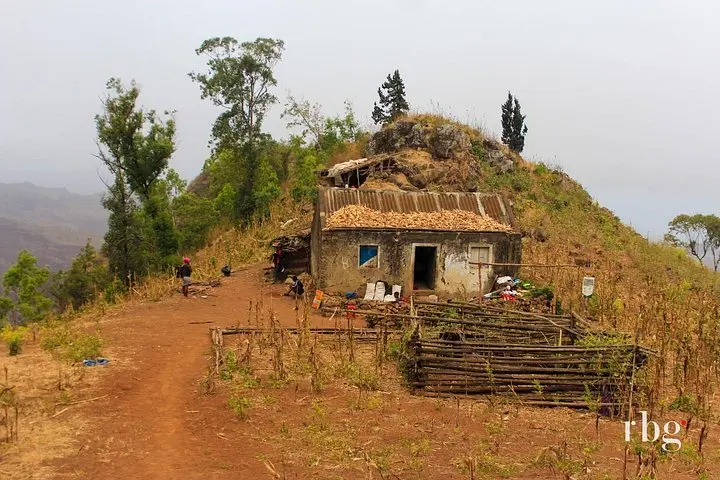
This guided day hike starts with a morning pickup in Praia and a scenic drive north to Serra Malagueta Natural Park, one of Santiago Island’s higher, cooler zones. Geologically the park is an uplifted volcanic massif with steep ravines carved by intermittent streams; the trail drops from volcanic ridgelines into Vale de Gongon, a pocket of year‑round vegetation sustained by seepage and small springs. Culturally, the route threads past small farms and villages where subsistence agriculture and goat herding remain the rhythm of life — guides often stop to introduce local food and customs.
Expect roughly 8–10 km of walking with several hundred meters of elevation change, mixed dirt track, rocky steps and narrow singletrack; the return includes some steady climbs and signposted footpaths. Wildlife is subtle: endemic birds flit in the brush and small lizards sun on boulders.
Practical guidance: start early to avoid midday heat, carry 2–3 liters of water, and wear sturdy shoes with good grip for steep, sometimes loose sections. Bring sun protection and a light rain layer — weather can shift quickly on the ridges. Respect private plots, accept local hospitality politely, and pack out any waste. The hike is a compact combination of mountain scenery, rural culture and accessible adventure for moderately fit walkers.
The guided outing lasts about 4–5 hours and covers roughly 8–10 km with several hundred meters of elevation change; it's rated moderate and suits those used to a few hours of walking on uneven ground.
Most guided tours include hotel pickup from Praia and a local lunch in or near Vale de Gongon; confirm details when booking.
The park has marked trails but a local guide improves navigation, cultural context and supports community‑based tourism; no special permit is normally required for day hikes.
Trails can be steep and rocky—people with serious back, heart or pregnancy restrictions are not recommended; bring basic first‑aid and inform the operator of any conditions.
RURAL TOURS operates guided outdoor trips and adventures with an emphasis on safety, stewardship, and memorable experiences.
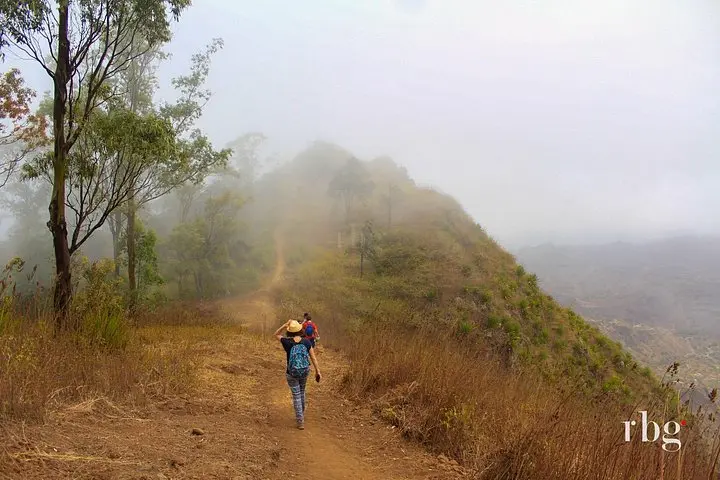
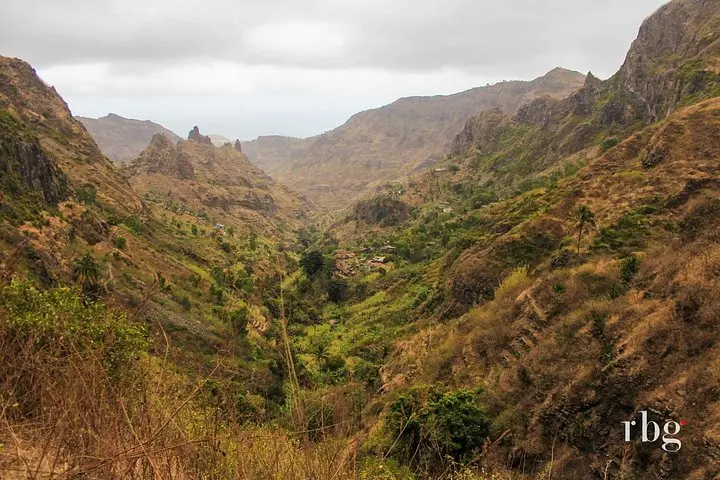
A narrow track climbs out of a patchwork of terraced fields and suddenly the island opens — wind pushing through low pines, clouds skimming the ridge, and a ribbon of green valley far below that seems to hold water even in the dry season.
A narrow track climbs out of a patchwork of terraced fields and suddenly the island opens — wind pushing through low pines, clouds skimming the ridge, and a ribbon of green valley far below that seems to hold water even in the dry season.
This guided day hike starts with a morning pickup in Praia and a scenic drive north to Serra Malagueta Natural Park, one of Santiago Island’s higher, cooler zones. Geologically the park is an uplifted volcanic massif with steep ravines carved by intermittent streams; the trail drops from volcanic ridgelines into Vale de Gongon, a pocket of year‑round vegetation sustained by seepage and small springs. Culturally, the route threads past small farms and villages where subsistence agriculture and goat herding remain the rhythm of life — guides often stop to introduce local food and customs.
Expect roughly 8–10 km of walking with several hundred meters of elevation change, mixed dirt track, rocky steps and narrow singletrack; the return includes some steady climbs and signposted footpaths. Wildlife is subtle: endemic birds flit in the brush and small lizards sun on boulders.
Practical guidance: start early to avoid midday heat, carry 2–3 liters of water, and wear sturdy shoes with good grip for steep, sometimes loose sections. Bring sun protection and a light rain layer — weather can shift quickly on the ridges. Respect private plots, accept local hospitality politely, and pack out any waste. The hike is a compact combination of mountain scenery, rural culture and accessible adventure for moderately fit walkers.