THE ADVENTURE COLLECTIVE® · Independent discovery and booking for outdoor travel

Walk through the sculpted, myth-steeped Medici park of Pratolino with a knowledgeable guide and explore grottoes, monumental trees, and Giambologna’s Appennino. This 3–4 hour hike combines Renaissance history, Mediterranean ecology, and steady uphill trail work—ideal for travelers seeking culture and nature in one outing.
Walk through the sculpted, myth-steeped Medici park of Pratolino with a knowledgeable guide and explore grottoes, monumental trees, and Giambologna’s Appennino. This 3–4 hour hike combines Renaissance history, Mediterranean ecology, and steady uphill trail work—ideal for travelers seeking culture and nature in one outing.
Morning light sifts through plane trees as you step into Parco di Pratolino, the Medici garden once called the 'Garden of the Gods.' The trail climbs beside monumental cedars and chestnuts, past mossed statues and the half-hidden Appennino, Giambologna's dramatic stone giant that still looms over the valley.
Verified experiences and guided adventures in the surrounding area.
Operated by Marco Mocellin · Vaglia, Tuscany
Morning light sifts through plane trees as you step into Parco di Pratolino, the Medici garden once called the 'Garden of the Gods.' The trail climbs beside monumental cedars and chestnuts, past mossed statues and the half-hidden Appennino, Giambologna's dramatic stone giant that still looms over the valley.
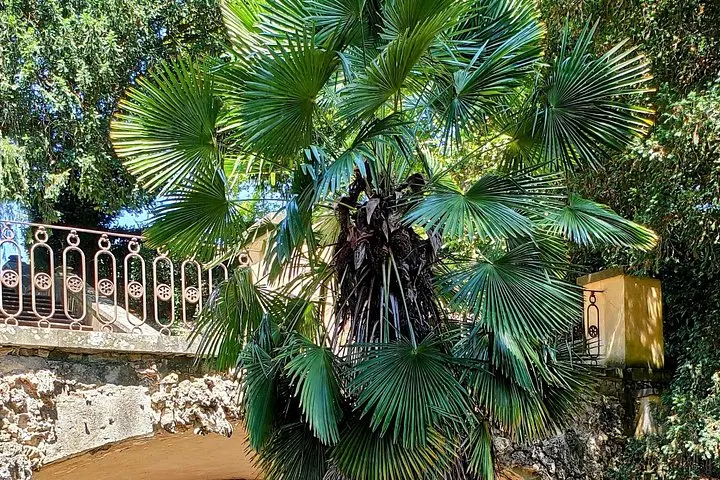
The route traces layers of Renaissance ambition and natural history: Buontalenti's grotto ideas, the Medici taste for myth, and later 19th-century changes that left the park a mix of sculpted baroque and wild forest. Geologically the slopes sit on clay and sandstone outcrops of the Tuscan hills, giving the soil a warm, gritty feel underfoot and producing Mediterranean scrub, oak, and chestnut stands that support bees and migrating birds.
Culturally the walk reads like a timeline—mythic statues that reference Daphne and Athena, aristocratic hunting grounds turned public parkland. Guides point out alchemical motifs carved into fountains and the deliberate sightlines set to surprise visitors as they round a bend.
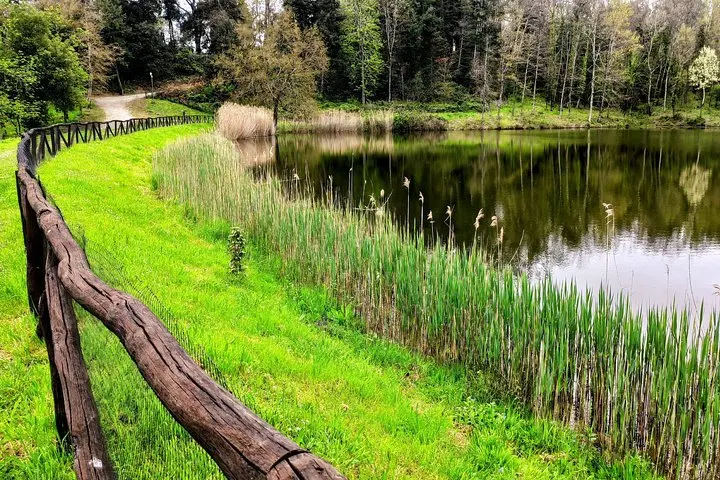
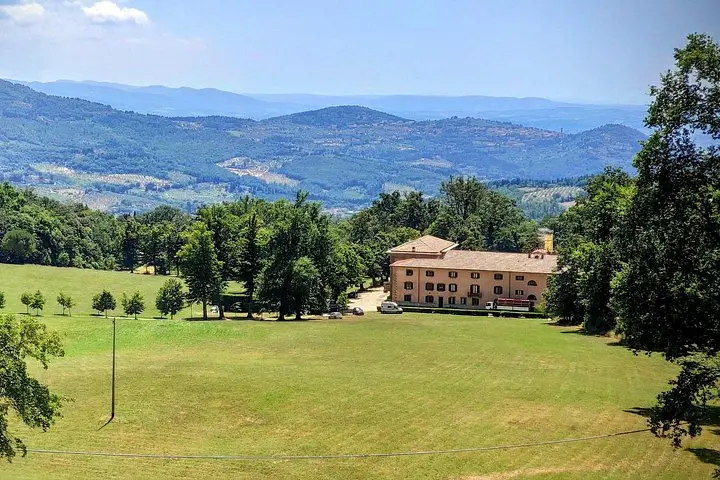
Expect a steady, unpaved uphill with some stone steps and uneven roots over about 8–10 km round-trip depending on route and roughly 300–350 m of cumulative ascent on longer variations. A private guide combines stories with stops at grottos and viewpoints; public buses run from Florence for access.
Practical tips: wear ankle-supporting shoes, carry 1–2 liters of water, bring a light rain layer, and plan for 3–4 hours including stops. Respect restricted areas and leave no trace—this landscape remains fragile and valued by local conservation groups. Best times are spring and early autumn, mornings.
Plan on 3–4 hours with steady uphill sections; expect 300–350 m of cumulative ascent on longer routes—suitable for those with moderate fitness.
This listing is for a private guided hike, but you can access the park independently by public bus from Florence if you prefer self-guiding.
Regular local buses run north from Florence toward Vaglia; check ATAF schedules or take a short taxi for direct access to the park entrance.
Service animals are allowed; the route is family-friendly for older children but contains uneven terrain—strollers are not suitable.
Marco Mocellin operates guided outdoor trips and adventures with an emphasis on safety, stewardship, and memorable experiences.
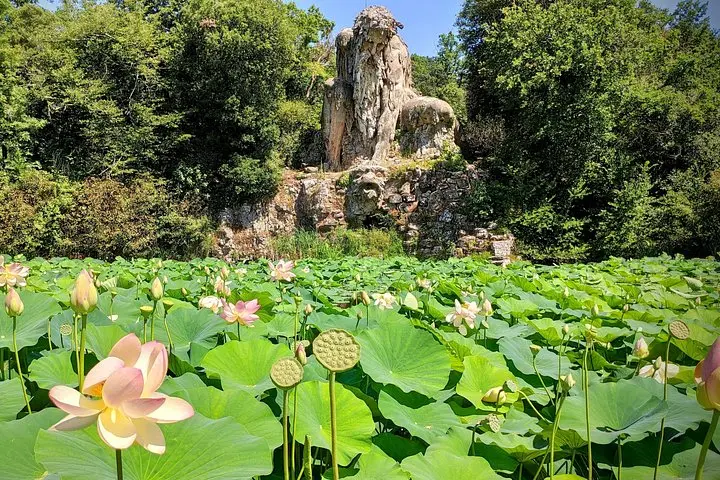
Morning light sifts through plane trees as you step into Parco di Pratolino, the Medici garden once called the 'Garden of the Gods.' The trail climbs beside monumental cedars and chestnuts, past mossed statues and the half-hidden Appennino, Giambologna's dramatic stone giant that still looms over the valley.
Morning light sifts through plane trees as you step into Parco di Pratolino, the Medici garden once called the 'Garden of the Gods.' The trail climbs beside monumental cedars and chestnuts, past mossed statues and the half-hidden Appennino, Giambologna's dramatic stone giant that still looms over the valley.
The route traces layers of Renaissance ambition and natural history: Buontalenti's grotto ideas, the Medici taste for myth, and later 19th-century changes that left the park a mix of sculpted baroque and wild forest. Geologically the slopes sit on clay and sandstone outcrops of the Tuscan hills, giving the soil a warm, gritty feel underfoot and producing Mediterranean scrub, oak, and chestnut stands that support bees and migrating birds.
Culturally the walk reads like a timeline—mythic statues that reference Daphne and Athena, aristocratic hunting grounds turned public parkland. Guides point out alchemical motifs carved into fountains and the deliberate sightlines set to surprise visitors as they round a bend.
Expect a steady, unpaved uphill with some stone steps and uneven roots over about 8–10 km round-trip depending on route and roughly 300–350 m of cumulative ascent on longer variations. A private guide combines stories with stops at grottos and viewpoints; public buses run from Florence for access.
Practical tips: wear ankle-supporting shoes, carry 1–2 liters of water, bring a light rain layer, and plan for 3–4 hours including stops. Respect restricted areas and leave no trace—this landscape remains fragile and valued by local conservation groups. Best times are spring and early autumn, mornings.