THE ADVENTURE COLLECTIVE® · Independent discovery and booking for outdoor travel

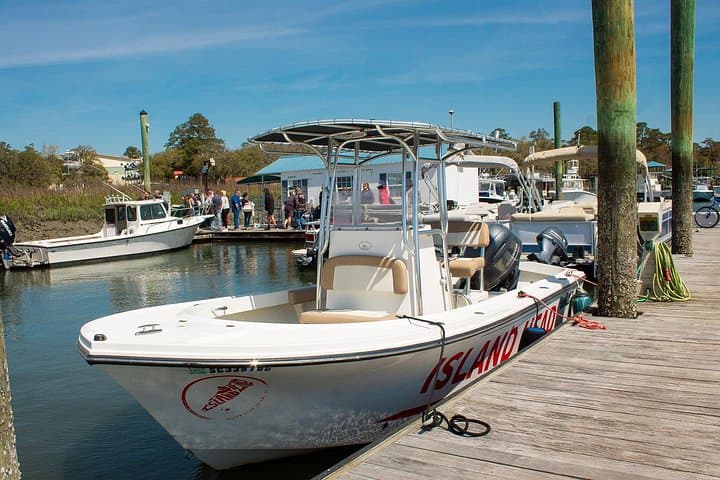
Spend four hours fishing the Lowcountry aboard a private 21-foot Parker center console. Target redfish, speckled trout, flounder, and more with all gear, bait, and fish cleaning included.
Spend four hours fishing the Lowcountry aboard a private 21-foot Parker center console. Target redfish, speckled trout, flounder, and more with all gear, bait, and fish cleaning included.
The engine hums, the Parker slips off the dock, and the salt air rearranges a traveler's thoughts—this is inshore fishing along Hilton Head's Lowcountry, where marsh grass edges channel mouths and the tide writes the day's plan.
Verified experiences and guided adventures in the surrounding area.
Operated by Island Head at Broad Creek · Hilton Head Island, South Carolina
The engine hums, the Parker slips off the dock, and the salt air rearranges a traveler's thoughts—this is inshore fishing along Hilton Head's Lowcountry, where marsh grass edges channel mouths and the tide writes the day's plan.
The region's coastline is defined by broad tidal creeks and barrier islands shaped over millennia by sea-level shifts and estuarine currents. European colonial trade, rice plantations, and the enduring Gullah-Geechee culture left practical marks on the landscape; today, captains read those tidal cadences the same way earlier mariners read the charts.
Expect flats and channels where redfish patrol, speckled trout lie under chop, and black drum cruise bait-rich beds. The captain targets structure—oyster bars, drop-offs, creek mouths—where fish congregate. Marshland geology means shallow sand and mud flats that change with each tide; timing is everything. Coastal birds mark life below the surface, and dolphins occasionally cut the horizon, investigating the commotion.
Practically: trips are four hours aboard a 21-foot center console, max six people; gear, bait, bottled water, and cleaning are provided. Wear polarized sunglasses, non-slip shoes, and a light jacket for breezy mornings. Bring sun protection and a small dry bag for keys and phones. If prone to seasickness, take medication beforehand—the low chop of inshore water is forgiving but can surprise.
On a good day you leave with actionable tips from an experienced captain, fillets in a cooler, and a clear sense of how the tide and local structure shape success. For first-timers this is a manageable, instructive way into coastal angling; for experienced anglers, it’s efficient access to inshore species and changing water.
Licenses are typically included for the charter within South Carolina waters, but confirm with the operator—children and visiting anglers should verify current regulations.
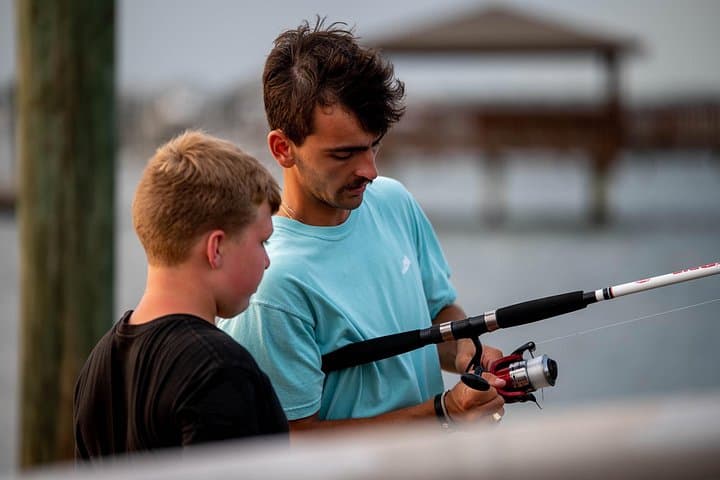
Yes—trips are tailored to skill level, and the captain will provide instruction on casting, rigging, and landing fish.
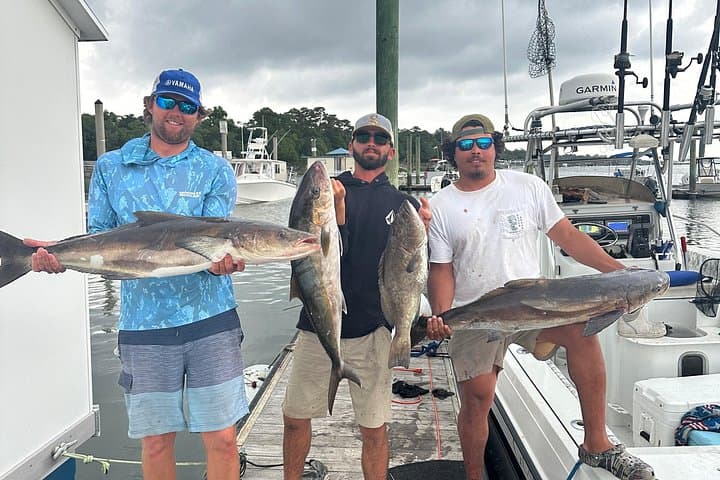
Common inshore targets include redfish, speckled trout, flounder, and black drum; seasonal arrivals and water conditions affect availability.
Yes—the charter includes cleaning and filleting so you leave with ready-to-cook portions.
Island Head at Broad Creek operates guided outdoor trips and adventures with an emphasis on safety, stewardship, and memorable experiences.

The engine hums, the Parker slips off the dock, and the salt air rearranges a traveler's thoughts—this is inshore fishing along Hilton Head's Lowcountry, where marsh grass edges channel mouths and the tide writes the day's plan.
The engine hums, the Parker slips off the dock, and the salt air rearranges a traveler's thoughts—this is inshore fishing along Hilton Head's Lowcountry, where marsh grass edges channel mouths and the tide writes the day's plan.
The region's coastline is defined by broad tidal creeks and barrier islands shaped over millennia by sea-level shifts and estuarine currents. European colonial trade, rice plantations, and the enduring Gullah-Geechee culture left practical marks on the landscape; today, captains read those tidal cadences the same way earlier mariners read the charts.
Expect flats and channels where redfish patrol, speckled trout lie under chop, and black drum cruise bait-rich beds. The captain targets structure—oyster bars, drop-offs, creek mouths—where fish congregate. Marshland geology means shallow sand and mud flats that change with each tide; timing is everything. Coastal birds mark life below the surface, and dolphins occasionally cut the horizon, investigating the commotion.
Practically: trips are four hours aboard a 21-foot center console, max six people; gear, bait, bottled water, and cleaning are provided. Wear polarized sunglasses, non-slip shoes, and a light jacket for breezy mornings. Bring sun protection and a small dry bag for keys and phones. If prone to seasickness, take medication beforehand—the low chop of inshore water is forgiving but can surprise.
On a good day you leave with actionable tips from an experienced captain, fillets in a cooler, and a clear sense of how the tide and local structure shape success. For first-timers this is a manageable, instructive way into coastal angling; for experienced anglers, it’s efficient access to inshore species and changing water.