THE ADVENTURE COLLECTIVE® · Independent discovery and booking for outdoor travel

A 12-day circuit through Nepal and Bhutan that pairs Kathmandu’s ancient temples and Pokhara’s lake views with Chitwan wildlife and Bhutan’s highland monasteries. Expect scenic drives, a challenging climb to Paro Taktsang, and guided cultural encounters.
A 12-day circuit through Nepal and Bhutan that pairs Kathmandu’s ancient temples and Pokhara’s lake views with Chitwan wildlife and Bhutan’s highland monasteries. Expect scenic drives, a challenging climb to Paro Taktsang, and guided cultural encounters.
You step off the plane into Kathmandu’s warm, dusty air and the Himalaya leans into view like a promise: distant ridgelines sketched in blue.
Verified experiences and guided adventures in the surrounding area.
Operated by Peregrine Treks and Tours · Kathmandu, Bagmati Province
You step off the plane into Kathmandu’s warm, dusty air and the Himalaya leans into view like a promise: distant ridgelines sketched in blue.
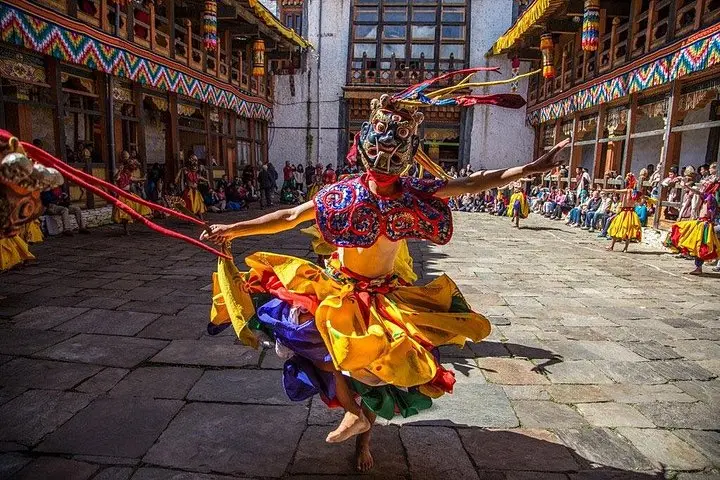
Over 12 days the route moves from Kathmandu’s ancient temples to Pokhara’s mirrored lake, the lowland jungles of Chitwan, and Bhutan’s pine-lined valleys — a trip that stitches together geology, faith and a living mountain culture. Kathmandu Valley bears Lichhavi and Newar layers: Durbar Squares and stupas that record centuries of trade, royal power and tantric ritual. The drive to Pokhara follows the Prithvi Highway for roughly 200 km (7–9 hours), trading terraced rice fields for Annapurna views; Chitwan drops you into sub-tropical floodplain and the habitat of the one-horned rhino and marsh-loving gharial.
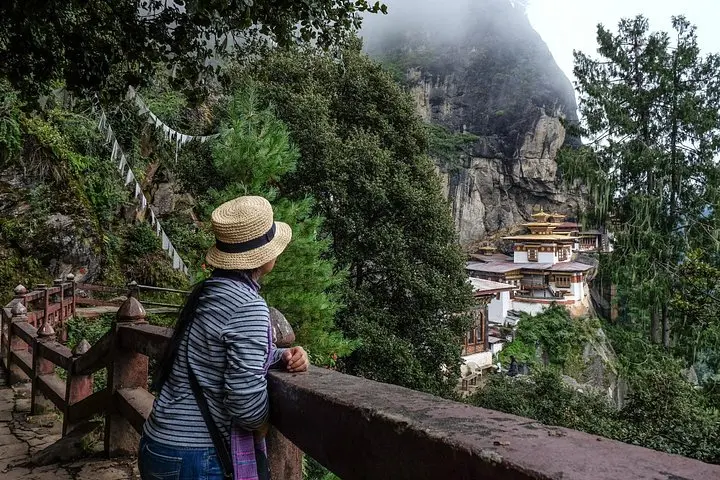
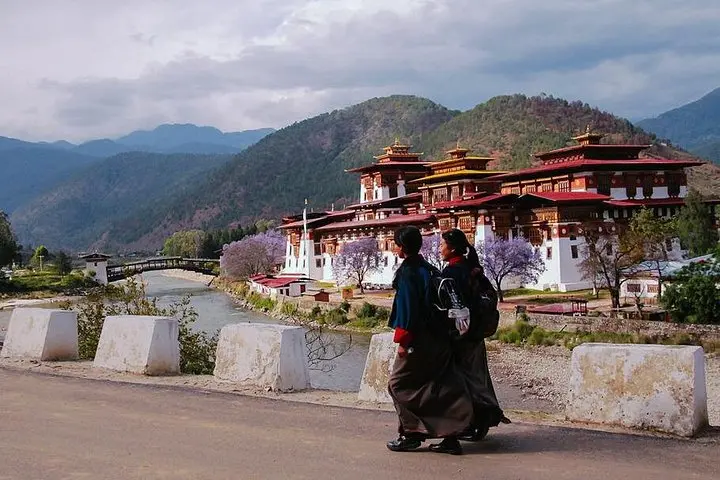
Bhutan shifts the pace — highland roads climb through the Dochu La with its 108 memorial chortens and into Thimphu’s tidy civic life. Paro’s cliffside Paro Taktsang (Tiger’s Nest) sits 900 m above the valley; the standard round-trip hike is ~4 km each way with about 900 m (3,000 ft) of ascent, typically 2–3 hours to the monastery’s viewpoint.
Practical guidance: travel is by air and road with airport transfers included; most nights are in 3-star hotels. Pack sturdy hiking shoes for short but steep trails, a rain shell, sun protection, and basic meds. Respect local customs at sacred sites, carry cash for rural purchases, and follow guides’ instructions in Chitwan — wildlife sightings are opportunistic, not guaranteed. With moderate fitness and cultural curiosity you’ll leave with landscapes that push at your edges and histories that hold steady.
Yes — most visitors obtain a Nepal visa on arrival (check current requirements); Bhutan visas are arranged by licensed tour operators and included in the group processing on this itinerary.
Expect a steep 2–3 hour ascent covering ~4 km one way with ~900 m elevation gain; fit hikers can do it without technical gear, and pony hires are available for part of the route.
Chitwan is prime habitat for one-horned rhinos and Bengal tigers, but sightings are not guaranteed — guides increase chances via early morning safaris and canoe trips.
Nepal immigration may request a vaccination report or recent PCR test; check current entry rules and consult a travel clinic for recommended vaccines well before departure.
Peregrine Treks and Tours operates guided outdoor trips and adventures with an emphasis on safety, stewardship, and memorable experiences.

You step off the plane into Kathmandu’s warm, dusty air and the Himalaya leans into view like a promise: distant ridgelines sketched in blue.
You step off the plane into Kathmandu’s warm, dusty air and the Himalaya leans into view like a promise: distant ridgelines sketched in blue.
Over 12 days the route moves from Kathmandu’s ancient temples to Pokhara’s mirrored lake, the lowland jungles of Chitwan, and Bhutan’s pine-lined valleys — a trip that stitches together geology, faith and a living mountain culture. Kathmandu Valley bears Lichhavi and Newar layers: Durbar Squares and stupas that record centuries of trade, royal power and tantric ritual. The drive to Pokhara follows the Prithvi Highway for roughly 200 km (7–9 hours), trading terraced rice fields for Annapurna views; Chitwan drops you into sub-tropical floodplain and the habitat of the one-horned rhino and marsh-loving gharial.
Bhutan shifts the pace — highland roads climb through the Dochu La with its 108 memorial chortens and into Thimphu’s tidy civic life. Paro’s cliffside Paro Taktsang (Tiger’s Nest) sits 900 m above the valley; the standard round-trip hike is ~4 km each way with about 900 m (3,000 ft) of ascent, typically 2–3 hours to the monastery’s viewpoint.
Practical guidance: travel is by air and road with airport transfers included; most nights are in 3-star hotels. Pack sturdy hiking shoes for short but steep trails, a rain shell, sun protection, and basic meds. Respect local customs at sacred sites, carry cash for rural purchases, and follow guides’ instructions in Chitwan — wildlife sightings are opportunistic, not guaranteed. With moderate fitness and cultural curiosity you’ll leave with landscapes that push at your edges and histories that hold steady.