THE ADVENTURE COLLECTIVE® · Independent discovery and booking for outdoor travel

A compact multi-day trek and cultural stay around Khati that combines high-meadow camping on Bajling Dhar with village homestays and rich birdwatching in Dau and Jaikhuni. Expect steep forested climbs, alpine views of Nanda Devi and Trishul, and evenings by a bonfire with local hosts.
A compact multi-day trek and cultural stay around Khati that combines high-meadow camping on Bajling Dhar with village homestays and rich birdwatching in Dau and Jaikhuni. Expect steep forested climbs, alpine views of Nanda Devi and Trishul, and evenings by a bonfire with local hosts.
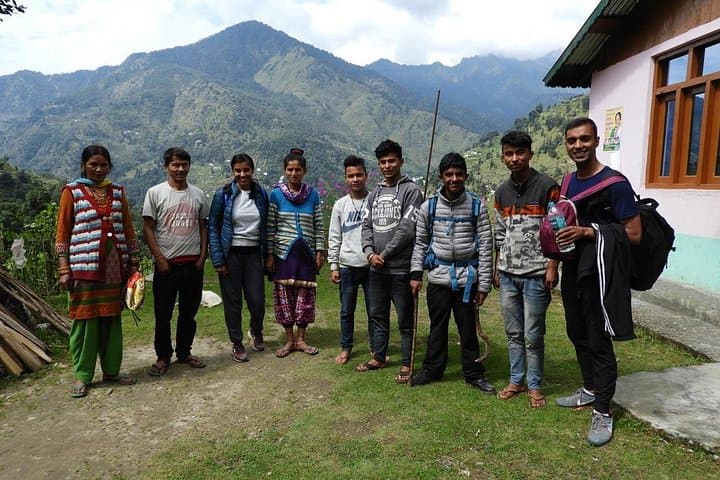
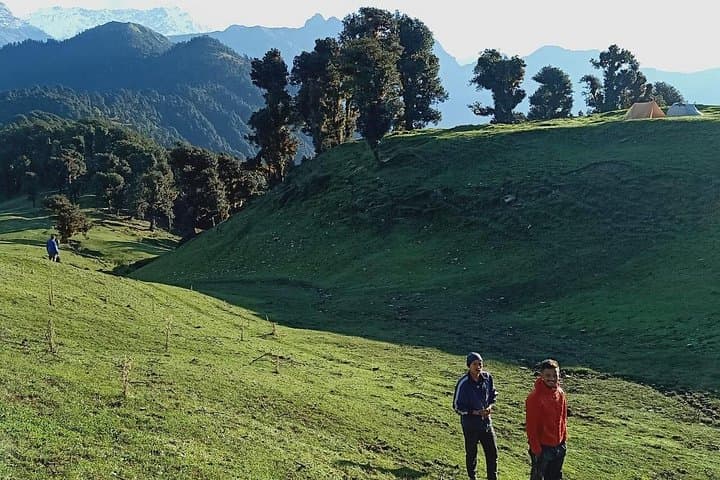
A thin blue light eases over oak and rhododendron as the village of Khati wakes. Morning tea steams on a guest-house roof while a trail slips upward, first through schoolyard terraces then into a fir-scented corridor. The climb opens onto Bajling Dhar, a high meadow where the greater Himalaya—Maiktoli, Panwali Dwar, Trishul and Nanda Devi—slice the horizon and alpine winds dare you to stay longer.
Verified experiences and guided adventures in the surrounding area.
Operated by travelderness · Khati, Uttarakhand
A thin blue light eases over oak and rhododendron as the village of Khati wakes. Morning tea steams on a guest-house roof while a trail slips upward, first through schoolyard terraces then into a fir-scented corridor. The climb opens onto Bajling Dhar, a high meadow where the greater Himalaya—Maiktoli, Panwali Dwar, Trishul and Nanda Devi—slice the horizon and alpine winds dare you to stay longer.
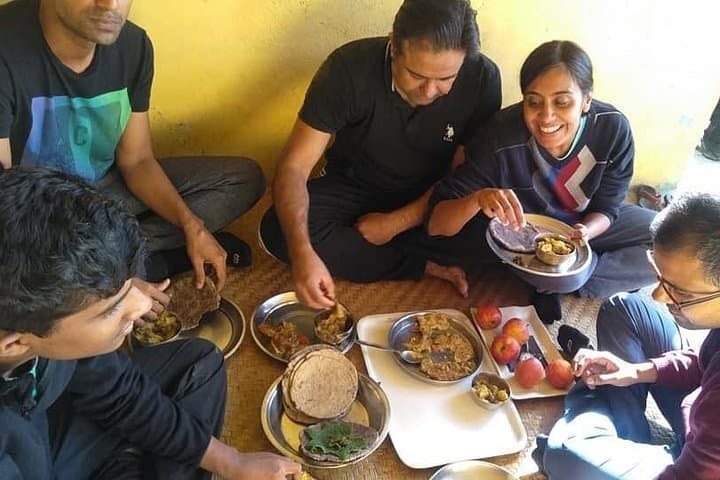
This route threads human history and high geology: Pindar- and Sunderdunga-fed glaciers carved the valley, and villages here have adapted to short growing seasons by relying on potatoes, millets and pastoral rhythms. Cultural life centers on seasonal festivals, oral stories and the harvest of high-altitude resources such as keedajadi—activities that shape daily timetables and hospitality. Birders will prize dawn watches in Dau and Jaikhuni; Monal and other high-elevation species are common sights.
Practically, expect a mix of 4–5 km day-hikes on unpaved, sometimes steep tracks with stream crossings and 700–1,000 m of cumulative ascent on the Bajling Dhar day. Altitude ranges roughly 2,700–3,000 m at higher meadows; one night’s camping there is standard. Pack layered clothing, sturdy boots, water and a small first-aid kit; plan for cold nights even in summer. Acclimatize at village altitude before the meadow push, and respect local customs—ask before photographing homes. The trail is best tackled in clear weather for summit views; early mornings reward both sunrise panoramas and peak bird activity. For travelers seeking cultural exchange, wildlife and compact alpine trekking, Khati delivers a grounded Himalayan experience with practical rhythms and memorable vistas.
The hike is a steep 4–5 km with roughly 500–900 m of ascent depending on route; it takes 2–3 hours for fit walkers and is rated moderate.
Most village walks and meadow camps around Khati are community-based and do not require formal permits, but check with your operator—local permissions and camping fees may apply.
High-elevation birds such as the Himalayan Monal and various thrushes are commonly seen; mammals are rarer but you might spot Himalayan langur or small mountain ungulates.
Not recommended for pregnant travelers or people with serious cardiovascular issues; children with good stamina can join but should be assessed for altitude tolerance.
travelderness operates guided outdoor trips and adventures with an emphasis on safety, stewardship, and memorable experiences.
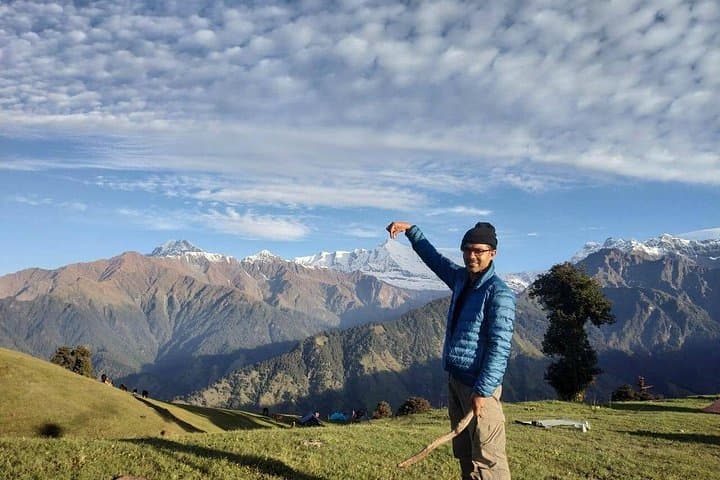
A thin blue light eases over oak and rhododendron as the village of Khati wakes. Morning tea steams on a guest-house roof while a trail slips upward, first through schoolyard terraces then into a fir-scented corridor. The climb opens onto Bajling Dhar, a high meadow where the greater Himalaya—Maiktoli, Panwali Dwar, Trishul and Nanda Devi—slice the horizon and alpine winds dare you to stay longer.
A thin blue light eases over oak and rhododendron as the village of Khati wakes. Morning tea steams on a guest-house roof while a trail slips upward, first through schoolyard terraces then into a fir-scented corridor. The climb opens onto Bajling Dhar, a high meadow where the greater Himalaya—Maiktoli, Panwali Dwar, Trishul and Nanda Devi—slice the horizon and alpine winds dare you to stay longer.
This route threads human history and high geology: Pindar- and Sunderdunga-fed glaciers carved the valley, and villages here have adapted to short growing seasons by relying on potatoes, millets and pastoral rhythms. Cultural life centers on seasonal festivals, oral stories and the harvest of high-altitude resources such as keedajadi—activities that shape daily timetables and hospitality. Birders will prize dawn watches in Dau and Jaikhuni; Monal and other high-elevation species are common sights.
Practically, expect a mix of 4–5 km day-hikes on unpaved, sometimes steep tracks with stream crossings and 700–1,000 m of cumulative ascent on the Bajling Dhar day. Altitude ranges roughly 2,700–3,000 m at higher meadows; one night’s camping there is standard. Pack layered clothing, sturdy boots, water and a small first-aid kit; plan for cold nights even in summer. Acclimatize at village altitude before the meadow push, and respect local customs—ask before photographing homes. The trail is best tackled in clear weather for summit views; early mornings reward both sunrise panoramas and peak bird activity. For travelers seeking cultural exchange, wildlife and compact alpine trekking, Khati delivers a grounded Himalayan experience with practical rhythms and memorable vistas.