THE ADVENTURE COLLECTIVE® · Independent discovery and booking for outdoor travel

Two hours from Abidjan, a short walk through Agneby‑Tiassa’s primary forest leads to riverside vantage points where hippos surface and graze. This day tour mixes intimate wildlife viewing, local coffee at Bini Forest, and a communal Ivorian meal.
Two hours from Abidjan, a short walk through Agneby‑Tiassa’s primary forest leads to riverside vantage points where hippos surface and graze. This day tour mixes intimate wildlife viewing, local coffee at Bini Forest, and a communal Ivorian meal.
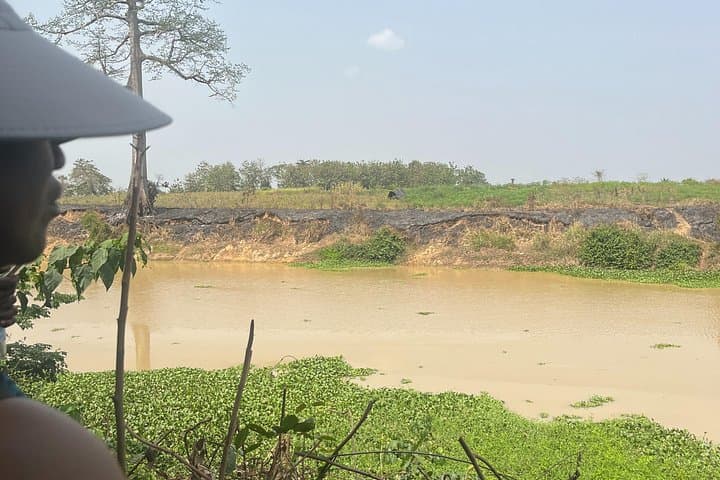
You step from the van into humid air and the sound of water: the N’Zi river threads the valley ahead, and the forest edge stands like a quiet, watchful companion. The guide points to a narrow track — a 1 km walk along a shaded trail through protected primary forest — and the group moves slow, senses tuned for the low-slung shapes that make this place famous.
Verified experiences and guided adventures in the surrounding area.
Operated by Train & Travel · Tiassalé, Agneby-Tiassa
You step from the van into humid air and the sound of water: the N’Zi river threads the valley ahead, and the forest edge stands like a quiet, watchful companion. The guide points to a narrow track — a 1 km walk along a shaded trail through protected primary forest — and the group moves slow, senses tuned for the low-slung shapes that make this place famous.
Agneby-Tiassa is agricultural country shaped by river sediments; scattered patches of primary forest survive here, holding older trees and the small clearings hippos use to graze. Historically the region linked inland trade routes with Abidjan’s port, and local villages still center communal meals and coffee rituals — expect a stop in Bini Forest for Ivoirian coffee and modest market stalls.
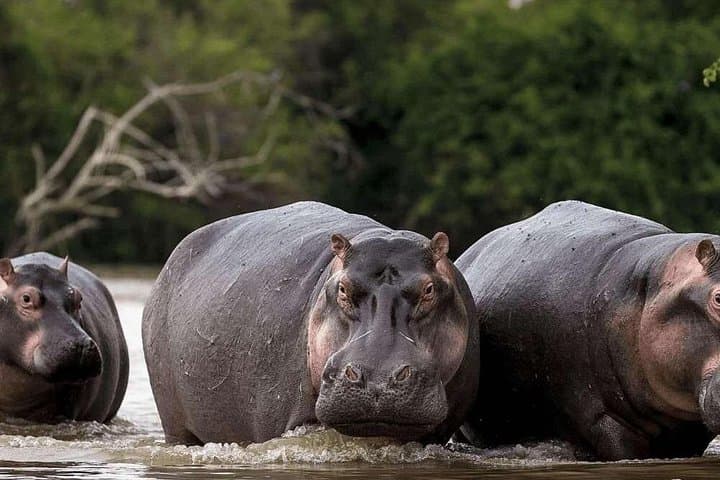
The core experience is straightforward: a short, purposeful walk to a riverside watch point where hippos can be observed from a respectful distance as they surface, yawn, and return to the water. Wildlife watching here is intimate and raw — the river and hippos set the pace.
Practical guidance: plan for a 7‑hour excursion (transport included), bring insect repellent, sun protection, and sturdy closed-toe shoes for wet, uneven ground. Mornings and late afternoons are best for hippo activity; mid-day heat makes animals less visible. Keep quiet, maintain recommended distance from the water, and follow your guide’s instructions — hippos are territorial and deceptively fast on land. The tour finishes with a “10 fingers” feast and local drinks, a chance to trade stories and buy small crafts before returning to Abidjan.
Guides position viewers at riverside vantage points at a safe, non-intrusive distance; you’ll observe hippo behavior without entering their space.
The walk is short (1 km) and generally low-impact, but riverbank viewing can require stable footing; check with the operator about mobility needs before booking.
The tour includes a local ‘10 fingers’ meal with soft drinks and coffee; you can also buy local snacks at Bini Forest—bring cash for purchases and any dietary notes when booking.
Hippos are often most visible in early morning and late afternoon when they move between grazing areas and water; midday can be quieter.
Train & Travel operates guided outdoor trips and adventures with an emphasis on safety, stewardship, and memorable experiences.
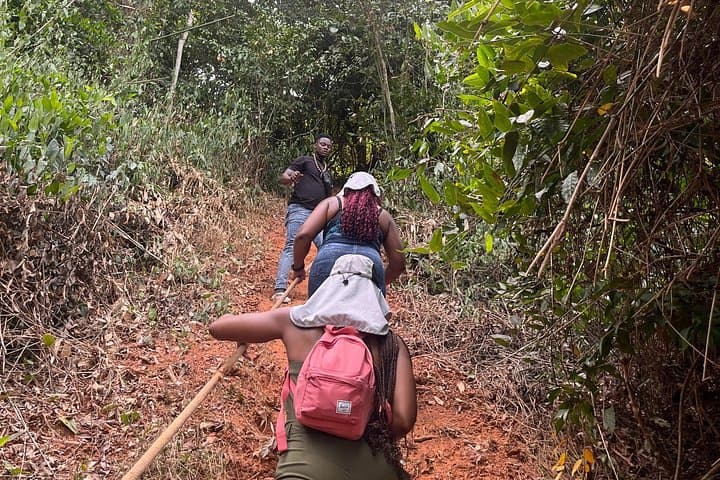
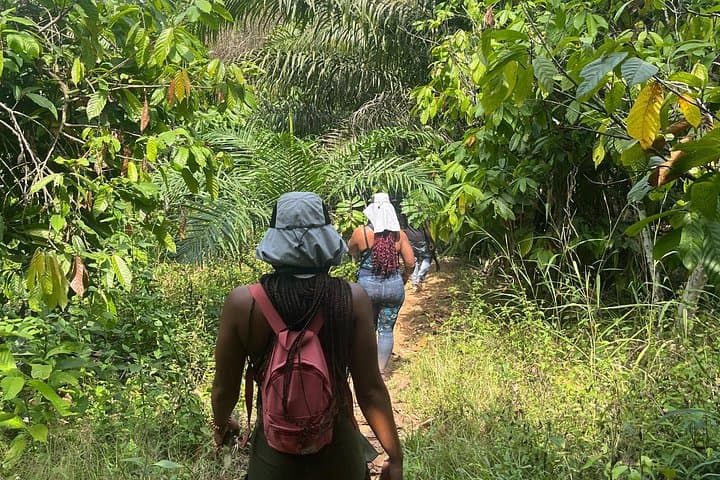
You step from the van into humid air and the sound of water: the N’Zi river threads the valley ahead, and the forest edge stands like a quiet, watchful companion. The guide points to a narrow track — a 1 km walk along a shaded trail through protected primary forest — and the group moves slow, senses tuned for the low-slung shapes that make this place famous.
You step from the van into humid air and the sound of water: the N’Zi river threads the valley ahead, and the forest edge stands like a quiet, watchful companion. The guide points to a narrow track — a 1 km walk along a shaded trail through protected primary forest — and the group moves slow, senses tuned for the low-slung shapes that make this place famous.
Agneby-Tiassa is agricultural country shaped by river sediments; scattered patches of primary forest survive here, holding older trees and the small clearings hippos use to graze. Historically the region linked inland trade routes with Abidjan’s port, and local villages still center communal meals and coffee rituals — expect a stop in Bini Forest for Ivoirian coffee and modest market stalls.
The core experience is straightforward: a short, purposeful walk to a riverside watch point where hippos can be observed from a respectful distance as they surface, yawn, and return to the water. Wildlife watching here is intimate and raw — the river and hippos set the pace.
Practical guidance: plan for a 7‑hour excursion (transport included), bring insect repellent, sun protection, and sturdy closed-toe shoes for wet, uneven ground. Mornings and late afternoons are best for hippo activity; mid-day heat makes animals less visible. Keep quiet, maintain recommended distance from the water, and follow your guide’s instructions — hippos are territorial and deceptively fast on land. The tour finishes with a “10 fingers” feast and local drinks, a chance to trade stories and buy small crafts before returning to Abidjan.