THE ADVENTURE COLLECTIVE® · Independent discovery and booking for outdoor travel

Spend a full day exploring Miyajima’s iconic Itsukushima Shrine and Hiroshima’s Peace Memorial Park with a licensed English guide. Expect ferry crossings, close encounters with tame deer, and approximately 8–9 hours of sightseeing with lunch on your own.
Spend a full day exploring Miyajima’s iconic Itsukushima Shrine and Hiroshima’s Peace Memorial Park with a licensed English guide. Expect ferry crossings, close encounters with tame deer, and approximately 8–9 hours of sightseeing with lunch on your own.
The tour begins on a crisp morning at Hotel Granvia Hiroshima; buses pull away and the city’s straight avenues give way to the soft blue of the Seto Inland Sea. By ferry the torii of Itsukushima appears like a stage set against the tidal flats, and the island’s deer—curious and unhurried—pad through the alleys as if guiding visitors toward the shrine.
Verified experiences and guided adventures in the surrounding area.
Operated by JTB Global Marketing & Travel Inc. · Hiroshima, Hiroshima Prefecture
The tour begins on a crisp morning at Hotel Granvia Hiroshima; buses pull away and the city’s straight avenues give way to the soft blue of the Seto Inland Sea. By ferry the torii of Itsukushima appears like a stage set against the tidal flats, and the island’s deer—curious and unhurried—pad through the alleys as if guiding visitors toward the shrine.
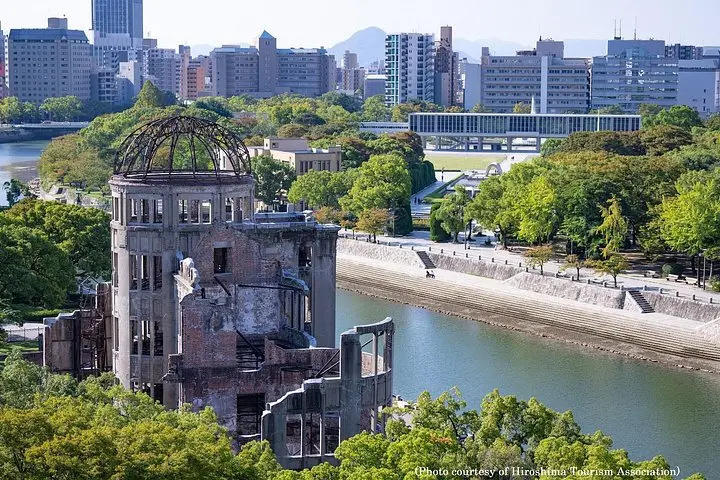
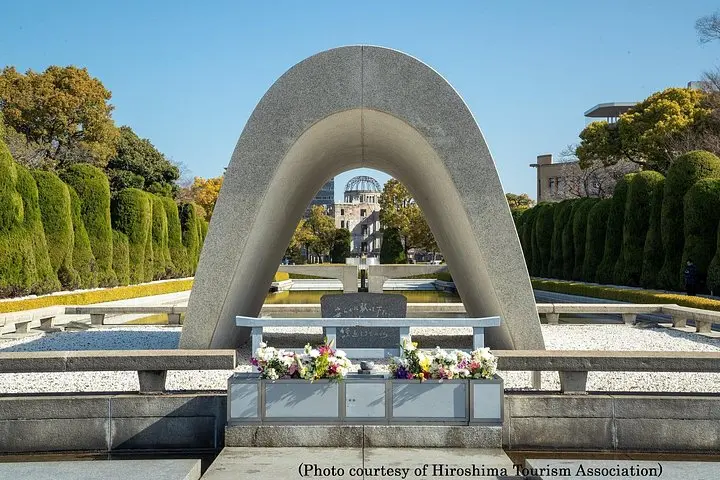
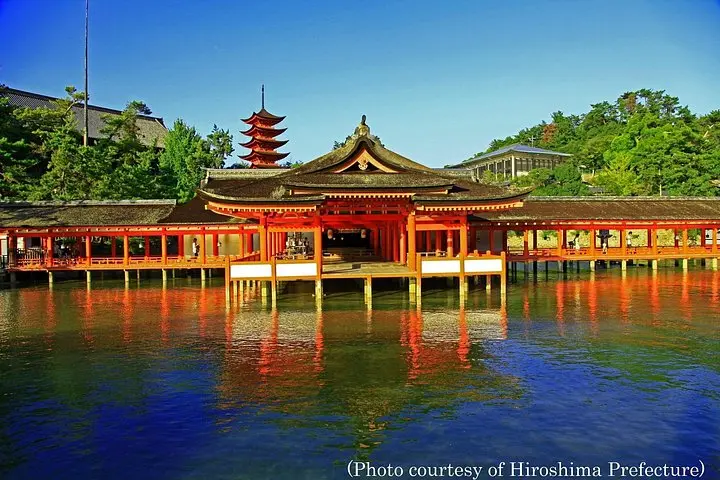
Itsukushima Shrine dates back centuries and its raised, lacquered pavilions reflect Heian-period court architecture. Across the water in Hiroshima, the Peace Memorial Park and the Atomic Bomb Dome are sober, direct reminders of 20th‑century history; the museum reopened in 2019 with updated exhibits that contextualize the bombing and post‑war recovery.
Geology here is gentle: volcanic islands and eroded headlands create sheltered channels that have shaped commerce and culture for generations. The island’s seafood traditions—oysters and grilled conger—are part of daily life; the main street near the ferry pier offers small shops and casual restaurants where lunch is unstructured and flexible.
Practically, expect an 8–9 hour outing with moderate walking on wooden boardwalks, stone steps, and paved streets. Lunch is not included; carry cash for small vendors. Travelers with a Japan Rail Pass should time their Shinkansen to reach Hotel Granvia’s 10:10 meeting time. The tour is suitable for most fitness levels but wear comfortable shoes and prepare for sudden coastal weather: a light rain shell and sun protection will keep the day focused on sights, not discomfort.
No—lunch is not included. The tour stops on Miyajima and you’ll have time to choose from local restaurants and street vendors.
Yes—customers with a JR Pass can travel to Hiroshima by Shinkansen, but must arrive at Hotel Granvia Hiroshima lobby by the meeting time to join the tour.
Children can join; infants may sit on laps. Strollers are usable on flat areas but some shrine sections and steps are not stroller-friendly.
Seats may not be designated and participants could be assigned to different buses if bookings were made separately.
JTB Global Marketing & Travel Inc. operates guided outdoor trips and adventures with an emphasis on safety, stewardship, and memorable experiences.
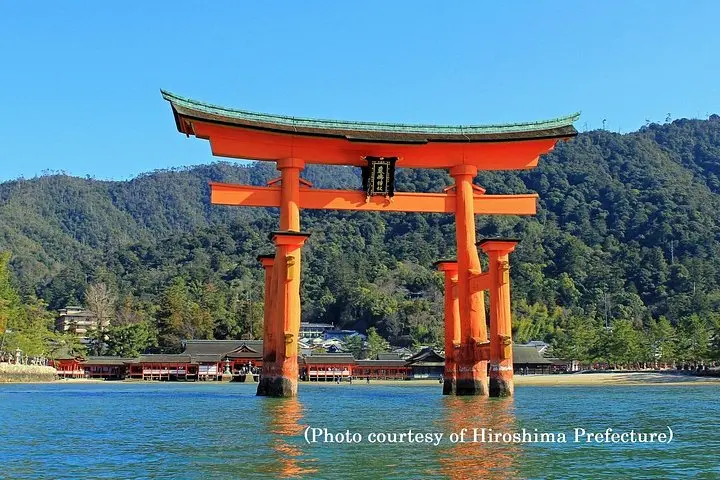
The tour begins on a crisp morning at Hotel Granvia Hiroshima; buses pull away and the city’s straight avenues give way to the soft blue of the Seto Inland Sea. By ferry the torii of Itsukushima appears like a stage set against the tidal flats, and the island’s deer—curious and unhurried—pad through the alleys as if guiding visitors toward the shrine.
The tour begins on a crisp morning at Hotel Granvia Hiroshima; buses pull away and the city’s straight avenues give way to the soft blue of the Seto Inland Sea. By ferry the torii of Itsukushima appears like a stage set against the tidal flats, and the island’s deer—curious and unhurried—pad through the alleys as if guiding visitors toward the shrine.
Itsukushima Shrine dates back centuries and its raised, lacquered pavilions reflect Heian-period court architecture. Across the water in Hiroshima, the Peace Memorial Park and the Atomic Bomb Dome are sober, direct reminders of 20th‑century history; the museum reopened in 2019 with updated exhibits that contextualize the bombing and post‑war recovery.
Geology here is gentle: volcanic islands and eroded headlands create sheltered channels that have shaped commerce and culture for generations. The island’s seafood traditions—oysters and grilled conger—are part of daily life; the main street near the ferry pier offers small shops and casual restaurants where lunch is unstructured and flexible.
Practically, expect an 8–9 hour outing with moderate walking on wooden boardwalks, stone steps, and paved streets. Lunch is not included; carry cash for small vendors. Travelers with a Japan Rail Pass should time their Shinkansen to reach Hotel Granvia’s 10:10 meeting time. The tour is suitable for most fitness levels but wear comfortable shoes and prepare for sudden coastal weather: a light rain shell and sun protection will keep the day focused on sights, not discomfort.