THE ADVENTURE COLLECTIVE® · Independent discovery and booking for outdoor travel

Spend a day moving from Hiroshima’s sober Peace Memorial Park to Miyajima’s iconic floating torii. This guided bus tour includes ferries and shrine admission for a focused cultural loop with practical stops for photos and reflection.
Spend a day moving from Hiroshima’s sober Peace Memorial Park to Miyajima’s iconic floating torii. This guided bus tour includes ferries and shrine admission for a focused cultural loop with practical stops for photos and reflection.
A gray-blue ferry cuts across the Seto Inland Sea and the Great Torii rises like a threshold between water and shrine — that image hangs in the mind of almost every visitor on the Full Day Hiroshima and Miyajima Bus Tour. The day begins on an air-conditioned coach, or for Kyoto and Osaka departures, aboard the Shinkansen to Hiroshima, setting a brisk tempo for a concentrated cultural loop.
Verified experiences and guided adventures in the surrounding area.
Operated by H.I.S.Co., Ltd. · Hiroshima, Hiroshima Prefecture
A gray-blue ferry cuts across the Seto Inland Sea and the Great Torii rises like a threshold between water and shrine — that image hangs in the mind of almost every visitor on the Full Day Hiroshima and Miyajima Bus Tour. The day begins on an air-conditioned coach, or for Kyoto and Osaka departures, aboard the Shinkansen to Hiroshima, setting a brisk tempo for a concentrated cultural loop.
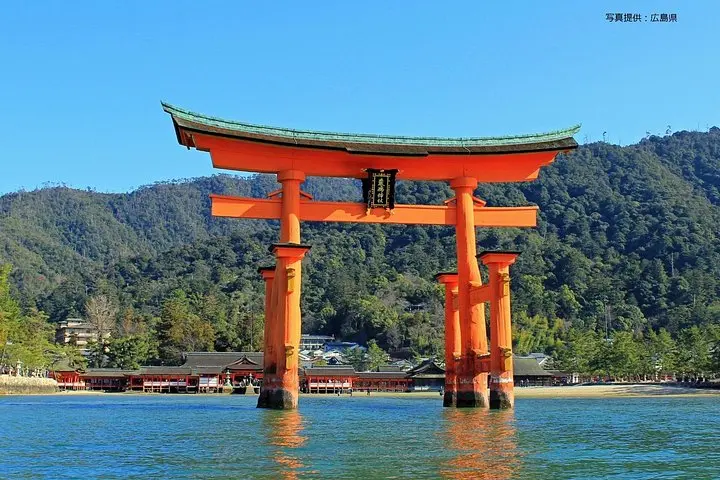
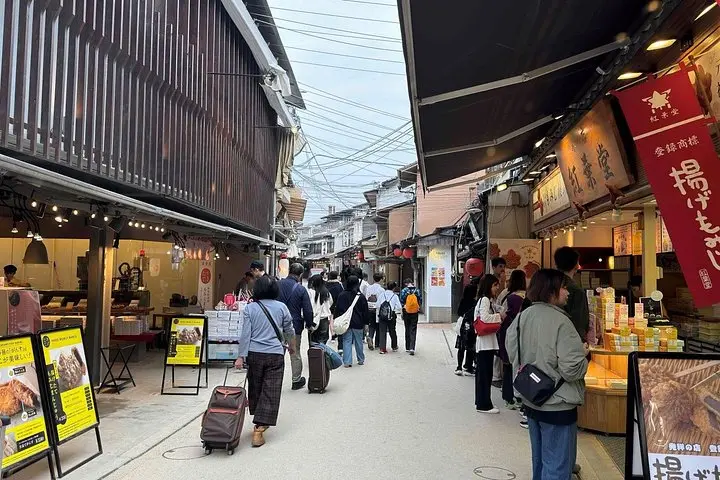
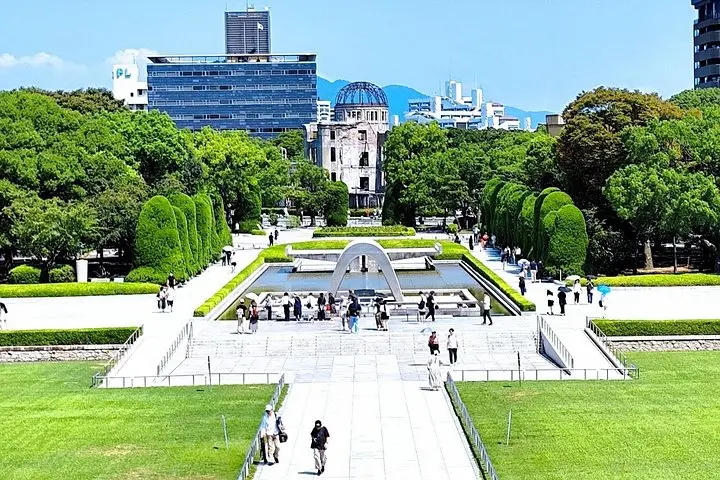
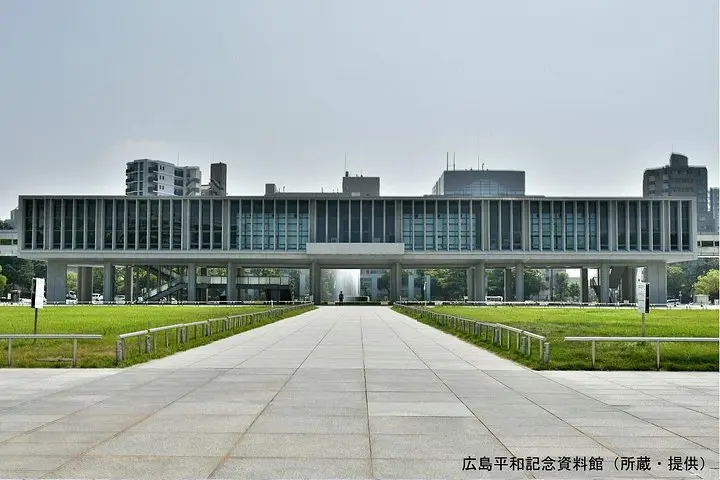
Hiroshima’s Peace Memorial Park sits on a flattened floodplain where the city rebuilt after 1945; the Atomic Bomb Dome and the museum document technological history and human cost in direct, factual displays. Across the water, Itsukushima on Miyajima Island presents a contrasting cultural landscape: a Shinto shrine built over tidal flats, vermilion gates that appear to float at high tide, and an Omotesando arcade that still sells grilled oysters and momiji manju.
Geology here is quiet — sheltered bays, volcanic island bedrock, and the slow rhythm of tides shaping sand and pier pilings. Culturally, the route stitches modern memory work in Hiroshima with centuries-old religious ritual on Miyajima.
Practical guidance: the itinerary typically allows 60 minutes at Itsukushima Shrine and 90 minutes in the Peace Museum, with ferry tickets and shrine admission included. Wear sturdy walking shoes, pack a light rain layer and water, and allot time for queues at popular viewpoints. If joining from Kyoto or Osaka, confirm Shinkansen ticket collection at the meeting point; staff assist to the platform but do not accompany you on the train. Expect a long but manageable day—bring charged devices and a calm schedule for reflection between photo stops.
No — the tour does not include lunch; you have about 90 minutes of free time on Miyajima to buy food along Omotesando Shopping Street.
Yes — round‑trip Shinkansen tickets are provided for the Kyoto and Osaka options and are handed out at the meeting point before departure.
Approximately 90 minutes are allocated for the Hiroshima Peace Memorial Museum, with another hour at the Atomic Bomb Dome and park areas.
The tour is generally suitable for most fitness levels but involves walking and stairs at shrine sites; it’s not recommended for those with serious spinal, heart, or limited mobility conditions.
H.I.S.Co., Ltd. operates guided outdoor trips and adventures with an emphasis on safety, stewardship, and memorable experiences.
A gray-blue ferry cuts across the Seto Inland Sea and the Great Torii rises like a threshold between water and shrine — that image hangs in the mind of almost every visitor on the Full Day Hiroshima and Miyajima Bus Tour. The day begins on an air-conditioned coach, or for Kyoto and Osaka departures, aboard the Shinkansen to Hiroshima, setting a brisk tempo for a concentrated cultural loop.
A gray-blue ferry cuts across the Seto Inland Sea and the Great Torii rises like a threshold between water and shrine — that image hangs in the mind of almost every visitor on the Full Day Hiroshima and Miyajima Bus Tour. The day begins on an air-conditioned coach, or for Kyoto and Osaka departures, aboard the Shinkansen to Hiroshima, setting a brisk tempo for a concentrated cultural loop.
Hiroshima’s Peace Memorial Park sits on a flattened floodplain where the city rebuilt after 1945; the Atomic Bomb Dome and the museum document technological history and human cost in direct, factual displays. Across the water, Itsukushima on Miyajima Island presents a contrasting cultural landscape: a Shinto shrine built over tidal flats, vermilion gates that appear to float at high tide, and an Omotesando arcade that still sells grilled oysters and momiji manju.
Geology here is quiet — sheltered bays, volcanic island bedrock, and the slow rhythm of tides shaping sand and pier pilings. Culturally, the route stitches modern memory work in Hiroshima with centuries-old religious ritual on Miyajima.
Practical guidance: the itinerary typically allows 60 minutes at Itsukushima Shrine and 90 minutes in the Peace Museum, with ferry tickets and shrine admission included. Wear sturdy walking shoes, pack a light rain layer and water, and allot time for queues at popular viewpoints. If joining from Kyoto or Osaka, confirm Shinkansen ticket collection at the meeting point; staff assist to the platform but do not accompany you on the train. Expect a long but manageable day—bring charged devices and a calm schedule for reflection between photo stops.