THE ADVENTURE COLLECTIVE® · Independent discovery and booking for outdoor travel

This private one-day tour from Kyoto or Osaka pairs the sobering history of Hiroshima’s Peace Memorial Park with the iconic, tide-kissed torii of Miyajima’s Itsukushima Shrine. Expect a full day of easy walks, ferry crossings, and cultural context led by a private English guide.
This private one-day tour from Kyoto or Osaka pairs the sobering history of Hiroshima’s Peace Memorial Park with the iconic, tide-kissed torii of Miyajima’s Itsukushima Shrine. Expect a full day of easy walks, ferry crossings, and cultural context led by a private English guide.
You step off the shinkansen into a city that rebuilt itself under a strict blue sky, the station’s glass reflecting a skyline that rises from the ashes of 1945.
Verified experiences and guided adventures in the surrounding area.
Operated by H.I.S.Co., Ltd. · Hiroshima, Hiroshima Prefecture
You step off the shinkansen into a city that rebuilt itself under a strict blue sky, the station’s glass reflecting a skyline that rises from the ashes of 1945.
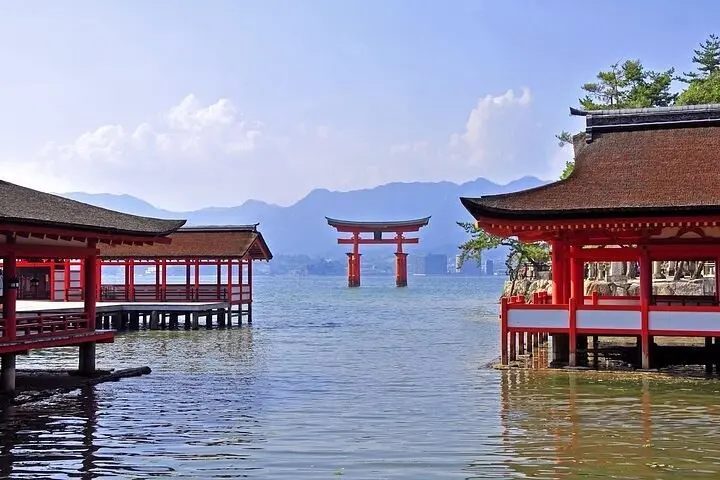
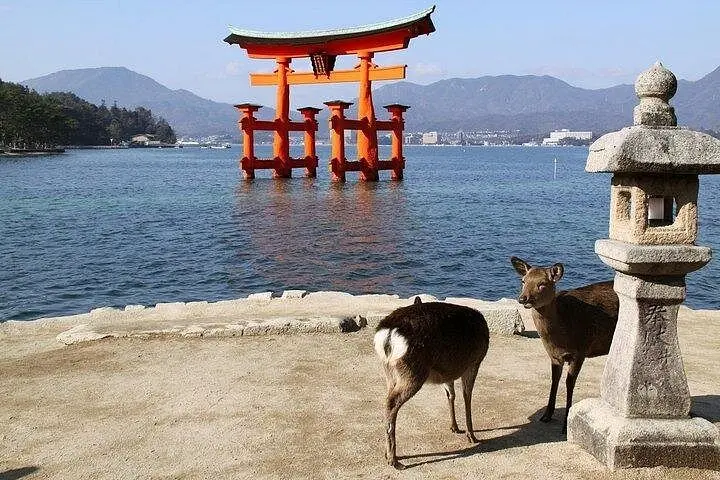
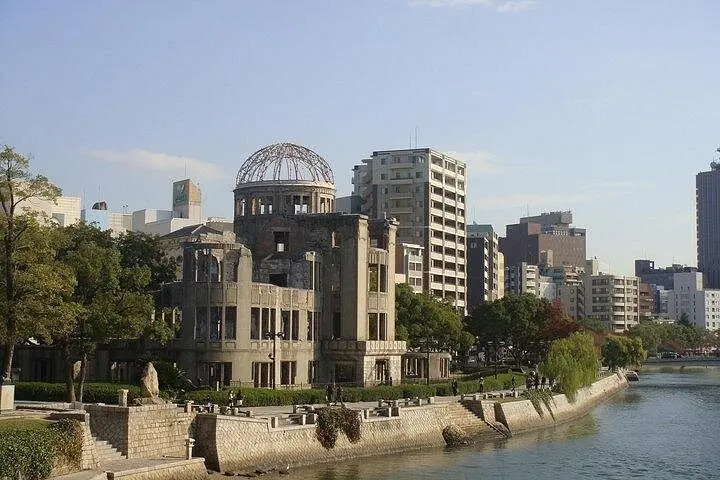
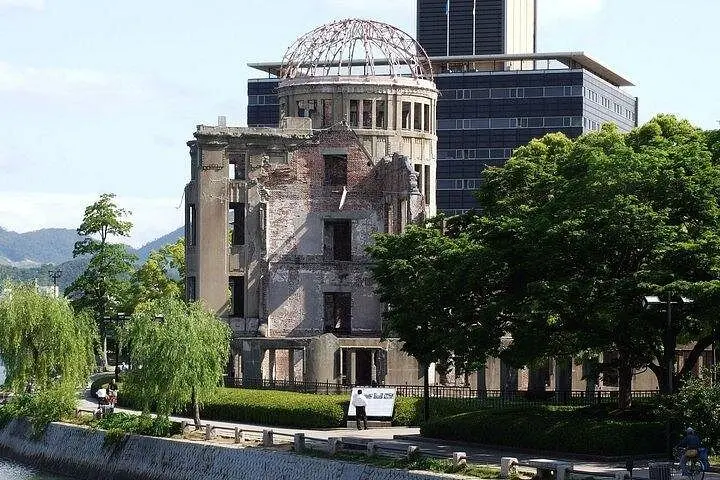
The day begins with Hiroshima's Peace Memorial Park — wide lawns and a low stone cenotaph that mark the point the bomb fell on August 6, 1945. The Atomic Bomb Dome still stands, a preserved ruin that frames the park’s quiet insistence on peace. A short drive and a ferry ride later, the sea narrows and Miyajima’s giant torii appears to float on high tide, its vermilion pillars set against Seto Inland Sea waters. Itsukushima Shrine’s boardwalks sit on pilings above the tide; a noh stage and lantern-lined paths trace centuries of Shinto ritual.
Geology here is gentle: the sheltered inland sea, volcanic island slopes and tidal flats create the conditions for both shrine architecture and seasonal bird and marine life. Culturally, Hiroshima pairs modern civic commitment to peace with local specialties — okonomiyaki in the city and maple-leaf-shaped sweets on Miyajima.
Practical guidance: the full private tour runs about 11–12 hours; expect several short walks on level boardwalks and paved park paths. Bring cash or an IC card for local vendors, check tide times to see the torii at high tide, and plan for long daylight days in summer or quieter evenings on Miyajima if you can stay later. Wear comfortable walking shoes and a light rain layer — weather can shift quickly over the inland sea. With a knowledgeable guide, this single day connects difficult history, living culture, and one of Japan’s most recognizable coastal views.
Yes — the tour offers a round-trip bullet train ticket (Kyoto/Shin-Osaka ⇔ Hiroshima) as part of the package unless you choose a public-transport plan.
Many areas visited, including parts of Peace Park and transport options, are wheelchair accessible; notify the operator in advance to confirm arrangements.
Guides can often adjust the schedule or skip stops, but any additional ticket or transport fees incurred on-site are payable by the guest.
High tide creates the classic floating effect; check local tide tables—morning or late afternoon high tides are common photo opportunities.
H.I.S.Co., Ltd. operates guided outdoor trips and adventures with an emphasis on safety, stewardship, and memorable experiences.
You step off the shinkansen into a city that rebuilt itself under a strict blue sky, the station’s glass reflecting a skyline that rises from the ashes of 1945.
You step off the shinkansen into a city that rebuilt itself under a strict blue sky, the station’s glass reflecting a skyline that rises from the ashes of 1945.
The day begins with Hiroshima's Peace Memorial Park — wide lawns and a low stone cenotaph that mark the point the bomb fell on August 6, 1945. The Atomic Bomb Dome still stands, a preserved ruin that frames the park’s quiet insistence on peace. A short drive and a ferry ride later, the sea narrows and Miyajima’s giant torii appears to float on high tide, its vermilion pillars set against Seto Inland Sea waters. Itsukushima Shrine’s boardwalks sit on pilings above the tide; a noh stage and lantern-lined paths trace centuries of Shinto ritual.
Geology here is gentle: the sheltered inland sea, volcanic island slopes and tidal flats create the conditions for both shrine architecture and seasonal bird and marine life. Culturally, Hiroshima pairs modern civic commitment to peace with local specialties — okonomiyaki in the city and maple-leaf-shaped sweets on Miyajima.
Practical guidance: the full private tour runs about 11–12 hours; expect several short walks on level boardwalks and paved park paths. Bring cash or an IC card for local vendors, check tide times to see the torii at high tide, and plan for long daylight days in summer or quieter evenings on Miyajima if you can stay later. Wear comfortable walking shoes and a light rain layer — weather can shift quickly over the inland sea. With a knowledgeable guide, this single day connects difficult history, living culture, and one of Japan’s most recognizable coastal views.