THE ADVENTURE COLLECTIVE® · Independent discovery and booking for outdoor travel

A private guided day that pairs Hiroshima’s Peace Memorial Park with Miyajima’s famed floating torii — a thoughtful mix of history, island scenery, and local flavors. Follow a guide through museums, shrines, and seaside streets with practical tips for getting the most from the day.
A private guided day that pairs Hiroshima’s Peace Memorial Park with Miyajima’s famed floating torii — a thoughtful mix of history, island scenery, and local flavors. Follow a guide through museums, shrines, and seaside streets with practical tips for getting the most from the day.
You step out of a tram into a wide, quiet park where the A‑Bomb Dome’s skeletal frame holds the noon light like a held breath. The guide moves with measured calm, leading you past stone monuments and the Peace Flame, each stop asking you to pause. Later, the ferry slips away from the quay and the Seto Inland Sea draws the island’s torii up from the water like an invitation — tides playing their part in the shrine’s drama.
Verified experiences and guided adventures in the surrounding area.
Operated by coco · Hiroshima, Hiroshima Prefecture
You step out of a tram into a wide, quiet park where the A‑Bomb Dome’s skeletal frame holds the noon light like a held breath. The guide moves with measured calm, leading you past stone monuments and the Peace Flame, each stop asking you to pause. Later, the ferry slips away from the quay and the Seto Inland Sea draws the island’s torii up from the water like an invitation — tides playing their part in the shrine’s drama.
Hiroshima’s city center carries two overlapping histories: a samurai-era castle and gardens that predate modern Japan, and the 20th‑century rupture of the atomic bombing, now interpreted at the Peace Memorial Museum and memorials across the park. Geologically, the Seto Inland Sea’s sheltered waters support island communities and a coastline of rocky inlets; Miyajima’s Mount Misen rises from that coastline with trails carved by pilgrims centuries ago.
Culturally, Itsukushima Shrine is Shinto place-making on stilts; local shops along Omotesando sell momiji manju and oysters that map the island’s food traditions. Expect friendly deer browsing street corners and a compact island where walking and a short cable‑car ride open panoramic views.
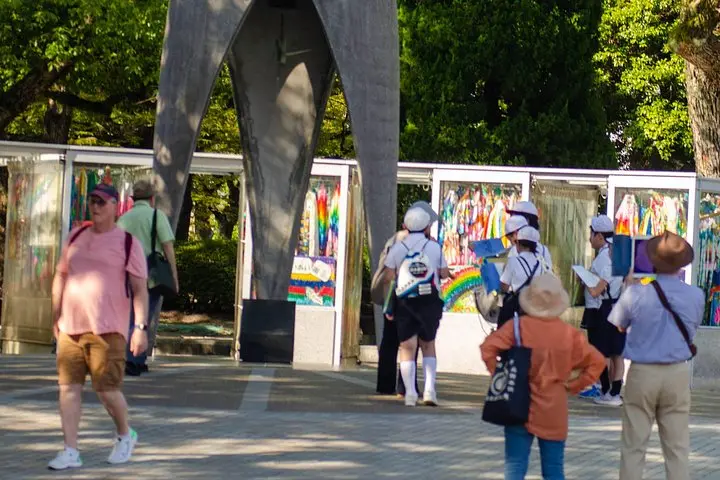
Practical guidance: this private tour runs 4–8 hours, uses trams and a ferry, and includes museum and shrine tickets. Wear comfortable, broken‑in shoes for uneven temple boards and castle steps; pack a lightweight rain jacket — weather on the Inland Sea can shift quickly. Carry cash for small vendors, leave time to ring the Peace Bell, and bring respectful curiosity: the sites invite reflection as much as sightseeing.
Yes — this tour lists tickets for the Peace Memorial Museum and Itsukushima Shrine as included in the itinerary.
The tour notes stroller accessibility and light walking; some sites have steps and uneven surfaces, so check in advance about specific mobility needs.
An English‑speaking guide is provided as part of the tour inclusions.
The tour uses public transport: tram to the ferry terminal and a short ferry ride to Miyajima; transfers are typically coordinated by the guide.
coco operates guided outdoor trips and adventures with an emphasis on safety, stewardship, and memorable experiences.
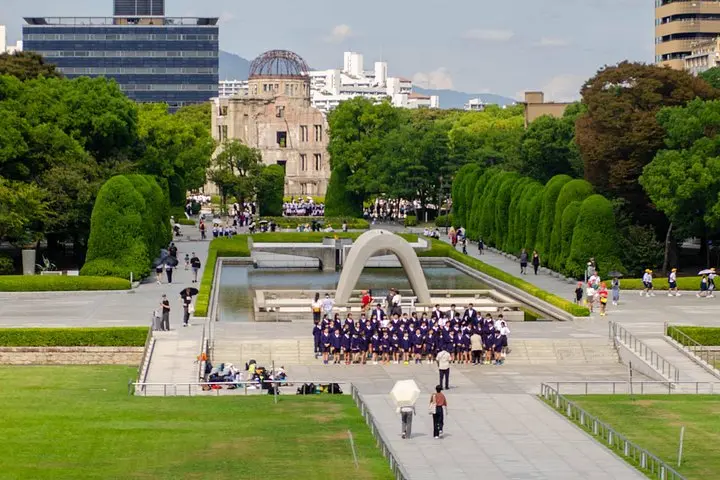
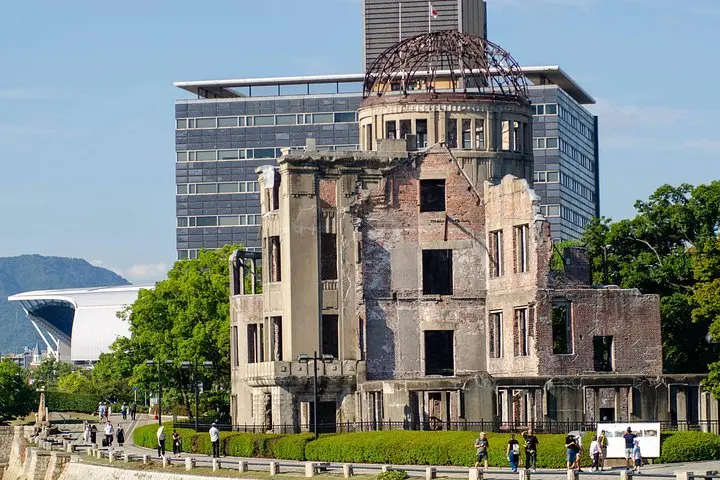
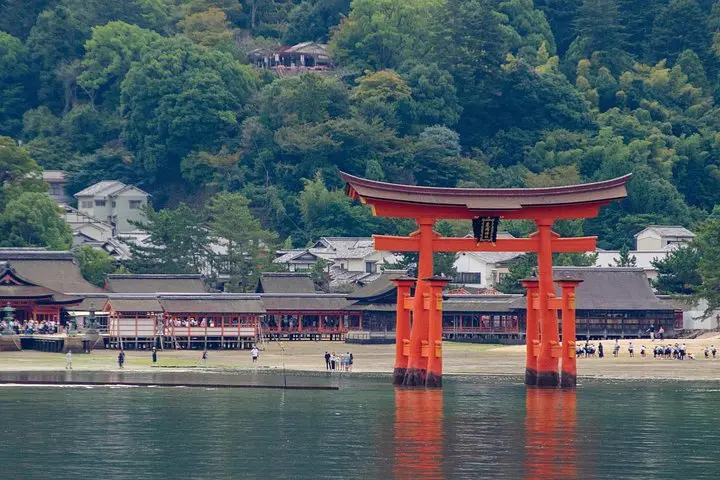
You step out of a tram into a wide, quiet park where the A‑Bomb Dome’s skeletal frame holds the noon light like a held breath. The guide moves with measured calm, leading you past stone monuments and the Peace Flame, each stop asking you to pause. Later, the ferry slips away from the quay and the Seto Inland Sea draws the island’s torii up from the water like an invitation — tides playing their part in the shrine’s drama.
You step out of a tram into a wide, quiet park where the A‑Bomb Dome’s skeletal frame holds the noon light like a held breath. The guide moves with measured calm, leading you past stone monuments and the Peace Flame, each stop asking you to pause. Later, the ferry slips away from the quay and the Seto Inland Sea draws the island’s torii up from the water like an invitation — tides playing their part in the shrine’s drama.
Hiroshima’s city center carries two overlapping histories: a samurai-era castle and gardens that predate modern Japan, and the 20th‑century rupture of the atomic bombing, now interpreted at the Peace Memorial Museum and memorials across the park. Geologically, the Seto Inland Sea’s sheltered waters support island communities and a coastline of rocky inlets; Miyajima’s Mount Misen rises from that coastline with trails carved by pilgrims centuries ago.
Culturally, Itsukushima Shrine is Shinto place-making on stilts; local shops along Omotesando sell momiji manju and oysters that map the island’s food traditions. Expect friendly deer browsing street corners and a compact island where walking and a short cable‑car ride open panoramic views.
Practical guidance: this private tour runs 4–8 hours, uses trams and a ferry, and includes museum and shrine tickets. Wear comfortable, broken‑in shoes for uneven temple boards and castle steps; pack a lightweight rain jacket — weather on the Inland Sea can shift quickly. Carry cash for small vendors, leave time to ring the Peace Bell, and bring respectful curiosity: the sites invite reflection as much as sightseeing.