THE ADVENTURE COLLECTIVE® · Independent discovery and booking for outdoor travel

High-speed travel meets reflective history on this private day trip to Hiroshima from Kyoto or Osaka. Visit the Peace Memorial Museum and Miyajima’s iconic floating torii with a licensed guide and efficient bullet-train logistics.
High-speed travel meets reflective history on this private day trip to Hiroshima from Kyoto or Osaka. Visit the Peace Memorial Museum and Miyajima’s iconic floating torii with a licensed guide and efficient bullet-train logistics.
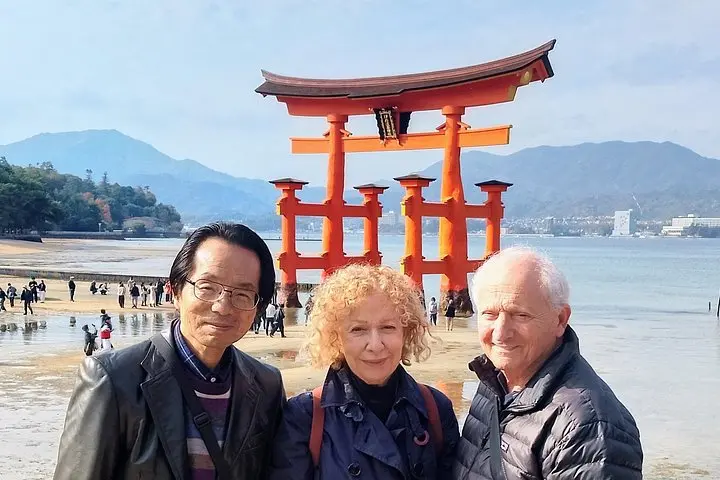
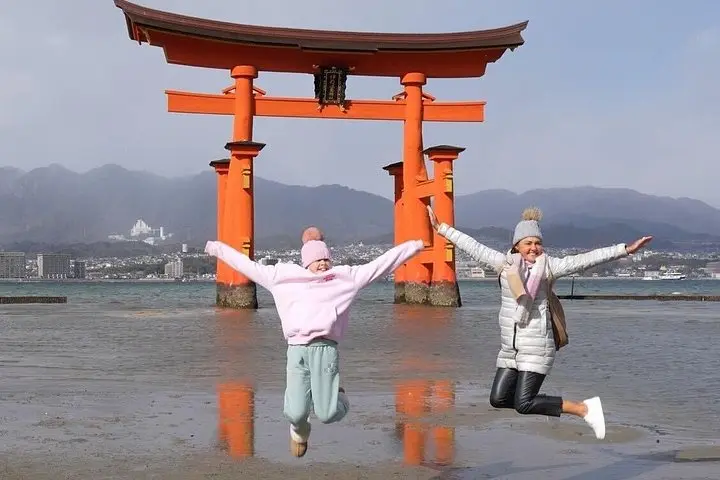
Steam of the shinkansen blurs rice paddies into ribbons as the train races west; within two hours the cityscape of Hiroshima arrives with a quieter tempo, low hills and a wide inland sea. Visitors meet a National Licensed Guide Interpreter and move from platform to ferry, trading speed for stillness as Miyajima’s torii appears to float on the bay.
Verified experiences and guided adventures in the surrounding area.
Operated by MY Travel Consulting · Hiroshima, Hiroshima Prefecture
Steam of the shinkansen blurs rice paddies into ribbons as the train races west; within two hours the cityscape of Hiroshima arrives with a quieter tempo, low hills and a wide inland sea. Visitors meet a National Licensed Guide Interpreter and move from platform to ferry, trading speed for stillness as Miyajima’s torii appears to float on the bay.
Hiroshima holds a layered history: a medieval port and a modern city reshaped by the atomic bombing of August 6, 1945. Geologically, the Seto Inland Sea carved calm channels and sheltered islands like Itsukushima, where tidal shifts give the shrine its “floating” quality. Culturally, Shinto rituals at Itsukushima Shrine and the minimalist memorial architecture in Peace Park sit side by side—both asking for quiet attention.
Expect a day of focused walking and short transfers: a museum visit that contextualizes wartime events, a paced stroll to the Atomic Bomb Dome, then a ferry to Miyajima with time for Itsukushima Shrine and coastal views. Guides typically adapt the schedule to your interests and tempo.
Practical guidance: book morning bullet trains to maximize daylight, wear comfortable shoes for uneven boardwalks and stone steps, and carry a small daypack with water and weather layers. Ferries run frequently but can be crowded at peak season—plan for modest queues. This is a long day but one that pairs historical gravity with the elemental presence of sea and shrine, leaving travelers informed and grounded.
Shinkansen travel time is about 1 hour 45 minutes from Kyoto and 1 hour 20 minutes from Osaka to Hiroshima on a Nozomi or similar service.
Yes; the itinerary includes admission to the Hiroshima Peace Memorial Museum as listed in the tour inclusions.
Yes; the operator can accommodate vegetarian, vegan, and gluten-free requests if indicated at booking.
The schedule includes time to explore Itsukushima Shrine and the waterfront independently, though total time on the island is limited by the day-trip window.
MY Travel Consulting operates guided outdoor trips and adventures with an emphasis on safety, stewardship, and memorable experiences.
Steam of the shinkansen blurs rice paddies into ribbons as the train races west; within two hours the cityscape of Hiroshima arrives with a quieter tempo, low hills and a wide inland sea. Visitors meet a National Licensed Guide Interpreter and move from platform to ferry, trading speed for stillness as Miyajima’s torii appears to float on the bay.
Steam of the shinkansen blurs rice paddies into ribbons as the train races west; within two hours the cityscape of Hiroshima arrives with a quieter tempo, low hills and a wide inland sea. Visitors meet a National Licensed Guide Interpreter and move from platform to ferry, trading speed for stillness as Miyajima’s torii appears to float on the bay.
Hiroshima holds a layered history: a medieval port and a modern city reshaped by the atomic bombing of August 6, 1945. Geologically, the Seto Inland Sea carved calm channels and sheltered islands like Itsukushima, where tidal shifts give the shrine its “floating” quality. Culturally, Shinto rituals at Itsukushima Shrine and the minimalist memorial architecture in Peace Park sit side by side—both asking for quiet attention.
Expect a day of focused walking and short transfers: a museum visit that contextualizes wartime events, a paced stroll to the Atomic Bomb Dome, then a ferry to Miyajima with time for Itsukushima Shrine and coastal views. Guides typically adapt the schedule to your interests and tempo.
Practical guidance: book morning bullet trains to maximize daylight, wear comfortable shoes for uneven boardwalks and stone steps, and carry a small daypack with water and weather layers. Ferries run frequently but can be crowded at peak season—plan for modest queues. This is a long day but one that pairs historical gravity with the elemental presence of sea and shrine, leaving travelers informed and grounded.