THE ADVENTURE COLLECTIVE® · Independent discovery and booking for outdoor travel

Beat the crowds and feel the city’s early stillness on a private English‑led walking tour of Hiroshima’s Peace Memorial Park and castle. This five‑hour morning itinerary pairs historical depth with practical transit tips and small‑group pacing.
Beat the crowds and feel the city’s early stillness on a private English‑led walking tour of Hiroshima’s Peace Memorial Park and castle. This five‑hour morning itinerary pairs historical depth with practical transit tips and small‑group pacing.
The city wakes in soft light along the Motoyasu River; streets are quiet, shop shutters still down and the concrete skeleton of the A‑Bomb Dome stands in stark silhouette against the pale sky. On this early morning private tour, an English‑speaking guide leads a small group through Hiroshima’s most resonant sites before the midday crowds arrive, giving the city a measured, reflective pace.
Verified experiences and guided adventures in the surrounding area.
Operated by GuideMe Japan · Hiroshima, Hiroshima Prefecture
The city wakes in soft light along the Motoyasu River; streets are quiet, shop shutters still down and the concrete skeleton of the A‑Bomb Dome stands in stark silhouette against the pale sky. On this early morning private tour, an English‑speaking guide leads a small group through Hiroshima’s most resonant sites before the midday crowds arrive, giving the city a measured, reflective pace.
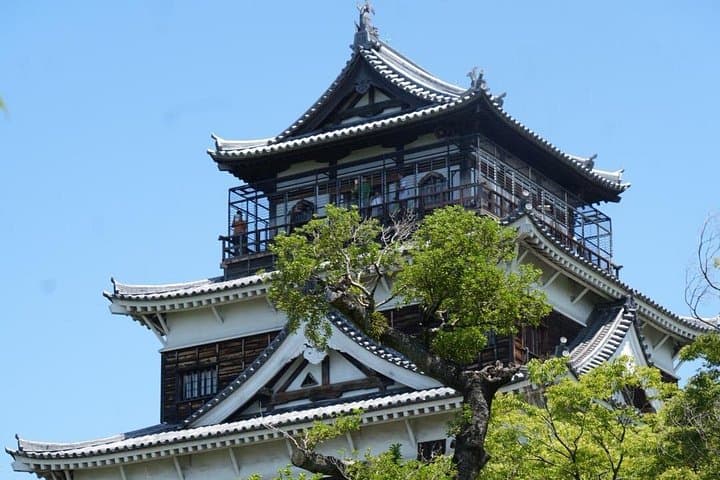
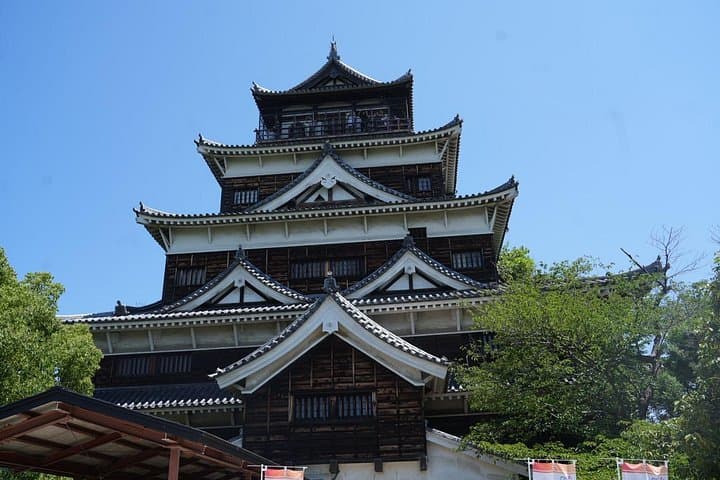
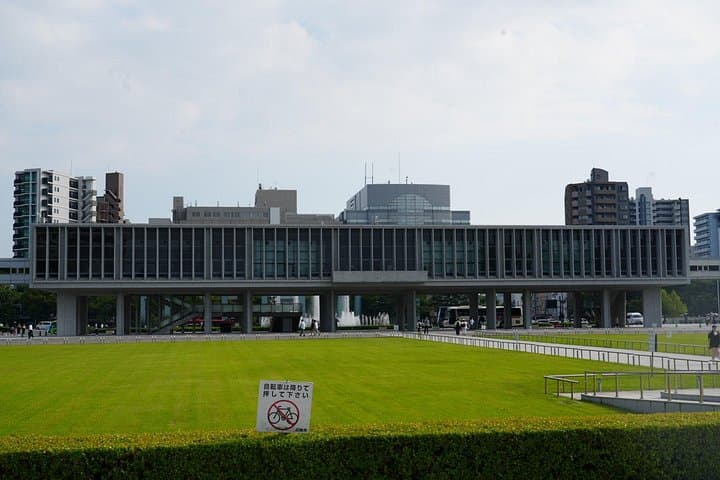
You’ll move from the Peace Memorial Museum — where survivor testimonies and relics make history immediate — to the Children’s Peace Monument, and across lawns where memorial plaques invite quiet contemplation. The tour finishes with Hiroshima Castle, a reconstructed keep that sits on an Edo‑period footprint and offers a different angle on the city’s layered past. Geologically, Hiroshima is built on an alluvial plain fed by short rivers that run fast to the Seto Inland Sea; the landscape explains the city’s compact development and the strategic placement of its old castle.
Culturally, the morning rhythm complements Hiroshima’s contemporary character: polite, purposeful, and centered on remembrance and rebuilding. Guides typically show how to use local transit cards and point out where to try hearty Hiroshima‑style okonomiyaki later.
Practical edge: expect about five hours on foot with short, flat walks between stops, some museum stairs and standing. Group size is capped (small private groups), and the itinerary includes admission to the Peace Museum and Hiroshima Castle. Bring water, wear comfortable shoes, and allow time afterward to explore the city center or catch a ferry to Miyajima if your schedule permits.
Yes — the tour listing includes admission to the Peace Memorial Museum and Hiroshima Castle as part of the itinerary.
Options focus on early‑morning departures to avoid crowds; the tour runs about five hours total.
The tour is rated easy and generally suitable for all ages, but it’s not recommended for those with serious heart or spinal conditions; some standing and stairs are required.
Groups are private and capped at a small number (commonly up to eight), offering a quieter, more personalized experience.
GuideMe Japan operates guided outdoor trips and adventures with an emphasis on safety, stewardship, and memorable experiences.
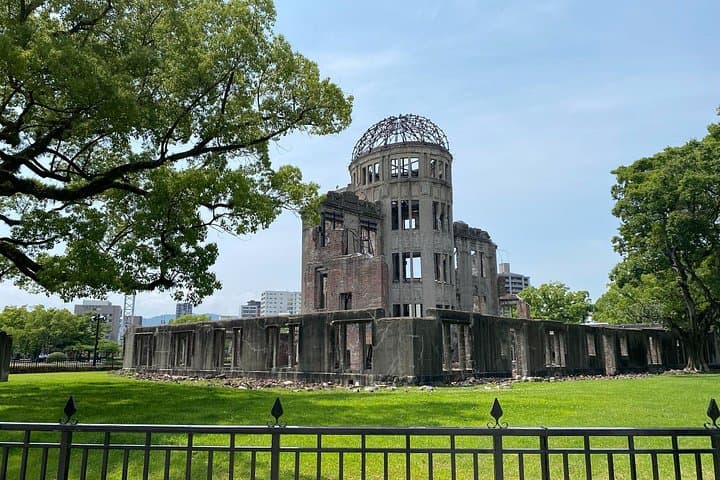
The city wakes in soft light along the Motoyasu River; streets are quiet, shop shutters still down and the concrete skeleton of the A‑Bomb Dome stands in stark silhouette against the pale sky. On this early morning private tour, an English‑speaking guide leads a small group through Hiroshima’s most resonant sites before the midday crowds arrive, giving the city a measured, reflective pace.
The city wakes in soft light along the Motoyasu River; streets are quiet, shop shutters still down and the concrete skeleton of the A‑Bomb Dome stands in stark silhouette against the pale sky. On this early morning private tour, an English‑speaking guide leads a small group through Hiroshima’s most resonant sites before the midday crowds arrive, giving the city a measured, reflective pace.
You’ll move from the Peace Memorial Museum — where survivor testimonies and relics make history immediate — to the Children’s Peace Monument, and across lawns where memorial plaques invite quiet contemplation. The tour finishes with Hiroshima Castle, a reconstructed keep that sits on an Edo‑period footprint and offers a different angle on the city’s layered past. Geologically, Hiroshima is built on an alluvial plain fed by short rivers that run fast to the Seto Inland Sea; the landscape explains the city’s compact development and the strategic placement of its old castle.
Culturally, the morning rhythm complements Hiroshima’s contemporary character: polite, purposeful, and centered on remembrance and rebuilding. Guides typically show how to use local transit cards and point out where to try hearty Hiroshima‑style okonomiyaki later.
Practical edge: expect about five hours on foot with short, flat walks between stops, some museum stairs and standing. Group size is capped (small private groups), and the itinerary includes admission to the Peace Museum and Hiroshima Castle. Bring water, wear comfortable shoes, and allow time afterward to explore the city center or catch a ferry to Miyajima if your schedule permits.