THE ADVENTURE COLLECTIVE® · Independent discovery and booking for outdoor travel

See Hiroshima’s highlights in one private day: Miyajima’s floating torii, the Peace Memorial Park and A‑Bomb Dome, and Hiroshima Castle. This tour mixes cultural sites with waterfront scenery and local food stops.
See Hiroshima’s highlights in one private day: Miyajima’s floating torii, the Peace Memorial Park and A‑Bomb Dome, and Hiroshima Castle. This tour mixes cultural sites with waterfront scenery and local food stops.
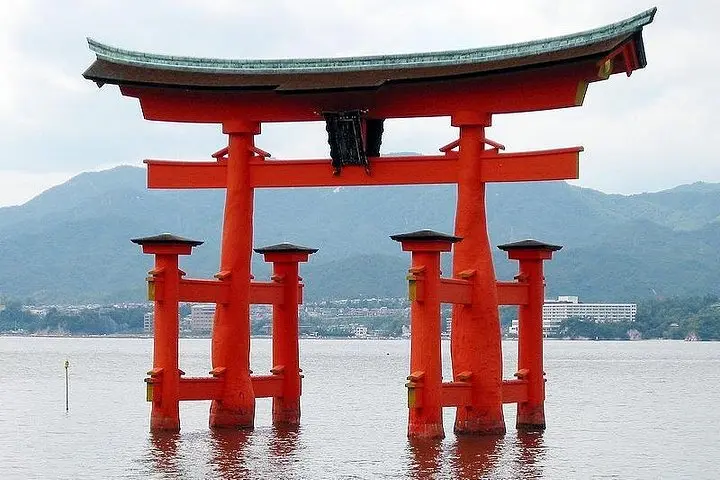
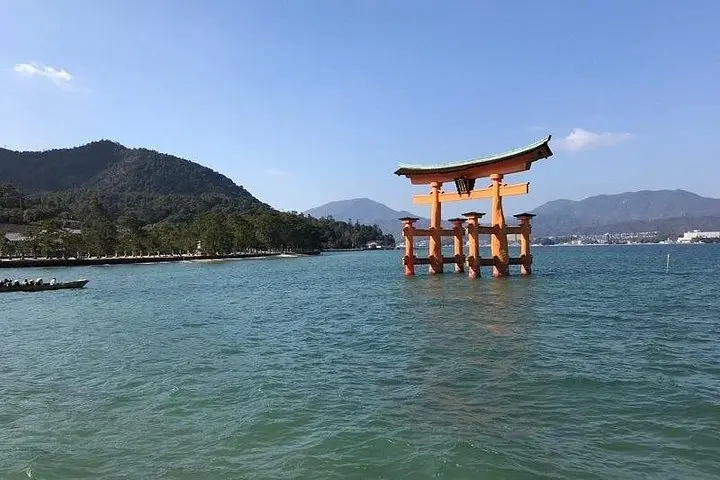
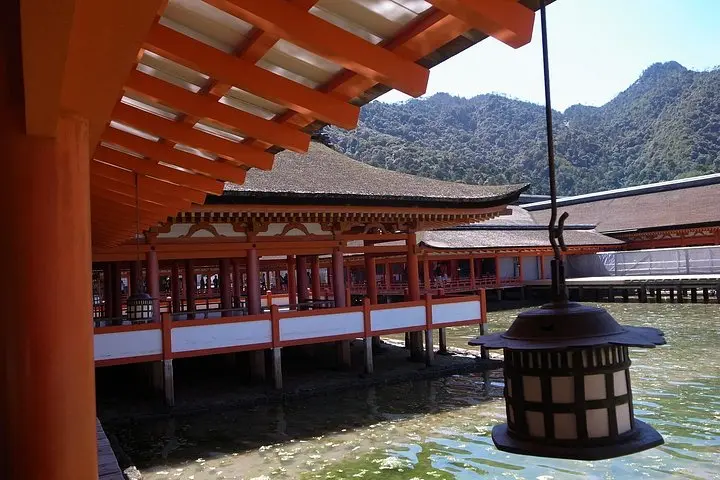
Stepping out of your car onto the quay, the low tide slips away and the vermilion torii at Itsukushima seems to float—an elegant gate polishing the view of Seto Inland Sea. Your private driver guides you between salt air and city streets, ferrying you across water that pushes gently at the island’s wooden piers.
Verified experiences and guided adventures in the surrounding area.
Operated by Japan Oriental Tours · Hiroshima, Hiroshima Prefecture
Stepping out of your car onto the quay, the low tide slips away and the vermilion torii at Itsukushima seems to float—an elegant gate polishing the view of Seto Inland Sea. Your private driver guides you between salt air and city streets, ferrying you across water that pushes gently at the island’s wooden piers.
This full-day route stitches together eras: Shinto ritual at Itsukushima Shrine, samurai-era stonework at Hiroshima Castle, and the quiet gravity of Peace Memorial Park and the A‑Bomb Dome. Geologically, the Seto Inland Sea’s sheltered channels helped shape Miyajima’s shallow tidal flats and the small, steep islands that frame western Honshu. Culturally, Hiroshima balances reconstruction-era resilience with a living food scene—try local okonomiyaki in aerated, savory layers along Hondori shopping street.
Expect history that asks for attention and landscape that rewards slow viewing. The itinerary typically includes ferry time to Miyajima, a museum visit at the Peace Memorial, photo stops outside the castle, and lunch time to explore local flavors (meals not included).
Practical guidance: comfortable walking shoes and a light rain shell make the day easier—streets and shrine boardwalks are mostly paved but require steady footing. If you prefer a quieter visit, aim for early morning ferries to Miyajima; afternoons bring tour groups. The private format (max four guests) gives flexibility for mobility needs and photo timing. Bring cash for small shops and shrine offerings, and allow roughly six hours for transit, visits, and a relaxed lunch.
Yes—private hotel pickup and drop-off in central Hiroshima are included; specific pickup times are confirmed after booking.
The itinerary shows admission included for specific sites (such as the Peace Memorial Museum and select attractions); confirm at booking which entrance fees are covered.
Maximum group size is four travelers, making the tour private and easier to tailor to mobility or photography needs.
The policy allows cancellation for bad weather; the operator may reschedule or offer a refund if conditions make visits unsafe.
Japan Oriental Tours operates guided outdoor trips and adventures with an emphasis on safety, stewardship, and memorable experiences.
Stepping out of your car onto the quay, the low tide slips away and the vermilion torii at Itsukushima seems to float—an elegant gate polishing the view of Seto Inland Sea. Your private driver guides you between salt air and city streets, ferrying you across water that pushes gently at the island’s wooden piers.
Stepping out of your car onto the quay, the low tide slips away and the vermilion torii at Itsukushima seems to float—an elegant gate polishing the view of Seto Inland Sea. Your private driver guides you between salt air and city streets, ferrying you across water that pushes gently at the island’s wooden piers.
This full-day route stitches together eras: Shinto ritual at Itsukushima Shrine, samurai-era stonework at Hiroshima Castle, and the quiet gravity of Peace Memorial Park and the A‑Bomb Dome. Geologically, the Seto Inland Sea’s sheltered channels helped shape Miyajima’s shallow tidal flats and the small, steep islands that frame western Honshu. Culturally, Hiroshima balances reconstruction-era resilience with a living food scene—try local okonomiyaki in aerated, savory layers along Hondori shopping street.
Expect history that asks for attention and landscape that rewards slow viewing. The itinerary typically includes ferry time to Miyajima, a museum visit at the Peace Memorial, photo stops outside the castle, and lunch time to explore local flavors (meals not included).
Practical guidance: comfortable walking shoes and a light rain shell make the day easier—streets and shrine boardwalks are mostly paved but require steady footing. If you prefer a quieter visit, aim for early morning ferries to Miyajima; afternoons bring tour groups. The private format (max four guests) gives flexibility for mobility needs and photo timing. Bring cash for small shops and shrine offerings, and allow roughly six hours for transit, visits, and a relaxed lunch.