THE ADVENTURE COLLECTIVE® · Independent discovery and booking for outdoor travel

A compact day tour that pairs Miyajima’s sea-swept Itsukushima Shrine with Hiroshima’s Peace Memorial Park. Expect ferry crossings, shrine corridors, local food stalls, and poignant museum exhibits in a 6–7 hour guided loop.
A compact day tour that pairs Miyajima’s sea-swept Itsukushima Shrine with Hiroshima’s Peace Memorial Park. Expect ferry crossings, shrine corridors, local food stalls, and poignant museum exhibits in a 6–7 hour guided loop.
Stand on Hiroshima Station’s south exit and the day unfurls: a short train ride, a ferry crossing the calm Seto Inland Sea, and then the vermilion torii of Itsukushima rising like a marker between water and sky. The ferry’s wake nudges the shoreline while Omotesando’s wooden stalls hum with the smell of grilled oysters and sweet momiji manju.
Verified experiences and guided adventures in the surrounding area.
Operated by Hiroshima Adventures · Hiroshima, Hiroshima Prefecture
Stand on Hiroshima Station’s south exit and the day unfurls: a short train ride, a ferry crossing the calm Seto Inland Sea, and then the vermilion torii of Itsukushima rising like a marker between water and sky. The ferry’s wake nudges the shoreline while Omotesando’s wooden stalls hum with the smell of grilled oysters and sweet momiji manju.
This route threads two distinct histories. Miyajima’s Itsukushima Shrine dates back over a millennium; its elevated corridors and sea-sliced torii reflect Shinto reverence for tides and mountain spirits. Back in the city, the Atomic Bomb Dome and Peace Memorial Park confront 20th-century warfare—raw architecture preserved to instruct and to mourn. Geologically, the island’s granite spine feeds short coastal ridges and offers sweeping views of the Inland Sea’s quiet channels.
Cultural notes: Miyajima’s deer are habituated to people and often weave through shoppers; local food centers on oysters and confections shaped like maple leaves. The Peace Museum uses personal testimonies and artifacts to explain the human cost and the postwar movement for nuclear disarmament.
Practical guidance: meet at Hiroshima Station’s South Exit; the full itinerary runs about 6–7 hours. Bring cash or an IC card for small purchases, check tide times if you want low-tide photos of the torii, and allow time for reflective pauses at memorials. Comfortable walking shoes, a light rain shell, and a charged phone will keep the day moving—this is a walking-forward cultural itinerary with quiet moments that demand attention as much as curiosity.
Yes — the tour’s logistics cover the scheduled ferry crossing between Hiroshima and Miyajima as part of the guided itinerary.
Expect several kilometers of mostly easy walking on flat, paved paths and shrine boardwalks; there are short stair sections but no technical hiking.
Admission fees listed in the itinerary (Itsukushima Shrine and the Hiroshima Peace Memorial Museum) are included in the tour price.
Photography rules vary: the shrine areas are generally photo-friendly, but the museum restricts photography in some exhibit spaces—follow posted signs and guide instructions.
Hiroshima Adventures operates guided outdoor trips and adventures with an emphasis on safety, stewardship, and memorable experiences.
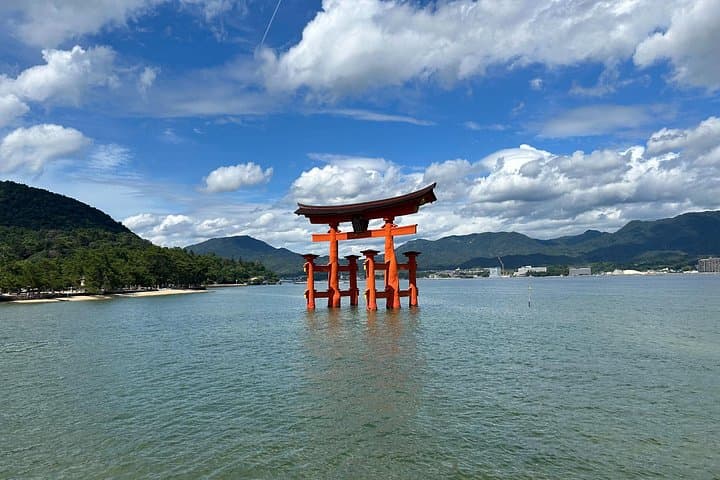
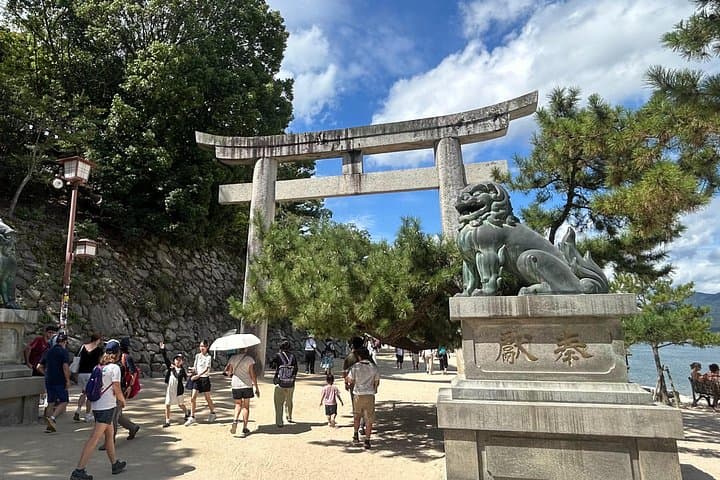
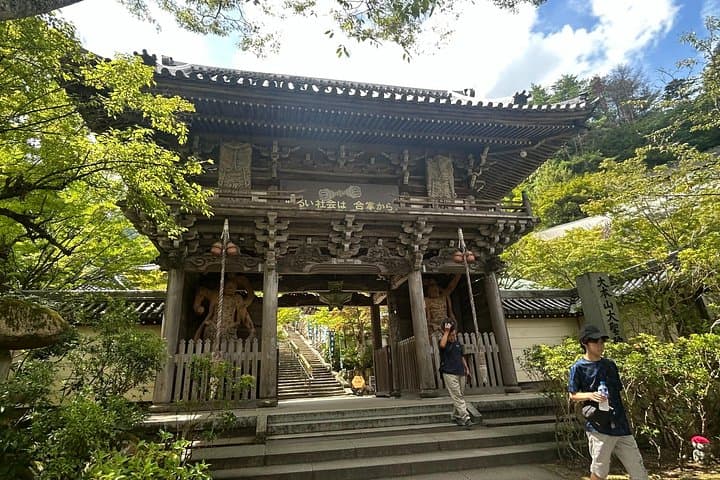
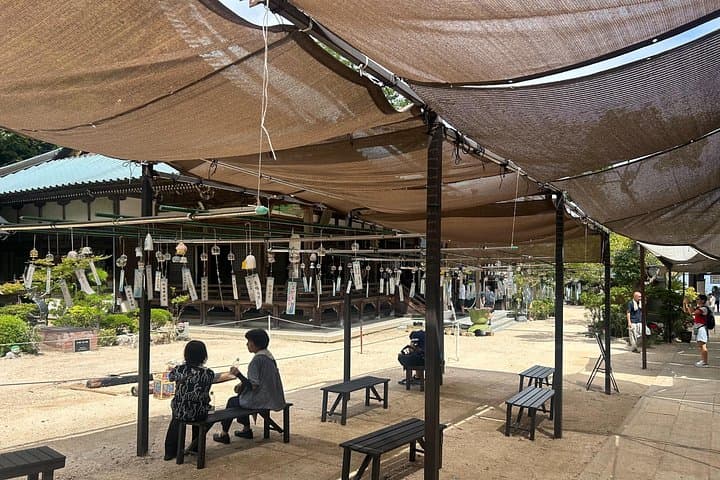
Stand on Hiroshima Station’s south exit and the day unfurls: a short train ride, a ferry crossing the calm Seto Inland Sea, and then the vermilion torii of Itsukushima rising like a marker between water and sky. The ferry’s wake nudges the shoreline while Omotesando’s wooden stalls hum with the smell of grilled oysters and sweet momiji manju.
Stand on Hiroshima Station’s south exit and the day unfurls: a short train ride, a ferry crossing the calm Seto Inland Sea, and then the vermilion torii of Itsukushima rising like a marker between water and sky. The ferry’s wake nudges the shoreline while Omotesando’s wooden stalls hum with the smell of grilled oysters and sweet momiji manju.
This route threads two distinct histories. Miyajima’s Itsukushima Shrine dates back over a millennium; its elevated corridors and sea-sliced torii reflect Shinto reverence for tides and mountain spirits. Back in the city, the Atomic Bomb Dome and Peace Memorial Park confront 20th-century warfare—raw architecture preserved to instruct and to mourn. Geologically, the island’s granite spine feeds short coastal ridges and offers sweeping views of the Inland Sea’s quiet channels.
Cultural notes: Miyajima’s deer are habituated to people and often weave through shoppers; local food centers on oysters and confections shaped like maple leaves. The Peace Museum uses personal testimonies and artifacts to explain the human cost and the postwar movement for nuclear disarmament.
Practical guidance: meet at Hiroshima Station’s South Exit; the full itinerary runs about 6–7 hours. Bring cash or an IC card for small purchases, check tide times if you want low-tide photos of the torii, and allow time for reflective pauses at memorials. Comfortable walking shoes, a light rain shell, and a charged phone will keep the day moving—this is a walking-forward cultural itinerary with quiet moments that demand attention as much as curiosity.