THE ADVENTURE COLLECTIVE® · Independent discovery and booking for outdoor travel

A private, eight‑hour storytelling tour that pairs Hiroshima’s Peace Memorial Park with Miyajima’s Itsukushima Shrine. Expect museum depth, seaside culture, and a measured walk through modern history and island rituals.
A private, eight‑hour storytelling tour that pairs Hiroshima’s Peace Memorial Park with Miyajima’s Itsukushima Shrine. Expect museum depth, seaside culture, and a measured walk through modern history and island rituals.
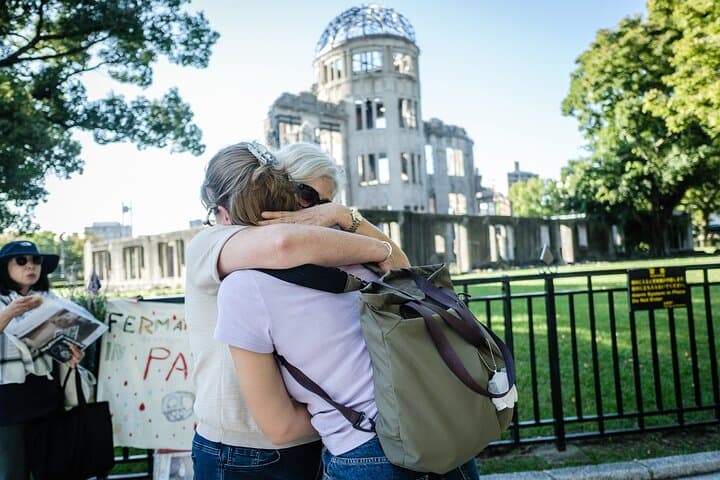
Stand at the foot of Orizuru Tower and the city opens like a page—river channels cutting through blocks of glass and concrete, the skeletal curve of the A‑Bomb Dome framing a sky that witnesses both loss and recovery.
Verified experiences and guided adventures in the surrounding area.
Operated by Alex · Hiroshima, Hiroshima Prefecture
Stand at the foot of Orizuru Tower and the city opens like a page—river channels cutting through blocks of glass and concrete, the skeletal curve of the A‑Bomb Dome framing a sky that witnesses both loss and recovery.
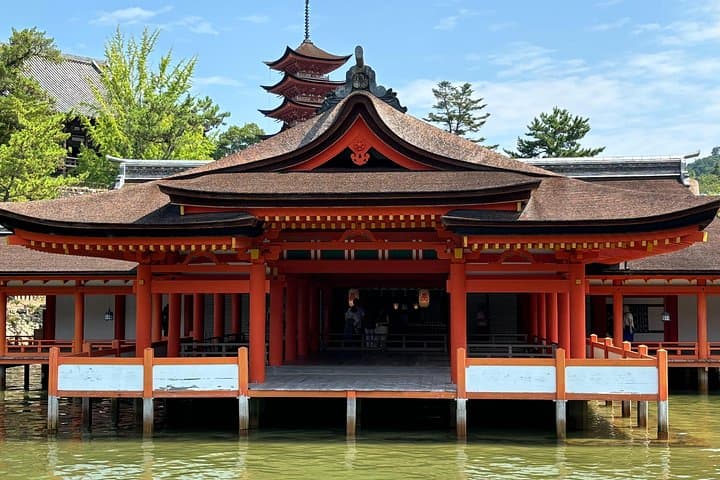
This eight‑hour private storytelling tour moves from Hiroshima’s Peace Memorial Park—where the atomic bombing of August 6, 1945 is interpreted through artifacts, survivor testimony, and the museum’s stark displays—out to Miyajima, the island whose forested slopes and tide‑kissed Itsukushima Shrine have been a sacred place for centuries. The Seto Inland Sea sculpts the coastline: low islands, shallow channels, and a benign tidal rhythm that makes the shrine’s torii appear to float at high tide. Culture here is tactile—paper cranes folded for memorials, the clang of temple bells, the polite bow of vendors selling oysters and momiji manju.
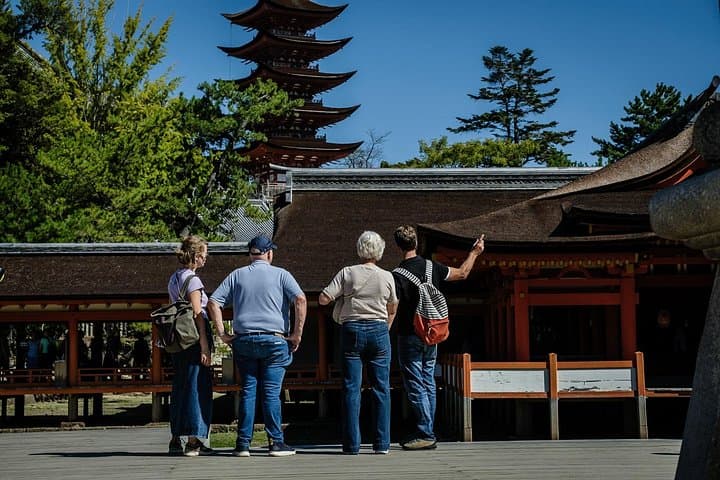
Expect walking tours across paved memorial paths and stone shrine approaches; later, quieter lanes on Miyajima where tame sika deer weave among visitors. The optional climb to Mount Misen offers roughly 90–180 minutes of uphill trail and about 400–600 m of elevation gain if you choose the hike for panoramic views.
Practical note: the Hiroshima–Miyajima transit (train plus ferry) takes about an hour each way; bring cash for small purchases, allow time for museum admission, and dress for humidity or sudden rain depending on season. Start early to avoid midday crowds at the torii, set aside time for reflection at the Peace Park, and be prepared to move at a contemplative pace—this is a day that balances history, culture, coastline and quiet.
Most guided tours do not include public museum or ferry fees; expect a small admission for the Hiroshima Peace Memorial Museum and standard ferry fare to Miyajima.
Plan for several kilometers of walking across flat memorial paths and paved island lanes; adding the Mount Misen hike increases uphill walking and time by 1.5–3 hours.
Peace Memorial Park and much of Itsukushima Shrine are accessible, but some areas and the Mount Misen trails include steps and uneven surfaces—discuss mobility needs with the guide in advance.
Yes—private tours often offer pickup from accommodations on request; confirm pickup details when booking so timing and meeting points are coordinated.
Alex operates guided outdoor trips and adventures with an emphasis on safety, stewardship, and memorable experiences.
Stand at the foot of Orizuru Tower and the city opens like a page—river channels cutting through blocks of glass and concrete, the skeletal curve of the A‑Bomb Dome framing a sky that witnesses both loss and recovery.
Stand at the foot of Orizuru Tower and the city opens like a page—river channels cutting through blocks of glass and concrete, the skeletal curve of the A‑Bomb Dome framing a sky that witnesses both loss and recovery.
This eight‑hour private storytelling tour moves from Hiroshima’s Peace Memorial Park—where the atomic bombing of August 6, 1945 is interpreted through artifacts, survivor testimony, and the museum’s stark displays—out to Miyajima, the island whose forested slopes and tide‑kissed Itsukushima Shrine have been a sacred place for centuries. The Seto Inland Sea sculpts the coastline: low islands, shallow channels, and a benign tidal rhythm that makes the shrine’s torii appear to float at high tide. Culture here is tactile—paper cranes folded for memorials, the clang of temple bells, the polite bow of vendors selling oysters and momiji manju.
Expect walking tours across paved memorial paths and stone shrine approaches; later, quieter lanes on Miyajima where tame sika deer weave among visitors. The optional climb to Mount Misen offers roughly 90–180 minutes of uphill trail and about 400–600 m of elevation gain if you choose the hike for panoramic views.
Practical note: the Hiroshima–Miyajima transit (train plus ferry) takes about an hour each way; bring cash for small purchases, allow time for museum admission, and dress for humidity or sudden rain depending on season. Start early to avoid midday crowds at the torii, set aside time for reflection at the Peace Park, and be prepared to move at a contemplative pace—this is a day that balances history, culture, coastline and quiet.